Bicycle Touring in Mexico: Chiapas and Oaxaca
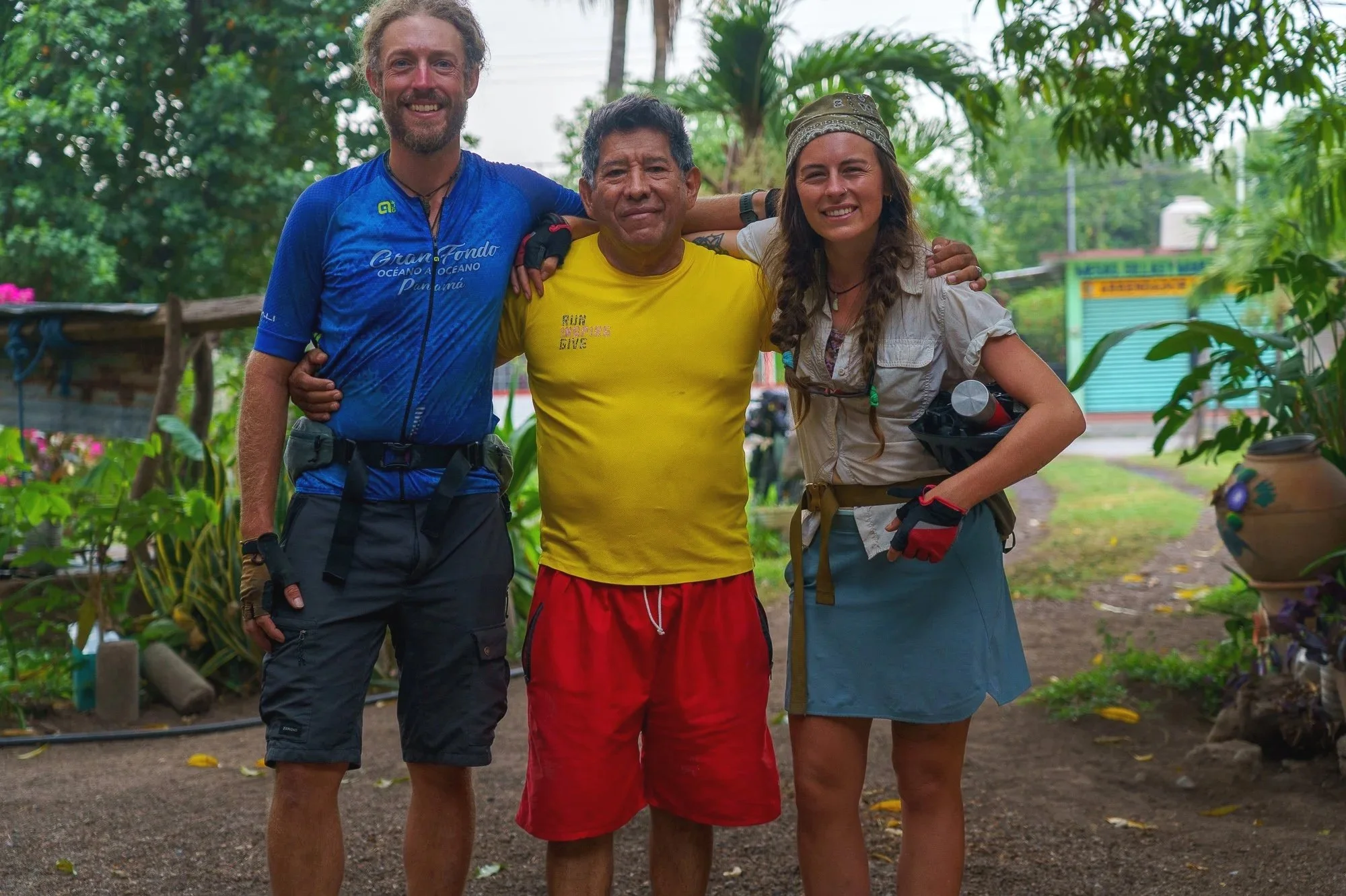
Rodrigo, teacher and father of 2 sons, kindly let us camp in his garden in Chiapas.
We started our bikepacking journey in Ushuaia and have traveled across South and Central America. Coming into Mexico, the third last country of the trip, we have some serious decisions to make…
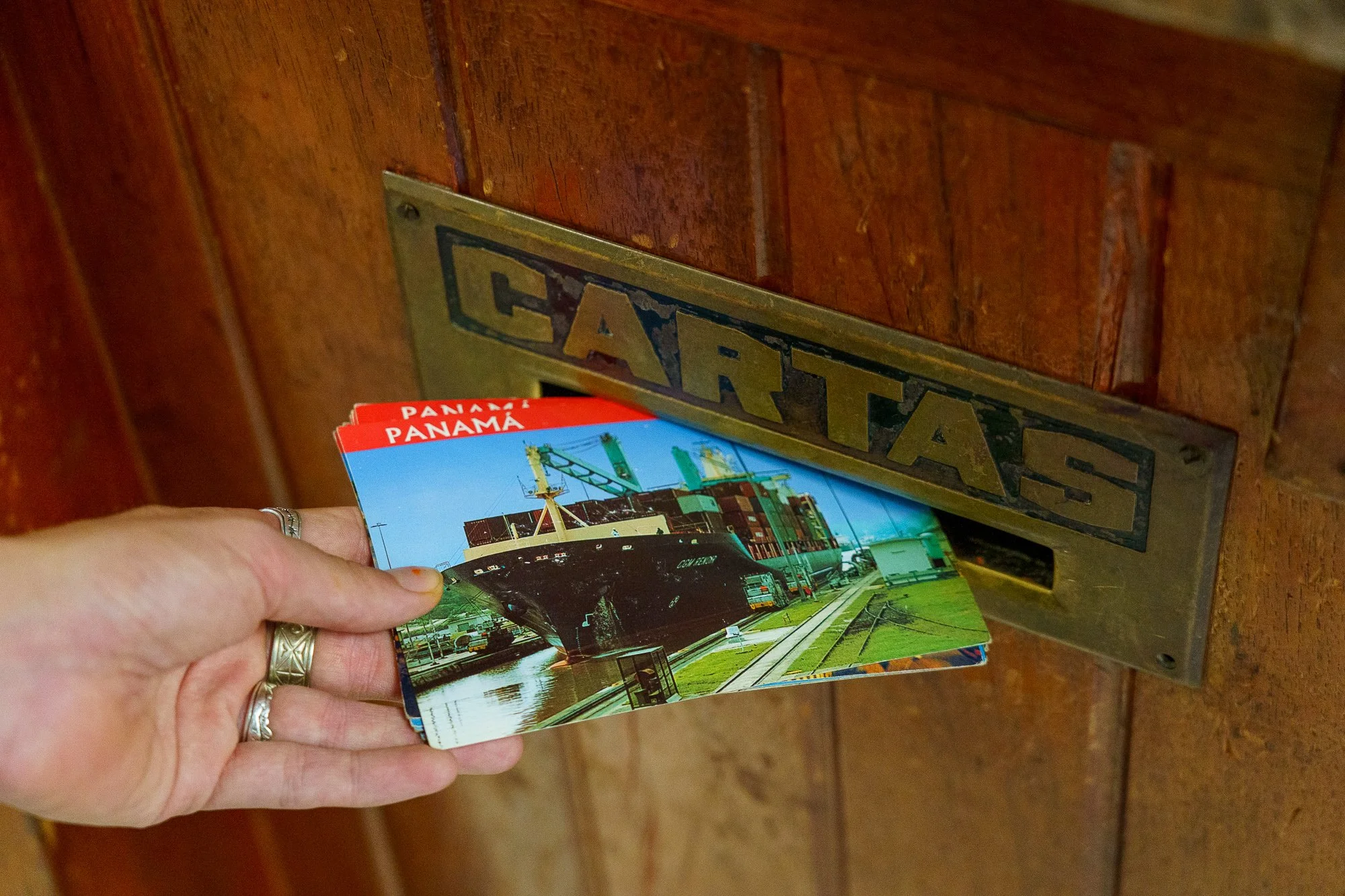
Thanks for reading along! You can support our journey by becoming a Patreon member and access live updates, stories and early video-releases — and maybe even a postcard from our next destination. Cheers!
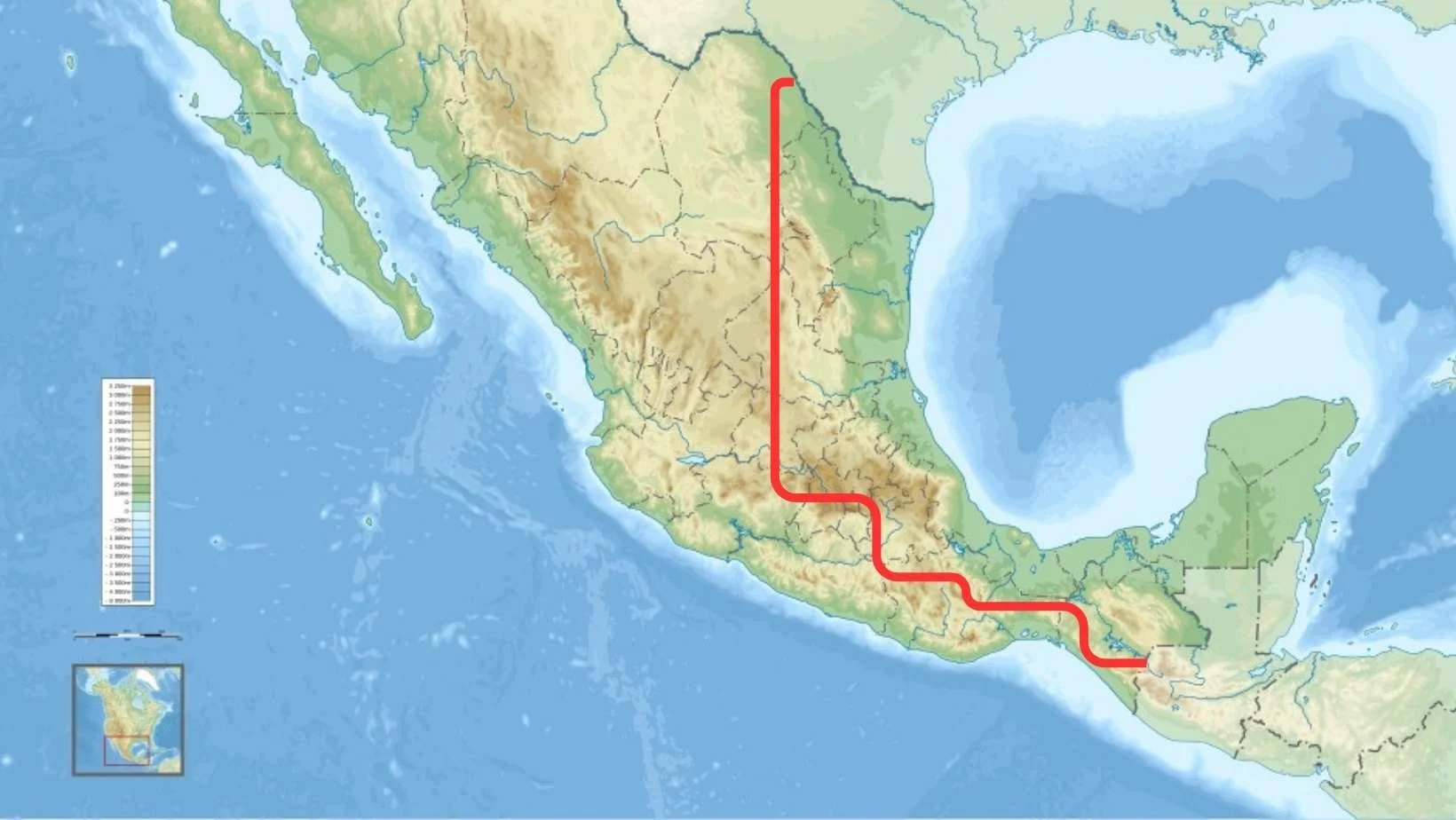
After more than a year on the road, we have arrived at the final chapter of our journey: North America!
Hola, Mexico!
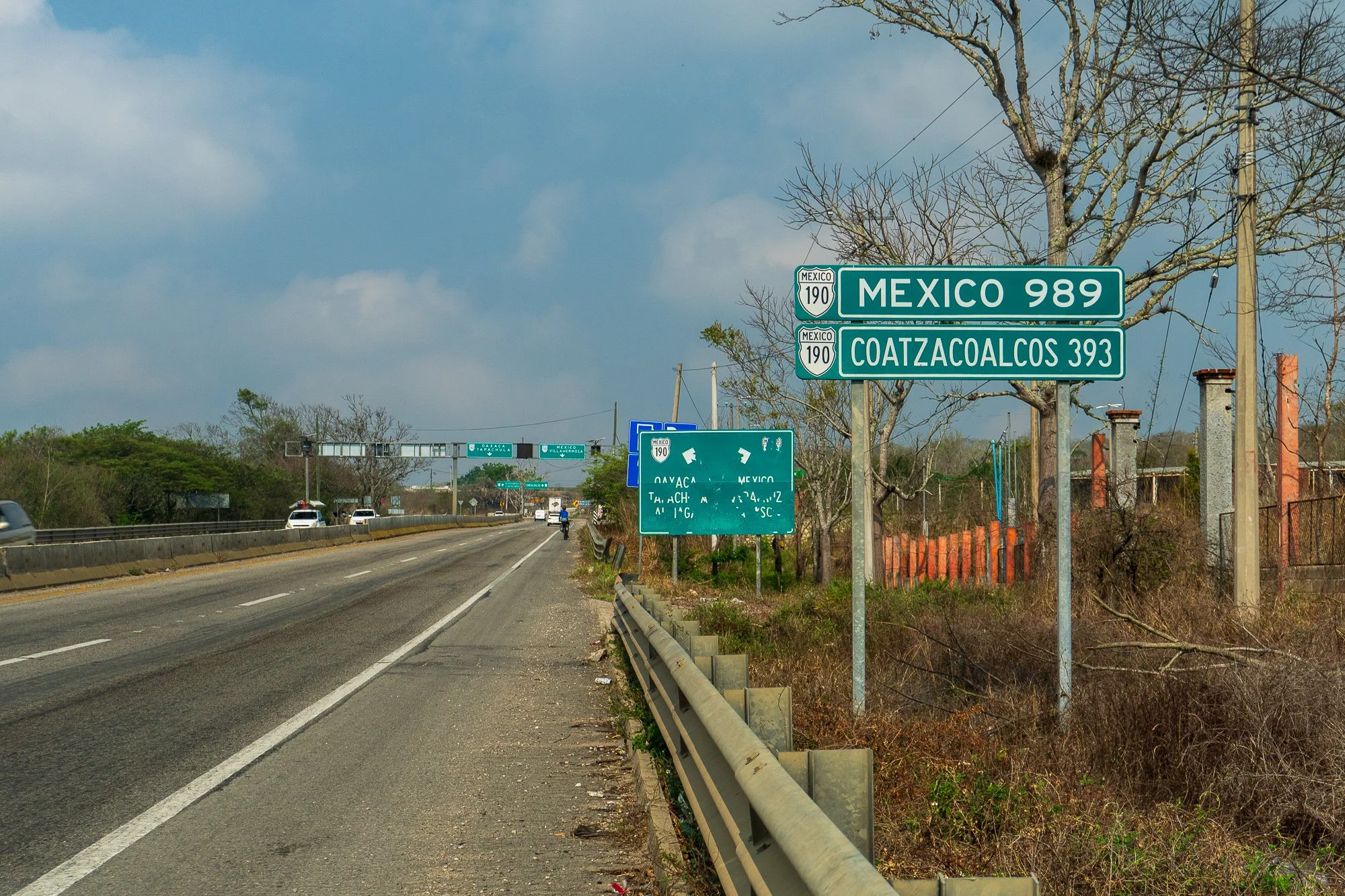
For both Ryan and myself, it was our third time visiting Mexico, albeit the first time together. Being somewhat familiar with the country, it still felt very exciting to explore Mexico by bike this time!
Cycling is a humble and vulnerable mode of transportation, especially on busy roads and regions with cartel activity.
While cycling trips across Mexico are mostly positive and unforgettable experiences, it does require some planning and preparation on the cyclist’s side, as safety can be a concern. Best is to consult official travel advisories, follow up on the local news, and ask fellow cyclists in WhatsApp groups, bikepacking.com and other forums which routes are recommended… and which ones you better stay away from.
Ah, Mexico, mi cariño …
Despite its harsh reputation, Mexico probably ranks as one of the favourite countries amongst bike packers and cycle tourers. Yes, really! Not only is the country extremely welcoming when it comes to travellers on two wheels, but people in Mexico just know how to have a good time… Music, laughter, festivities, good food and rambunctious jokes are all shared freely on the road. And in cities all over the country, you can find decent cycling infrastructure (e.g. Mexico City’s extensive bike lane network), friendly bike mechanics and cheery thumbs ups from drivers.
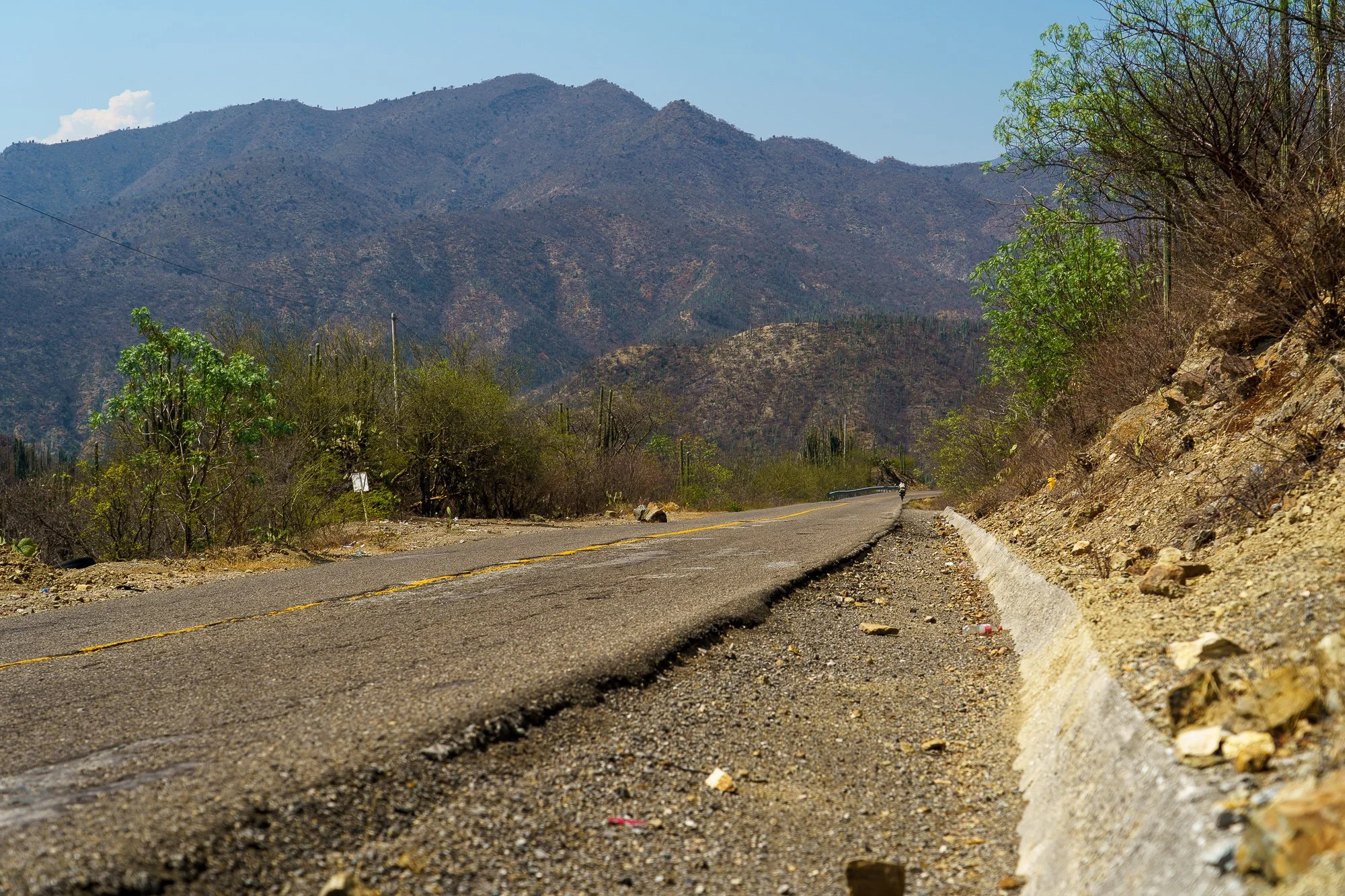
Okay, the infrastructure isn’t always great… but it works!
The Surprising Diversity of Mexico
Maybe surprising to some, but Mexico is incredibly diverse in terms of natural scenery, languages and culture. Although the country is often seen as one homogenous entity full of palm trees, sombreros and tacos, don’t be mistaken — it has many different flavours and languages! Every of the 31 estados has its own character.
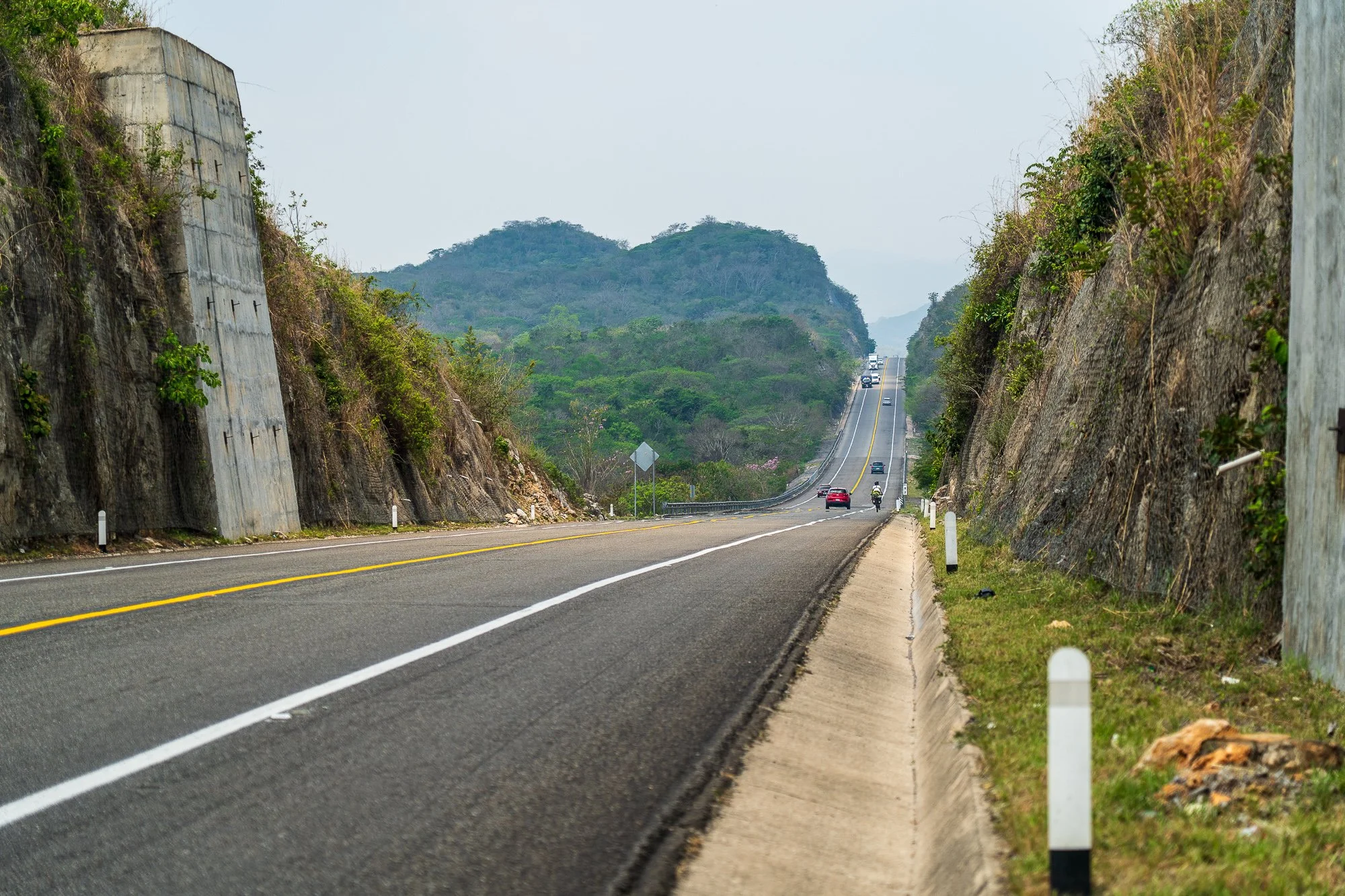
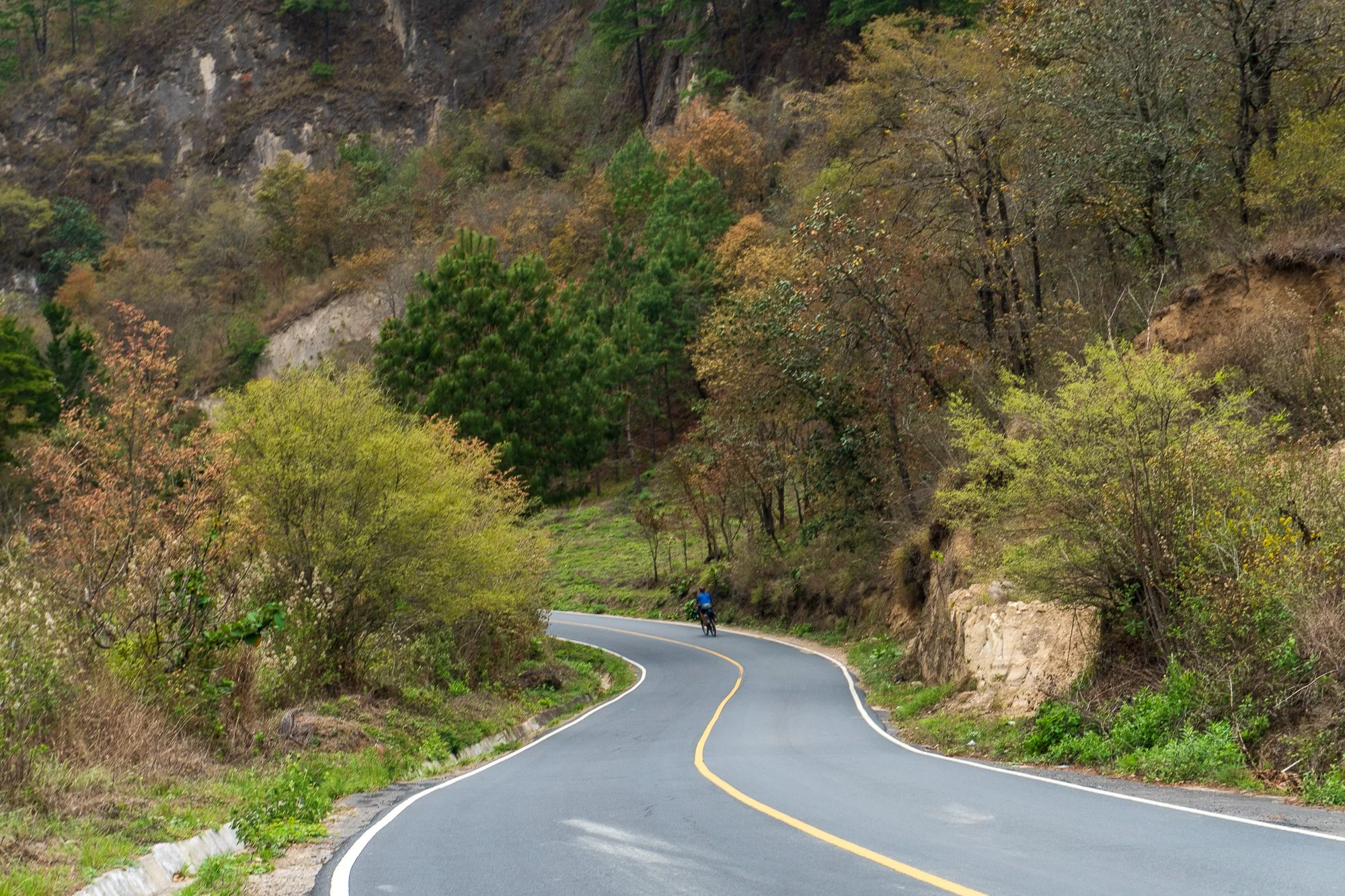
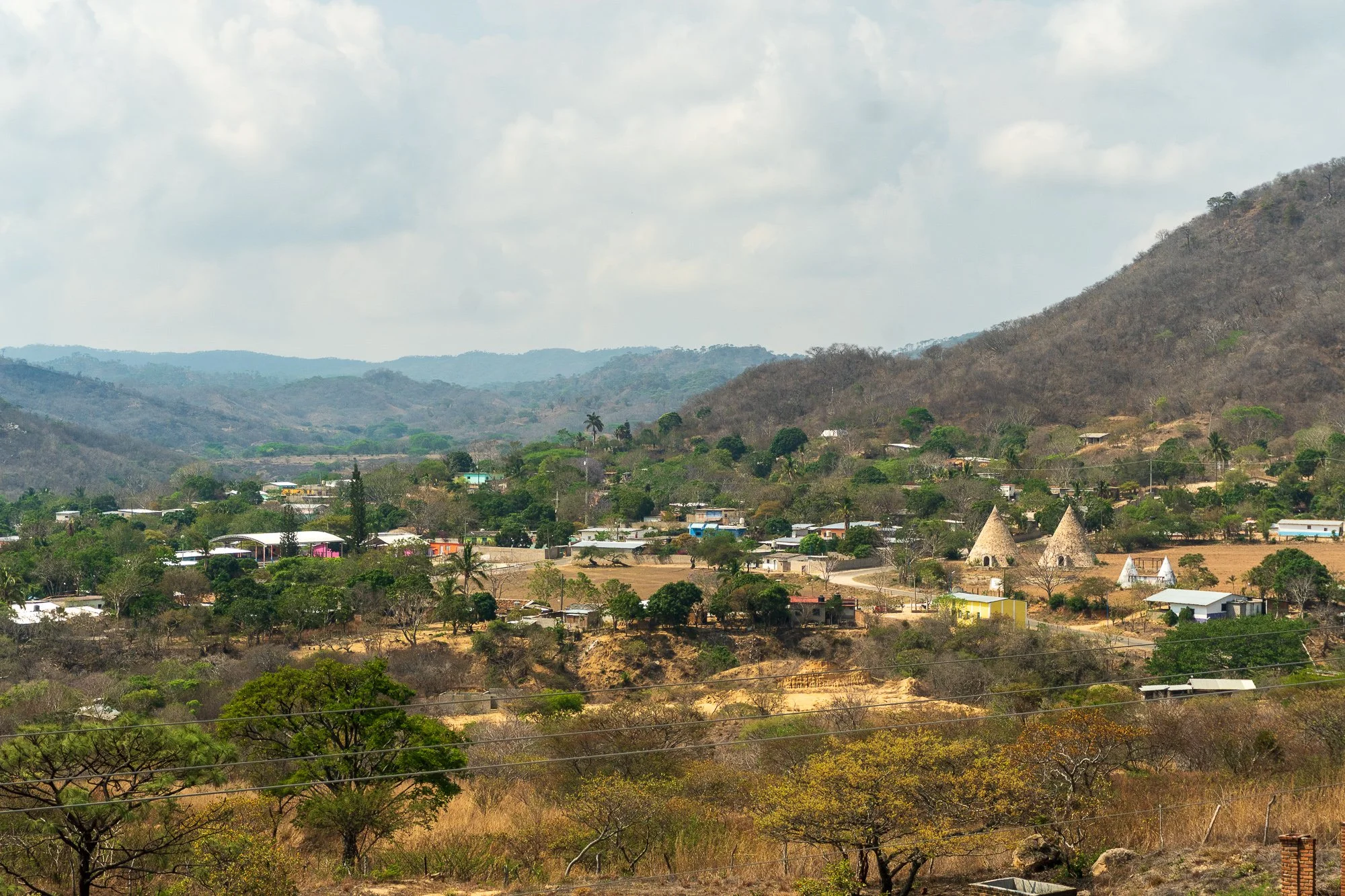
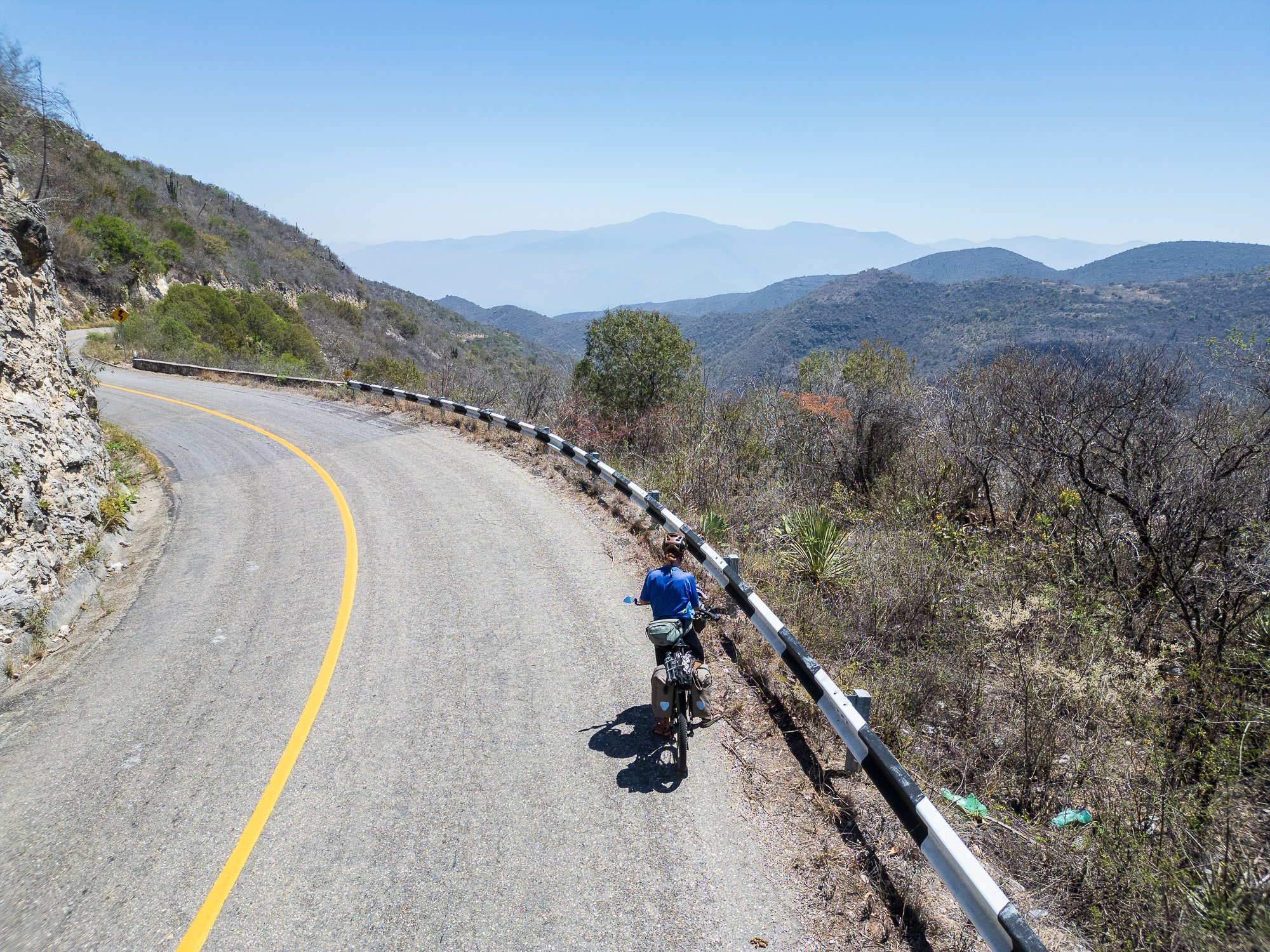
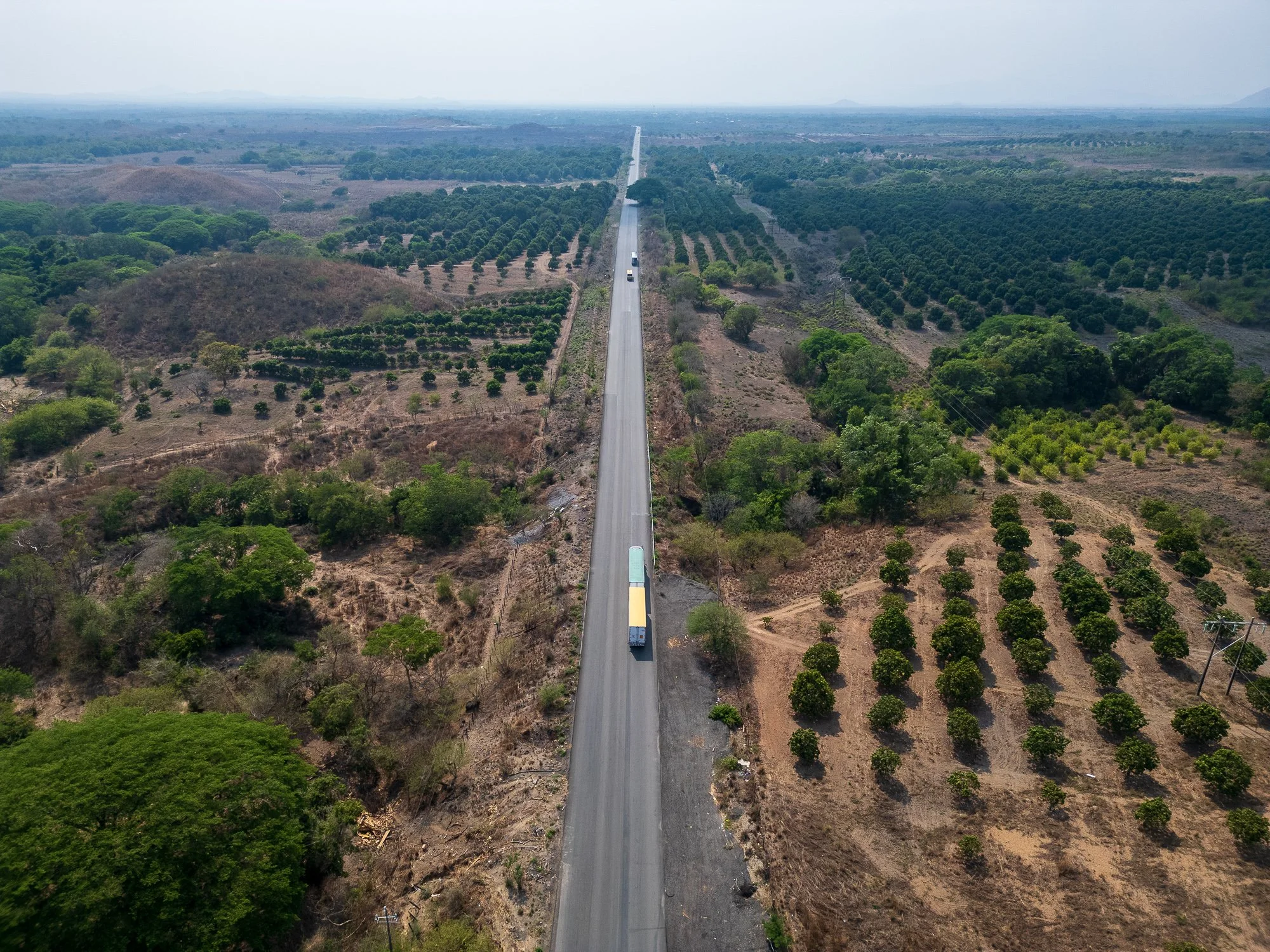
For some, like Chiapas, everyday life looks like jungly forests, large fuel stations and long-stretched rows of mango trees. Others, such as the well-beloved Yucatan, boast beaches, blue waters and cenotes. Another offers long, dry stretches of desert, spooky Joshua trees and old mining towns (looking at you, San Luis de Potosí).
One thing is for certain: with every state line Ryan and I cross, we experience the different flavours and sights of the regions that together form Mexico. What a country. 🖤
Crossing the border: Off to a Rocky Start…
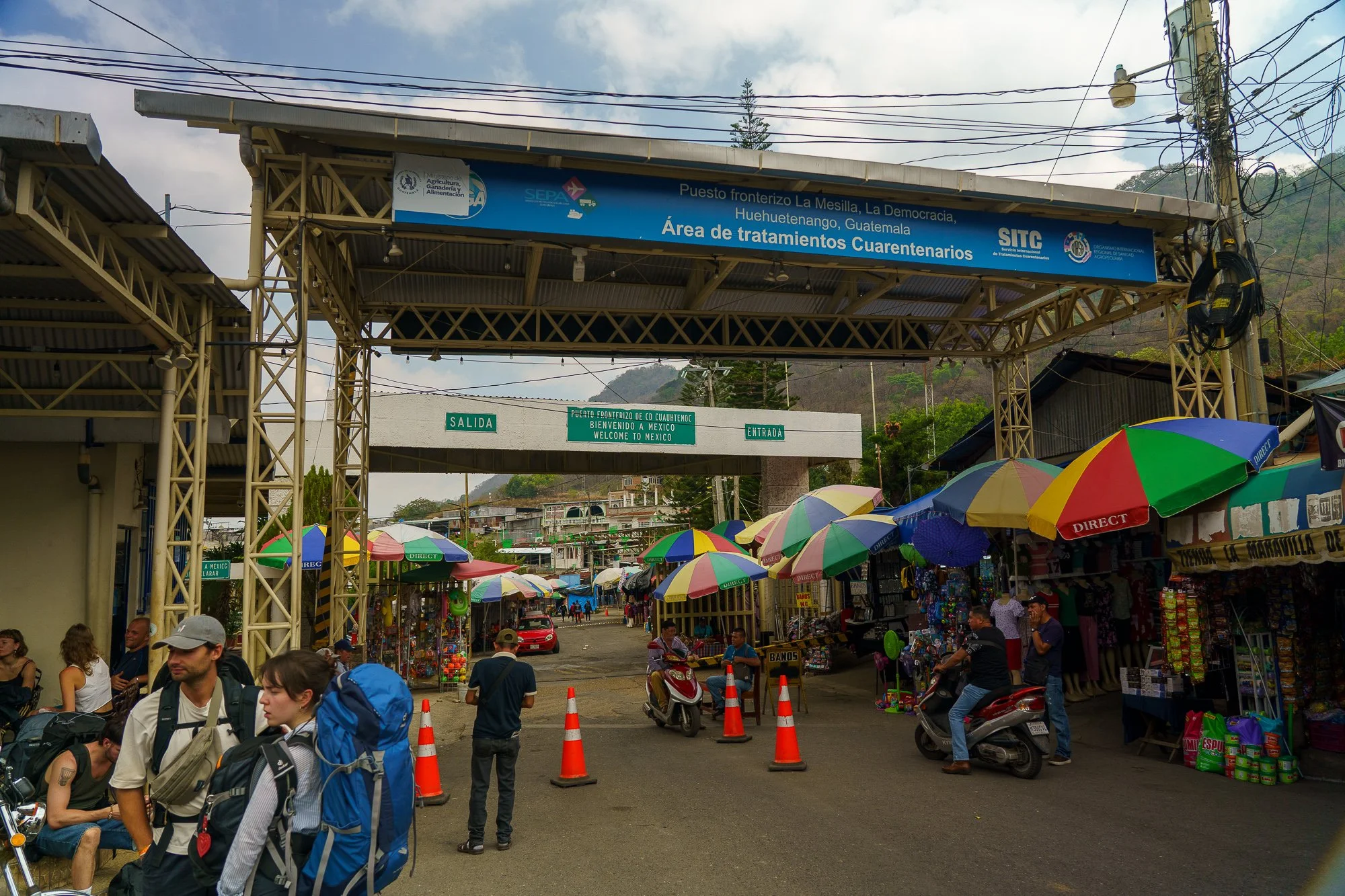
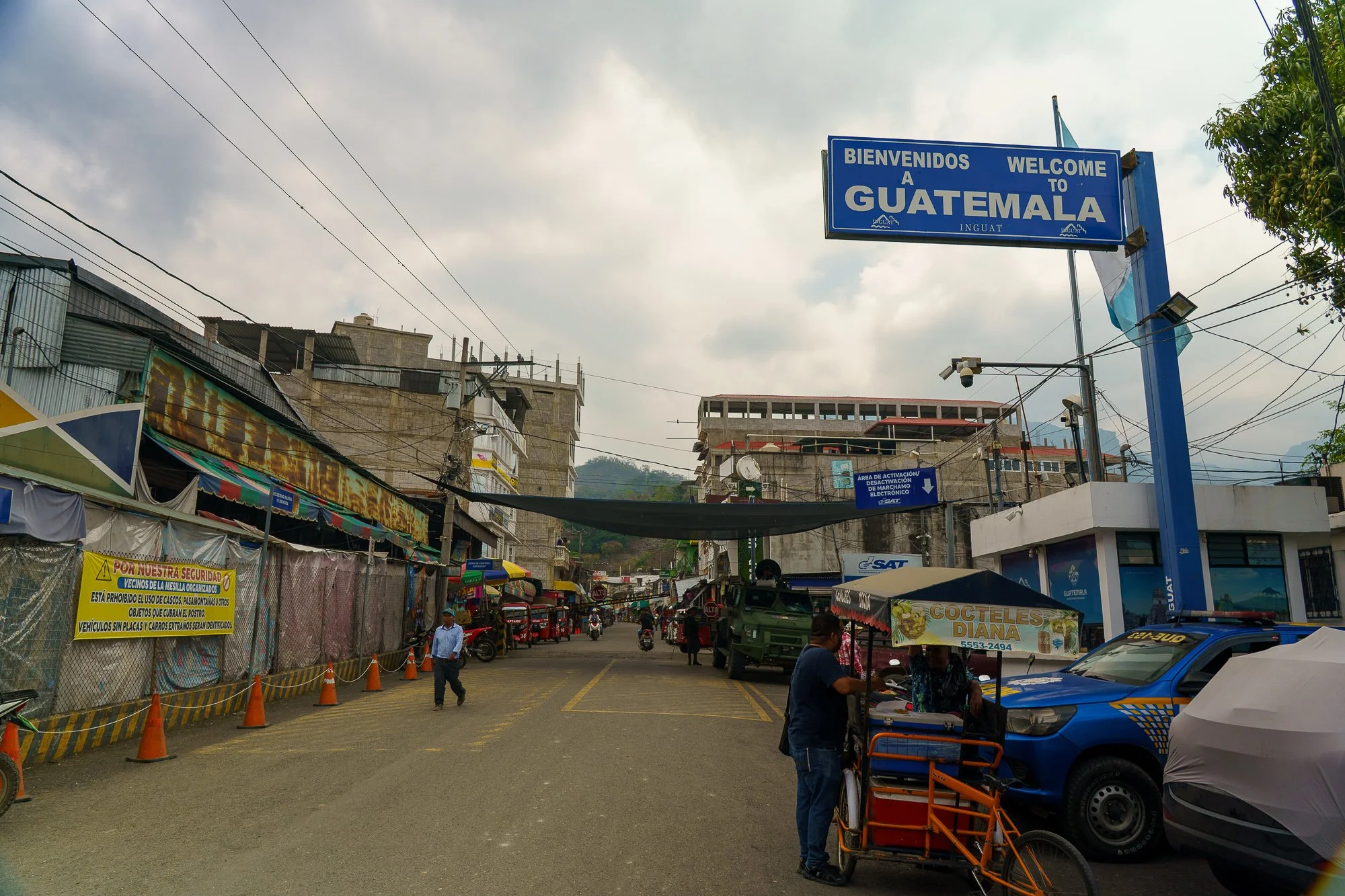
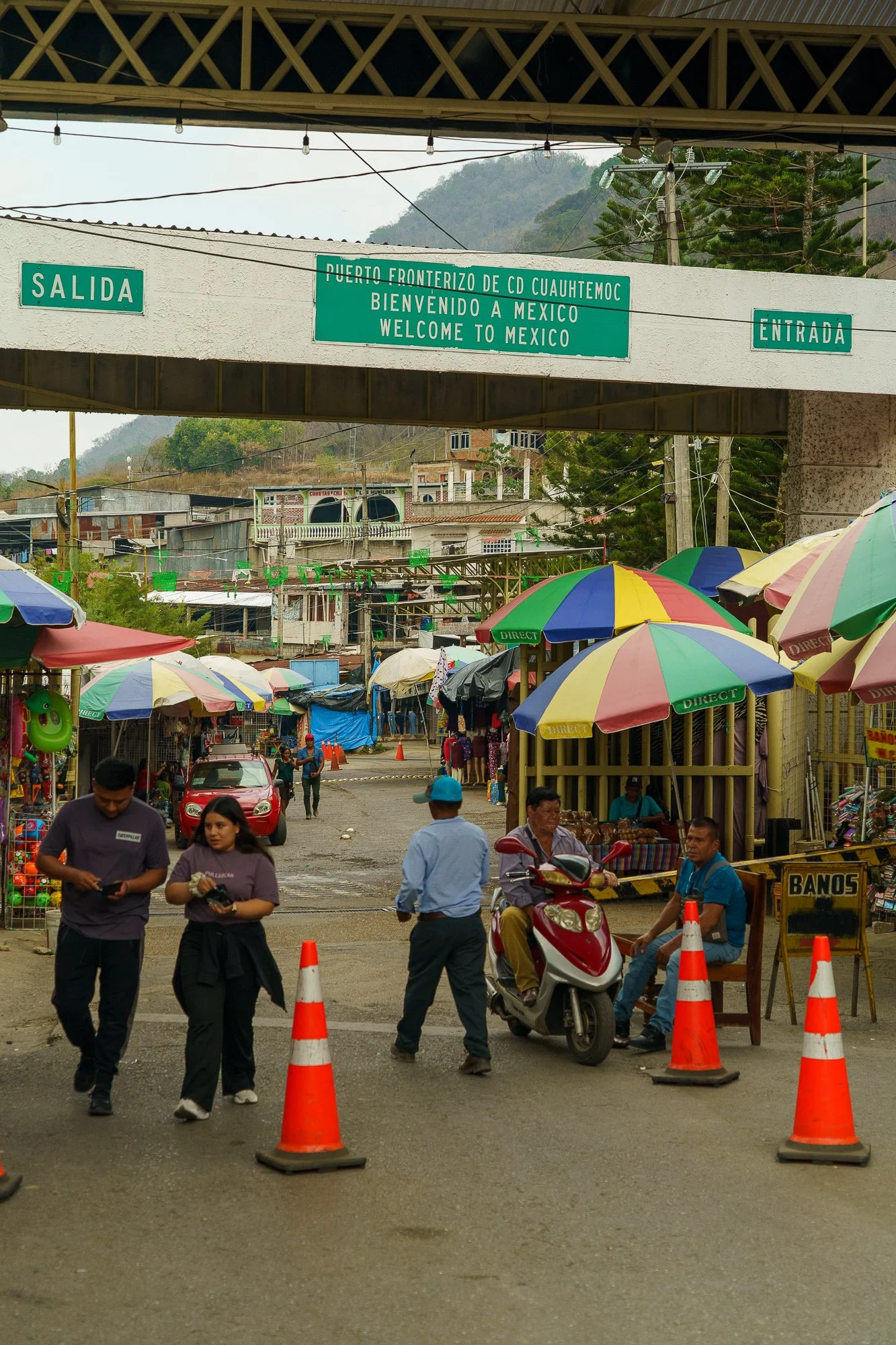
Since Ryan’s previous worrying experience on the Guatemala/Mexico, we decided on taking a bus to tackle this notorious stretch. A beautiful side-effect of travelling is that you start listening to your gut feeling more often— and learn to trust it.
Something or someplace doesn’t feel right? Skip it or leave it. For us, that translates into taking the bus.
After all, it’s our journey. Since we’re not hardcore purists, we feel okay with not cycling every single mile. “Hike your own hike”, as they say in the backpacking community.
But traveling by bus with bicycles is nerve-wracking…
… and this time was no exception!
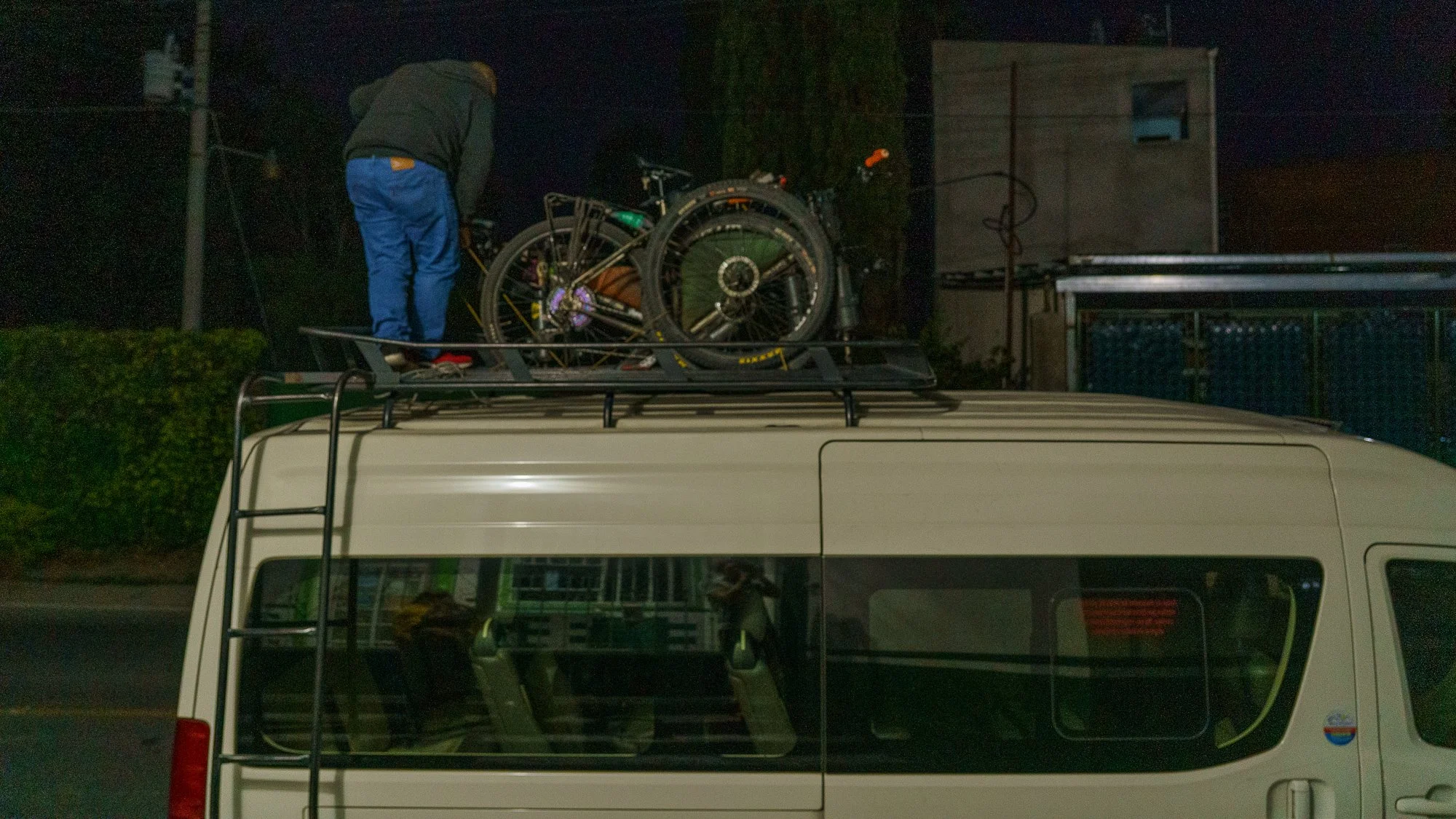
Unexpectedly, we switched buses on the border crossing and for us, that meant getting the bikes from one bus to another. Of course, the second bus was a lot smaller, and the driver was not informed that there would be two bicycles boarding his bus… Sigh. Lucky for us, the bus driver’s attitude was flexible (as often in Mexico) and we somehow managed to break the bikes down in the luggage compartment. I don’t think this stuff wouldn’t fly in Europe or the US… We certainly appreciate the flexibility here in Mexico, where rules are sometimes more what you’d call a guideline, than actual strict rules.
Our First Stop in Southern Mexico
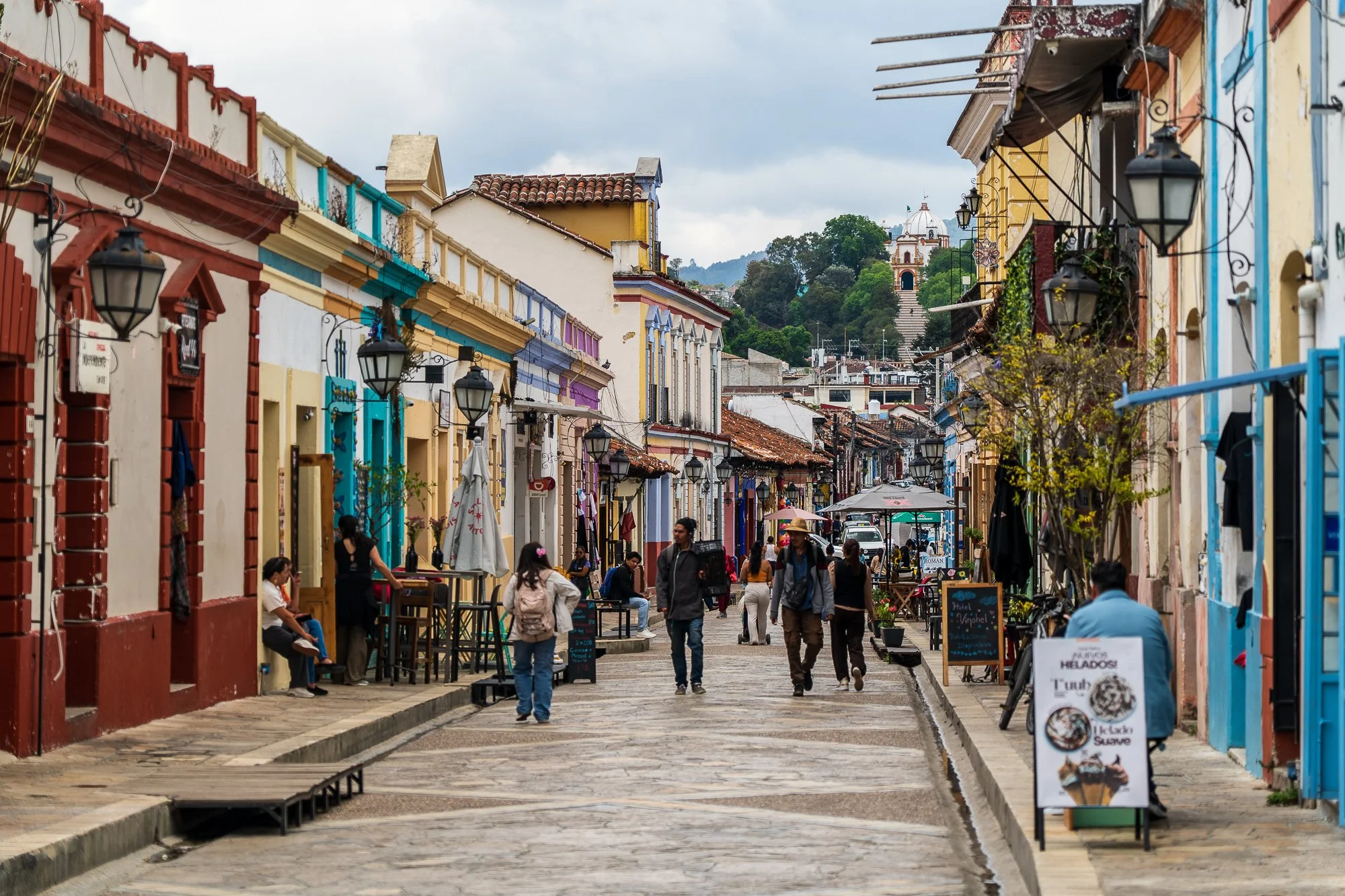
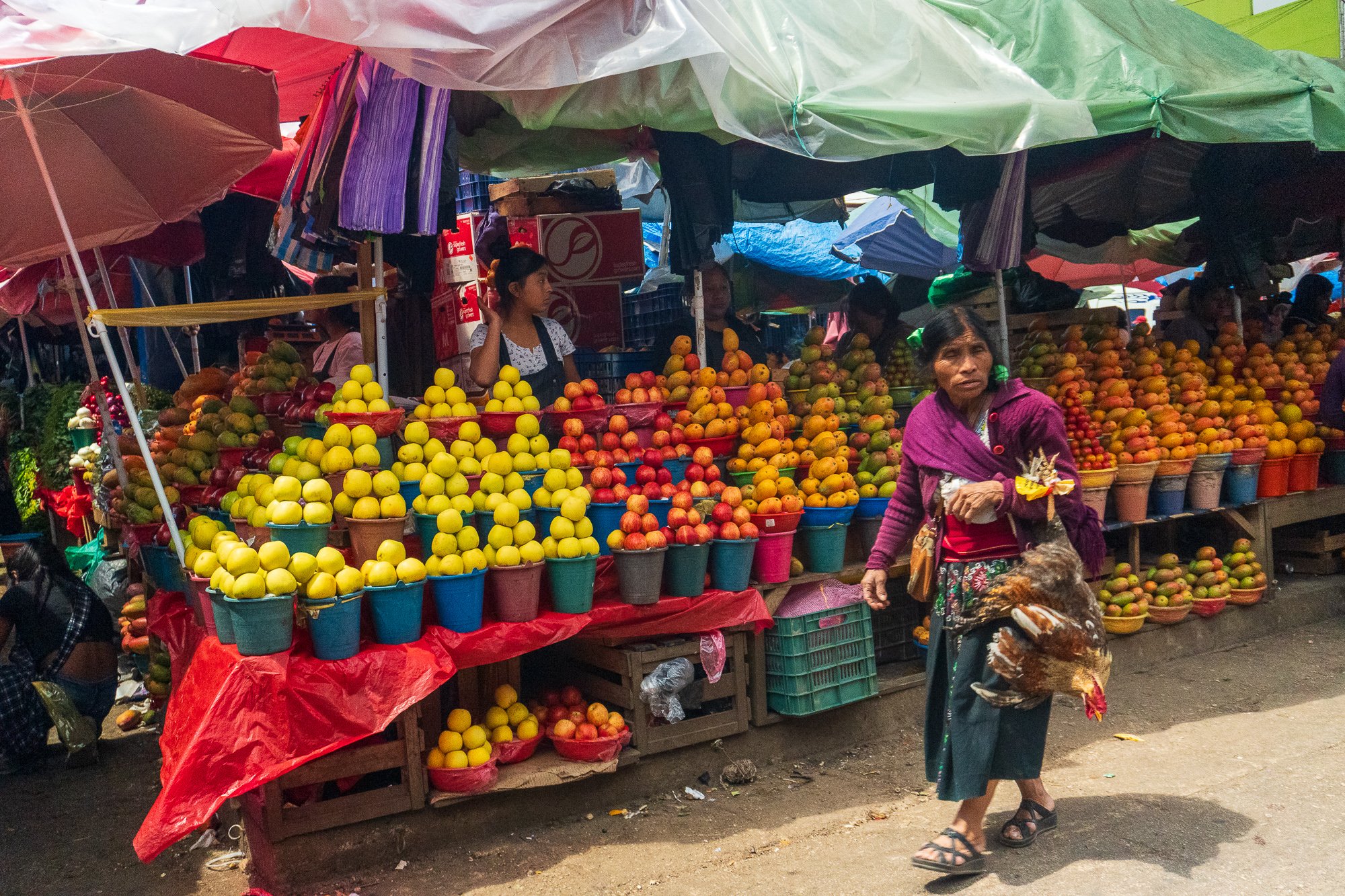
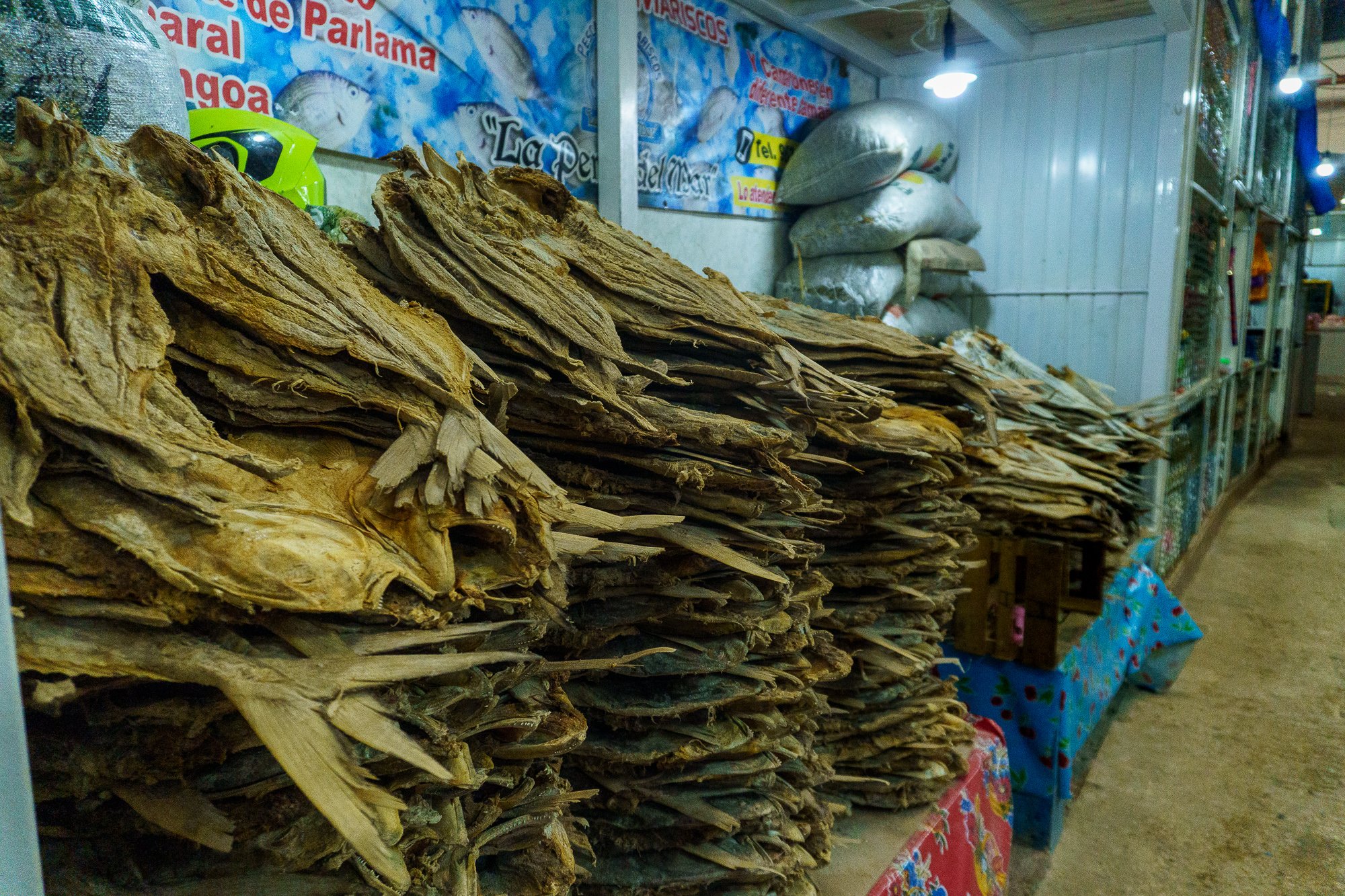
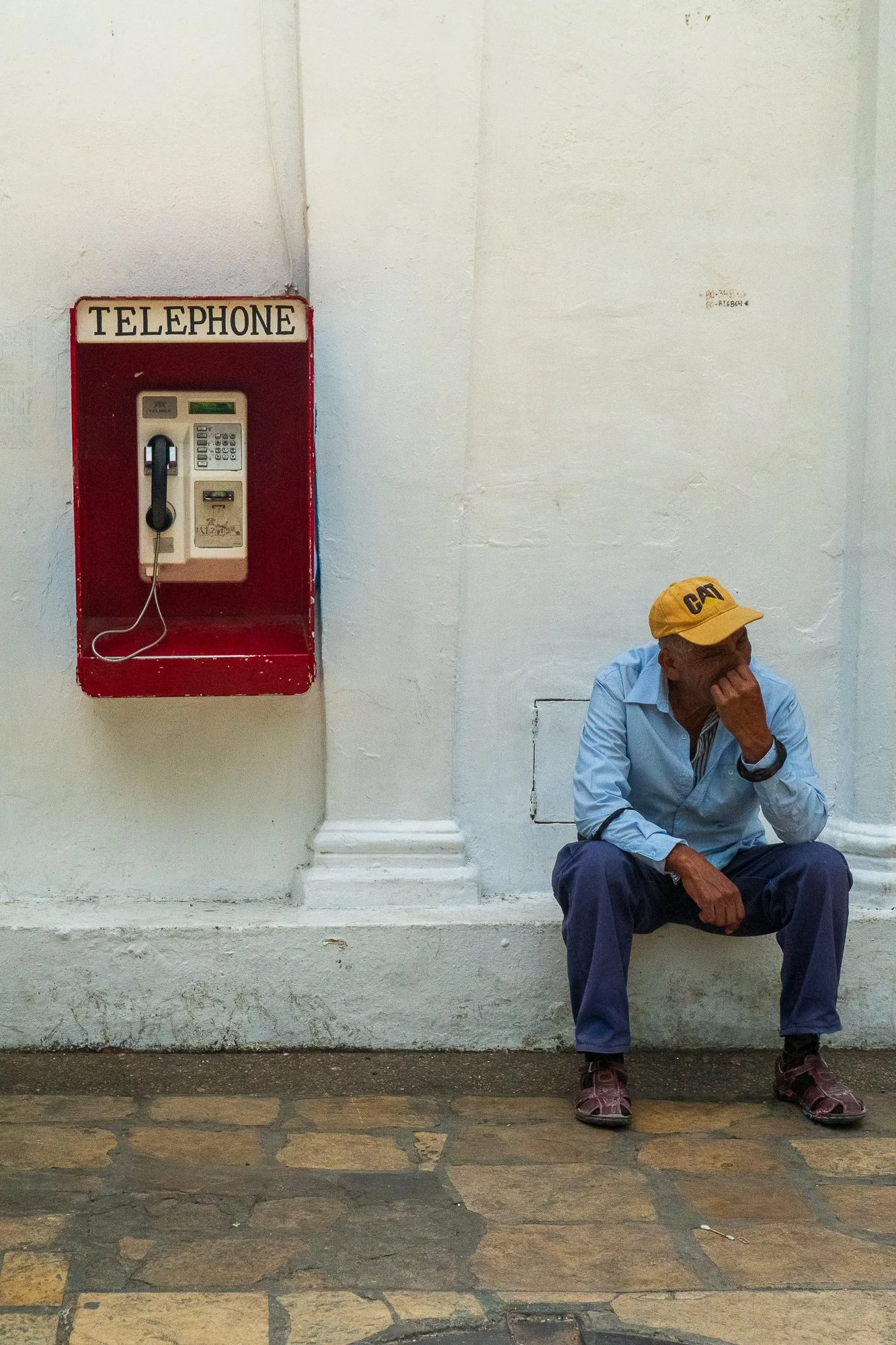
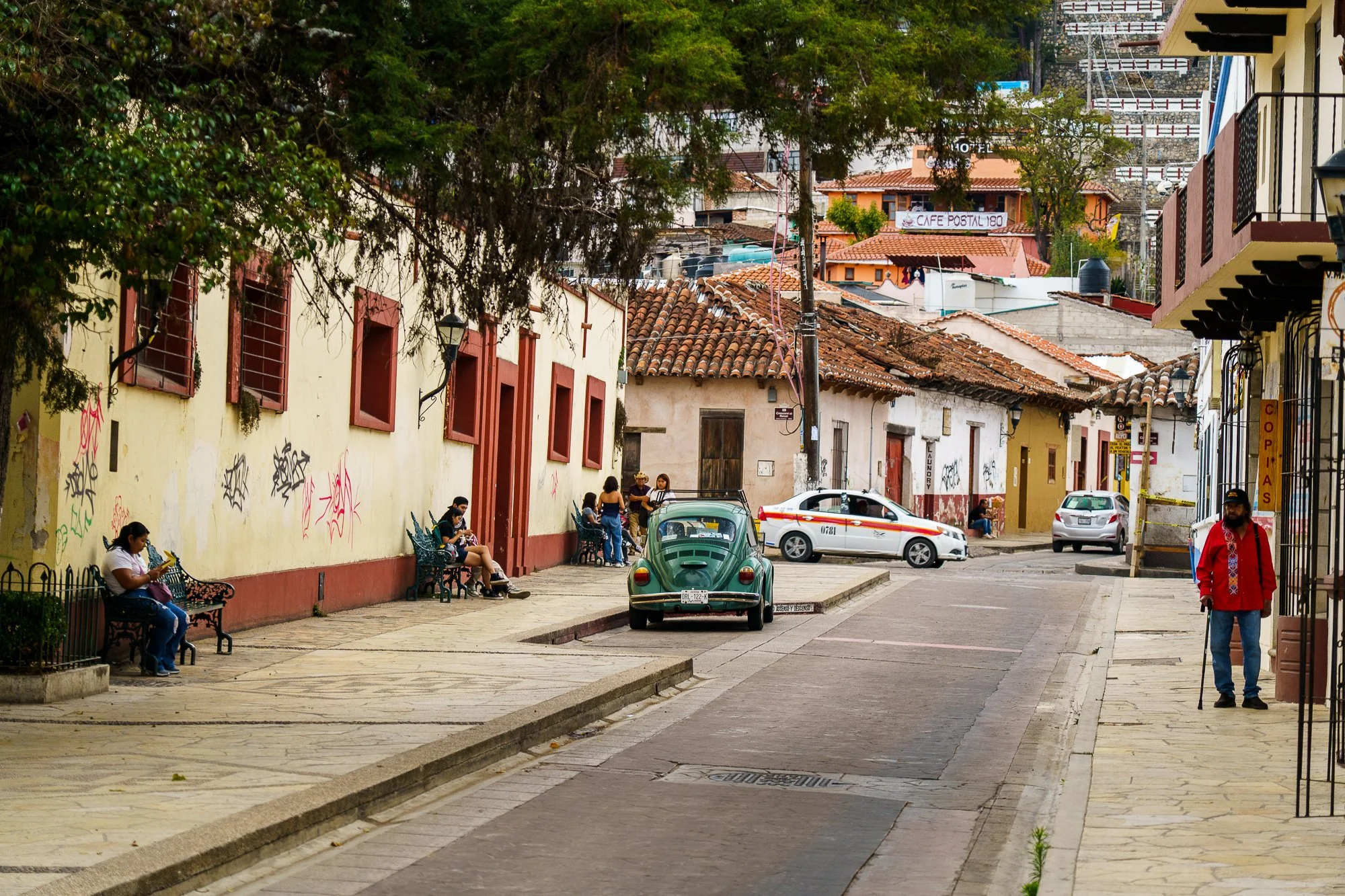
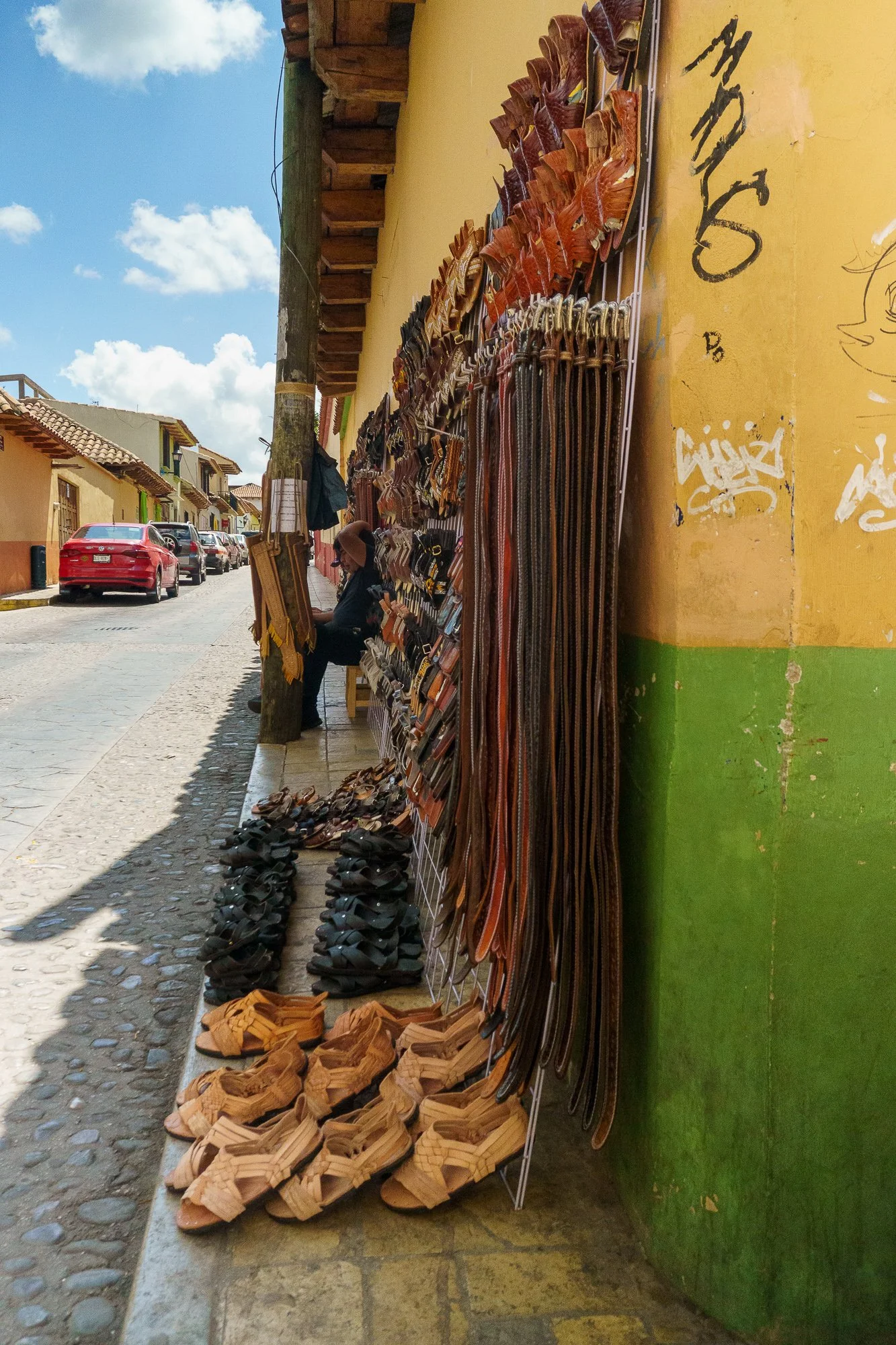
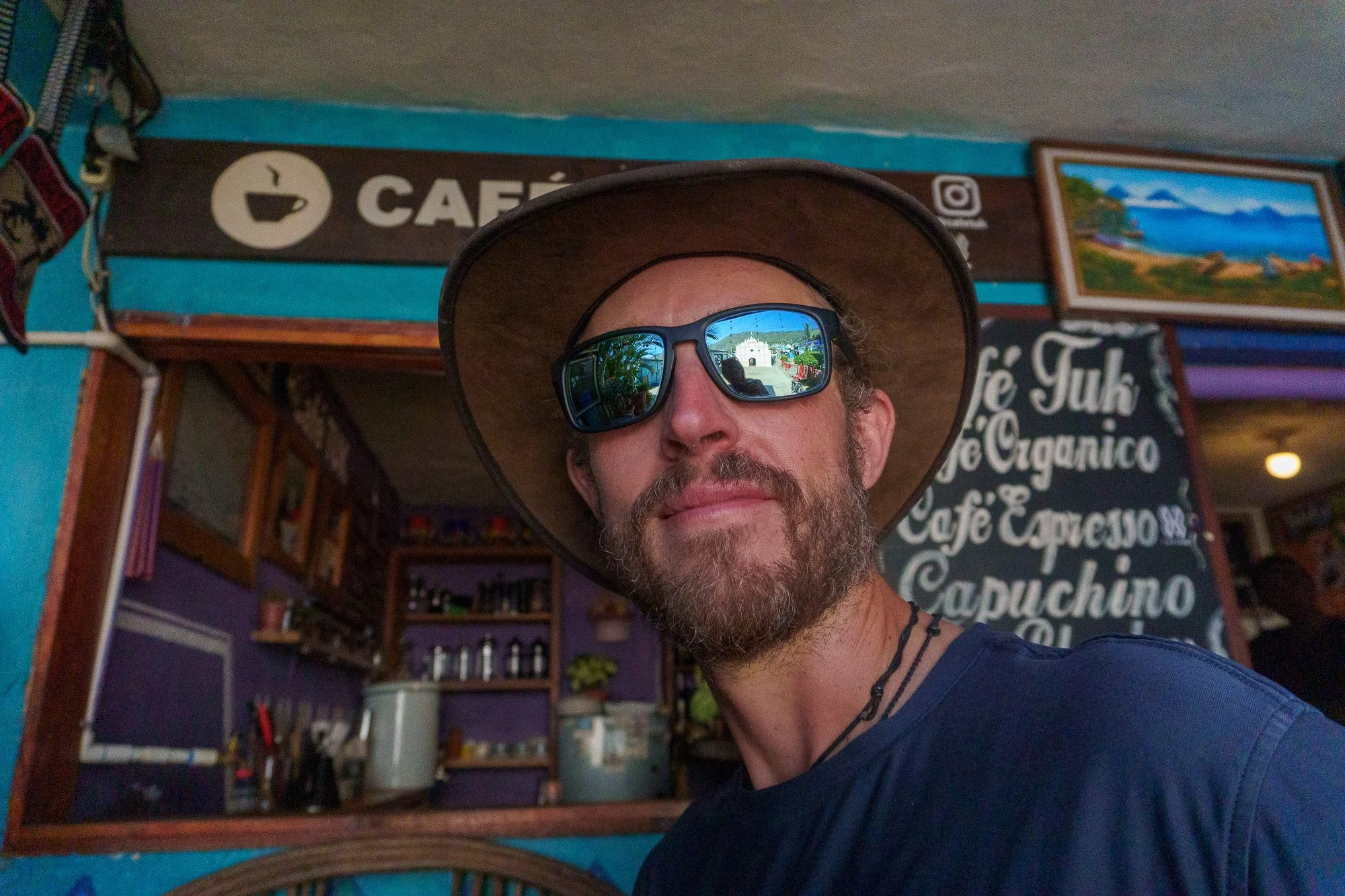
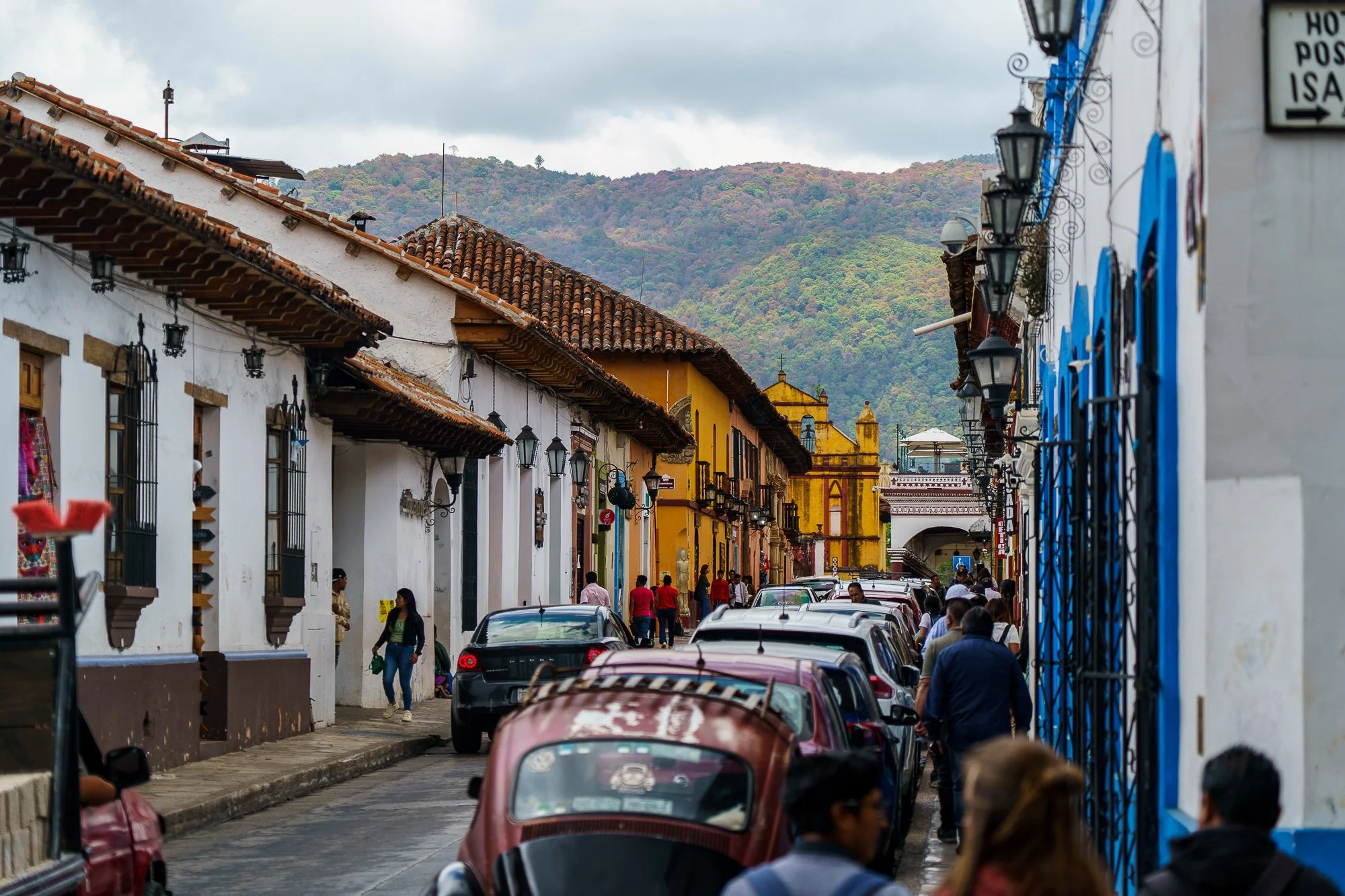
A couple of hours later, we were dropped off safely in San Cristobal de Las Casas, a very charming and touristy town in the state of Chiapas. We changed our quetzal to Mexican pesos, and spent a few days exploring the town, until we felt ready to ride north once more.
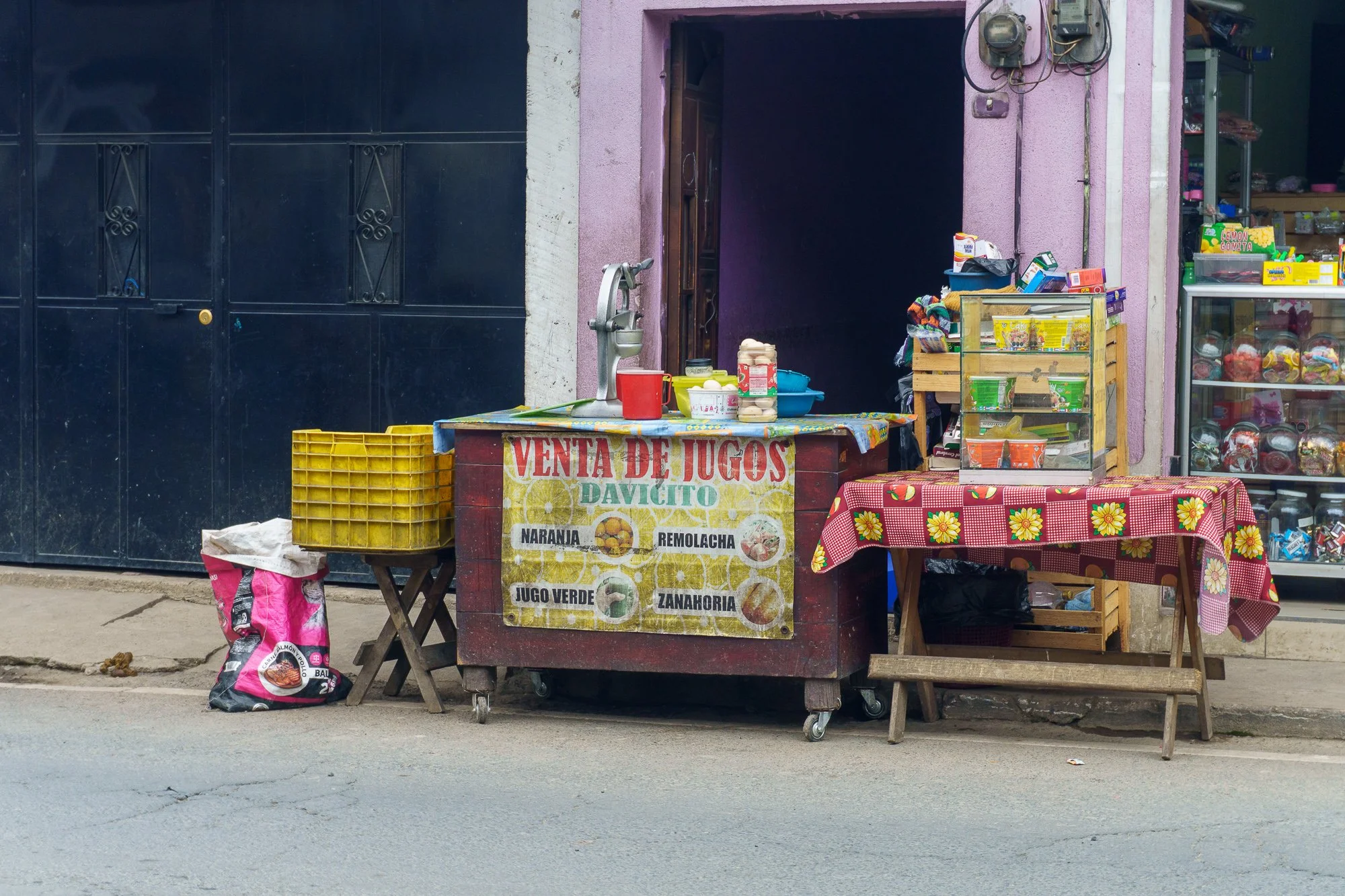
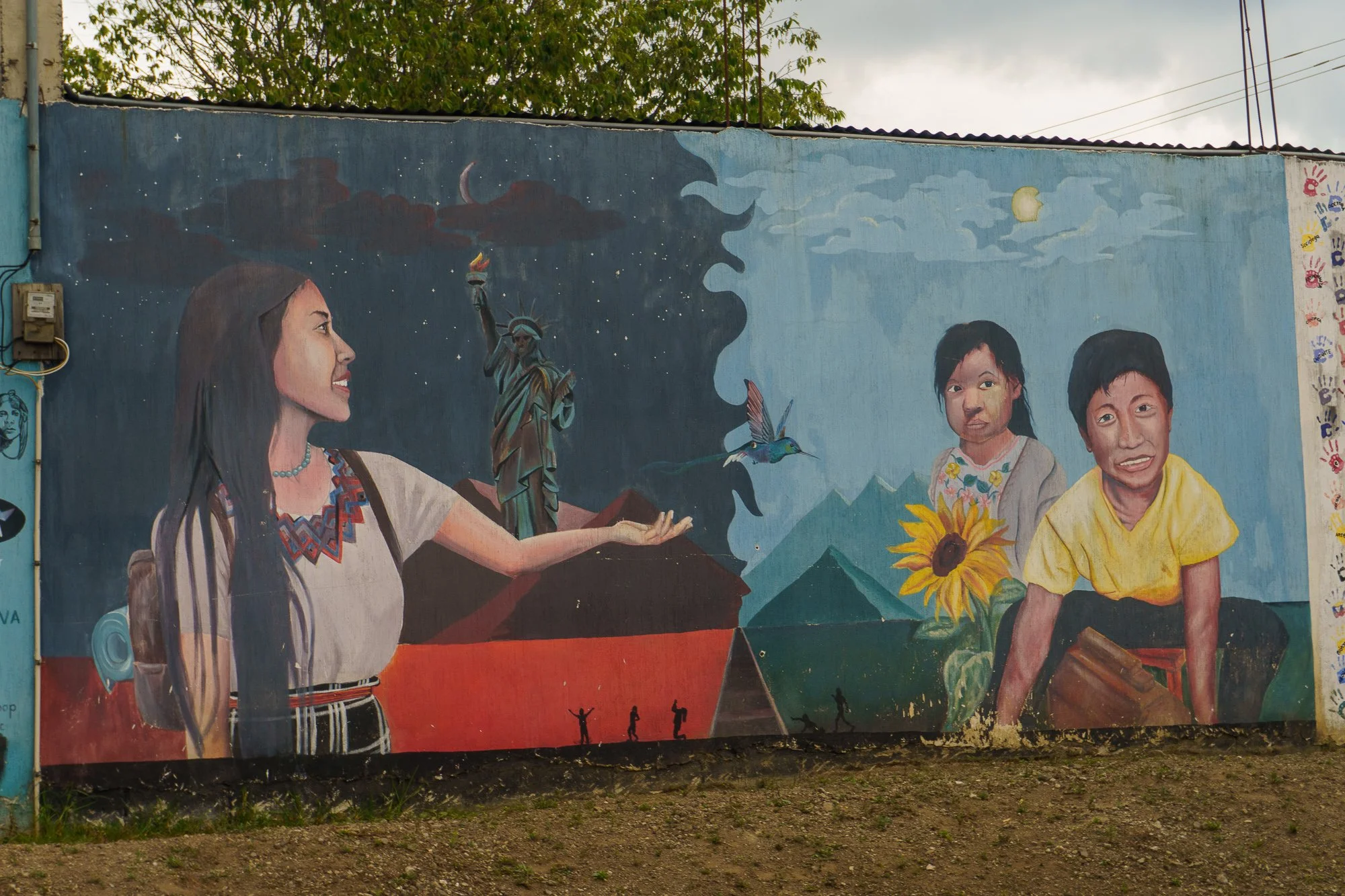
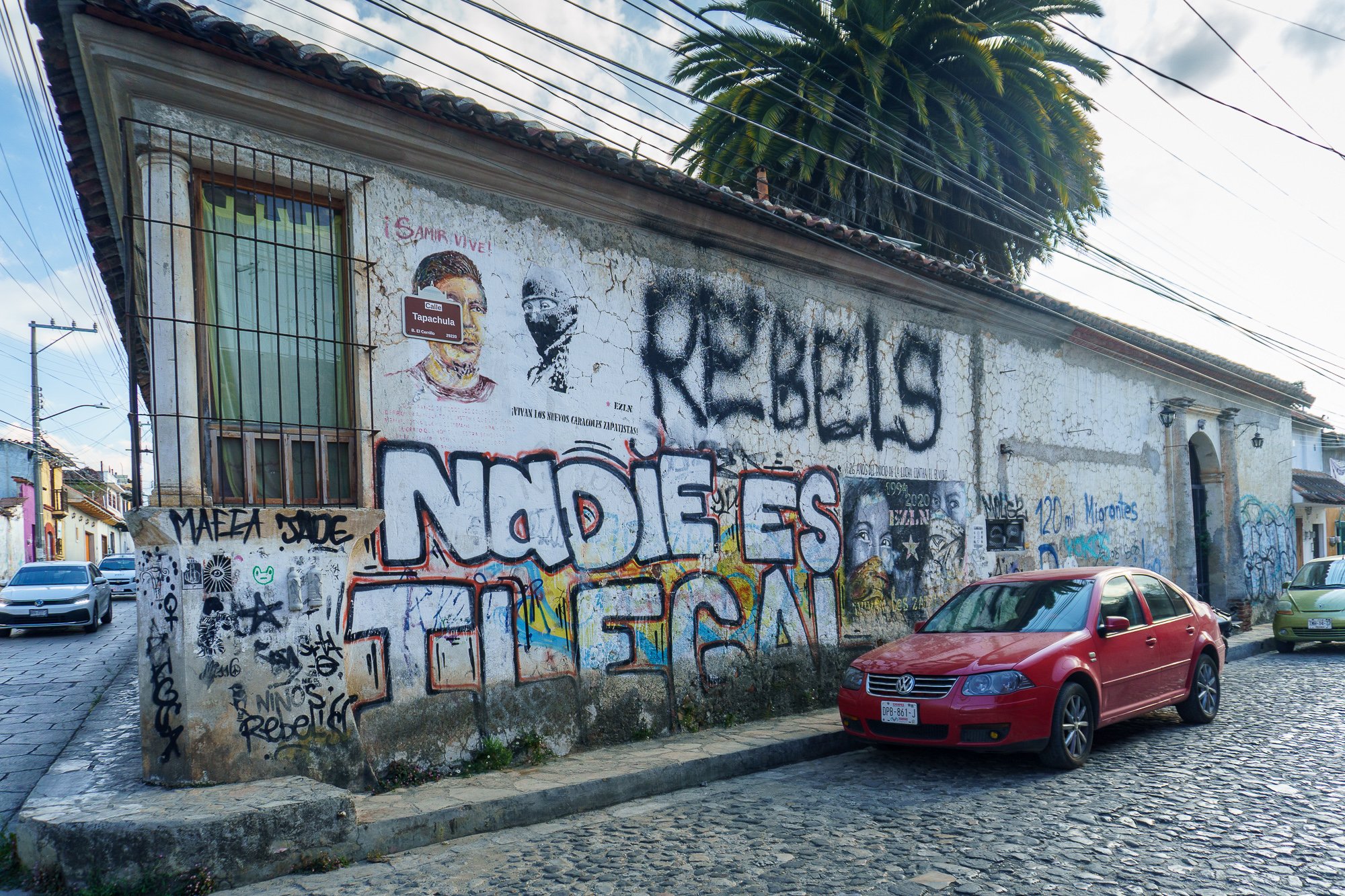
Surviving the Heat in Southern Mexico
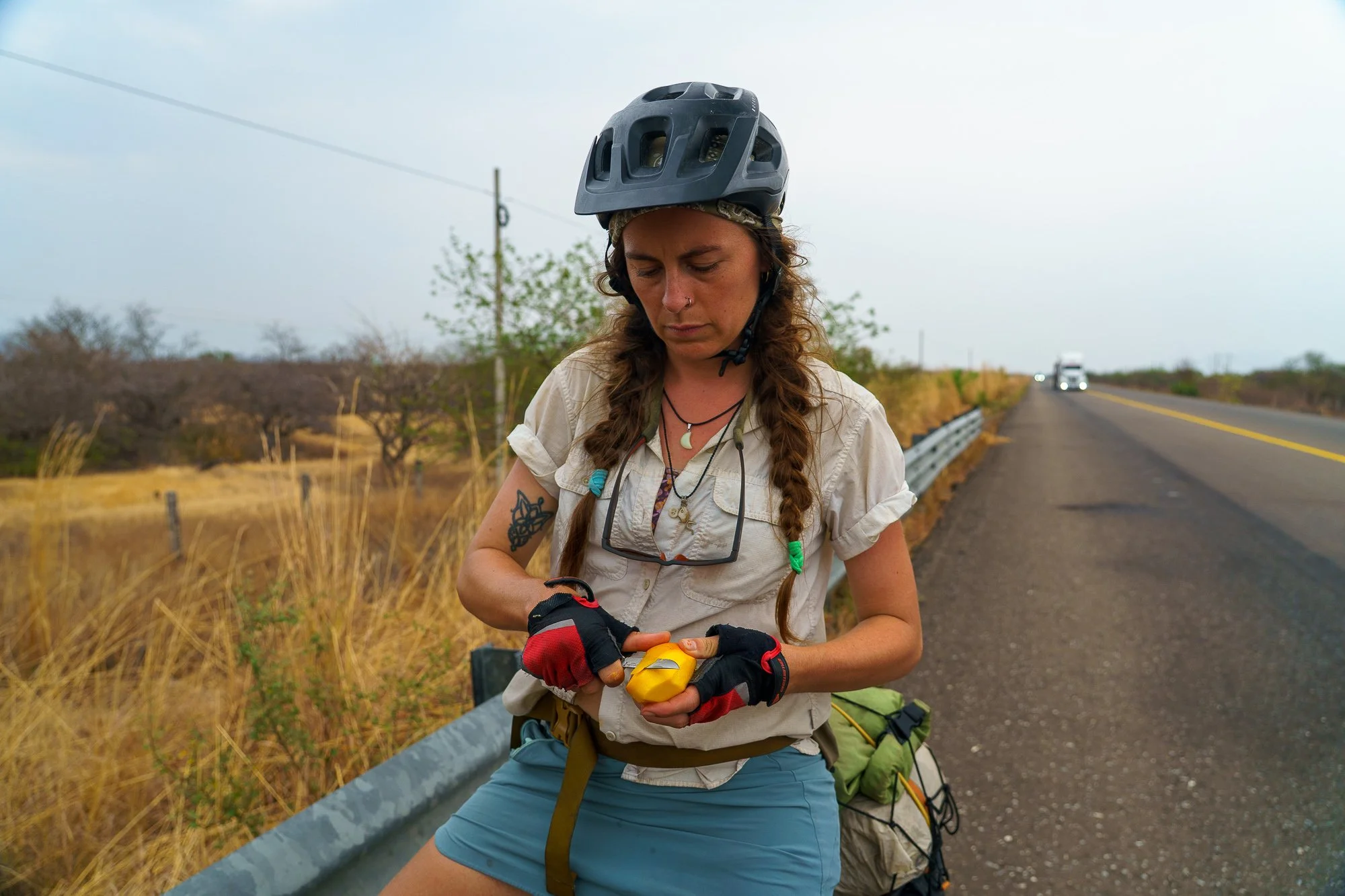
It was early April, and temperatures in Chiapas were rising steadily into the 30s and 40s Celsius (100+ F).
Our riding days started early in the morning. To escape the midday heat, we often found refuge in never-ending mango groves. Hundreds of mangoes littered the streets and roadside, offering us a healthy snack.
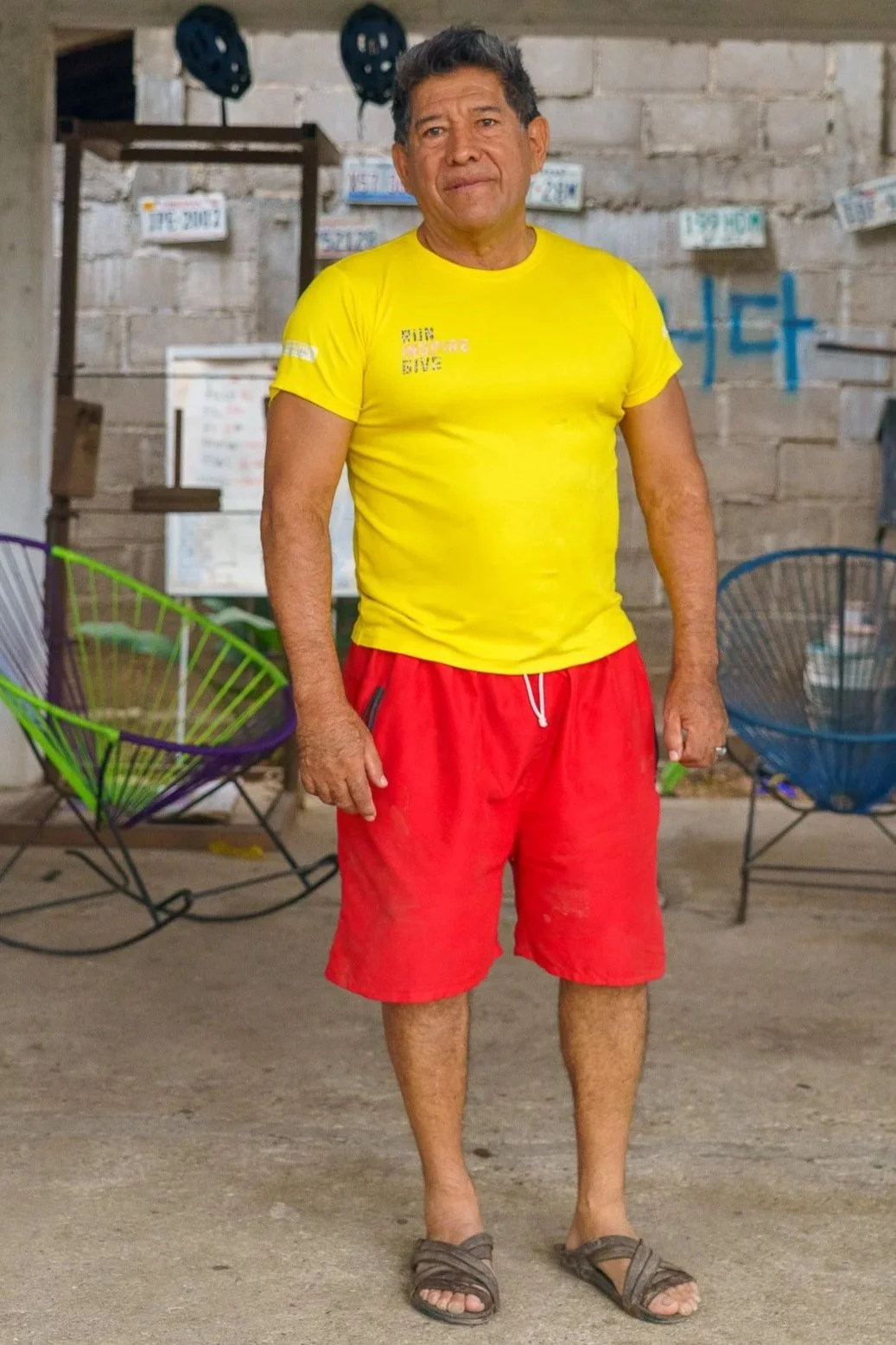
Finding a camp spot turned out to be tricky at times, with lots of privately owned land and dense forests. Fortunately, we met some amazing people who were more than willing to help us. Take Rodrigo, for instance, a longtime teacher and Warmshowers host who offered us the use of his garden and shower.
For people who haven’t heard of this incredible platform— Warmshowers is a worldwide network where people can host and help cyclists on the road. Many cyclists will later in turn become hosts themselves to “pay it forward” to others. It’s a great way to save money (most cyclists are on a tight budget), meet local people and access a shower and a safe place to sleep. Kindness is cool!
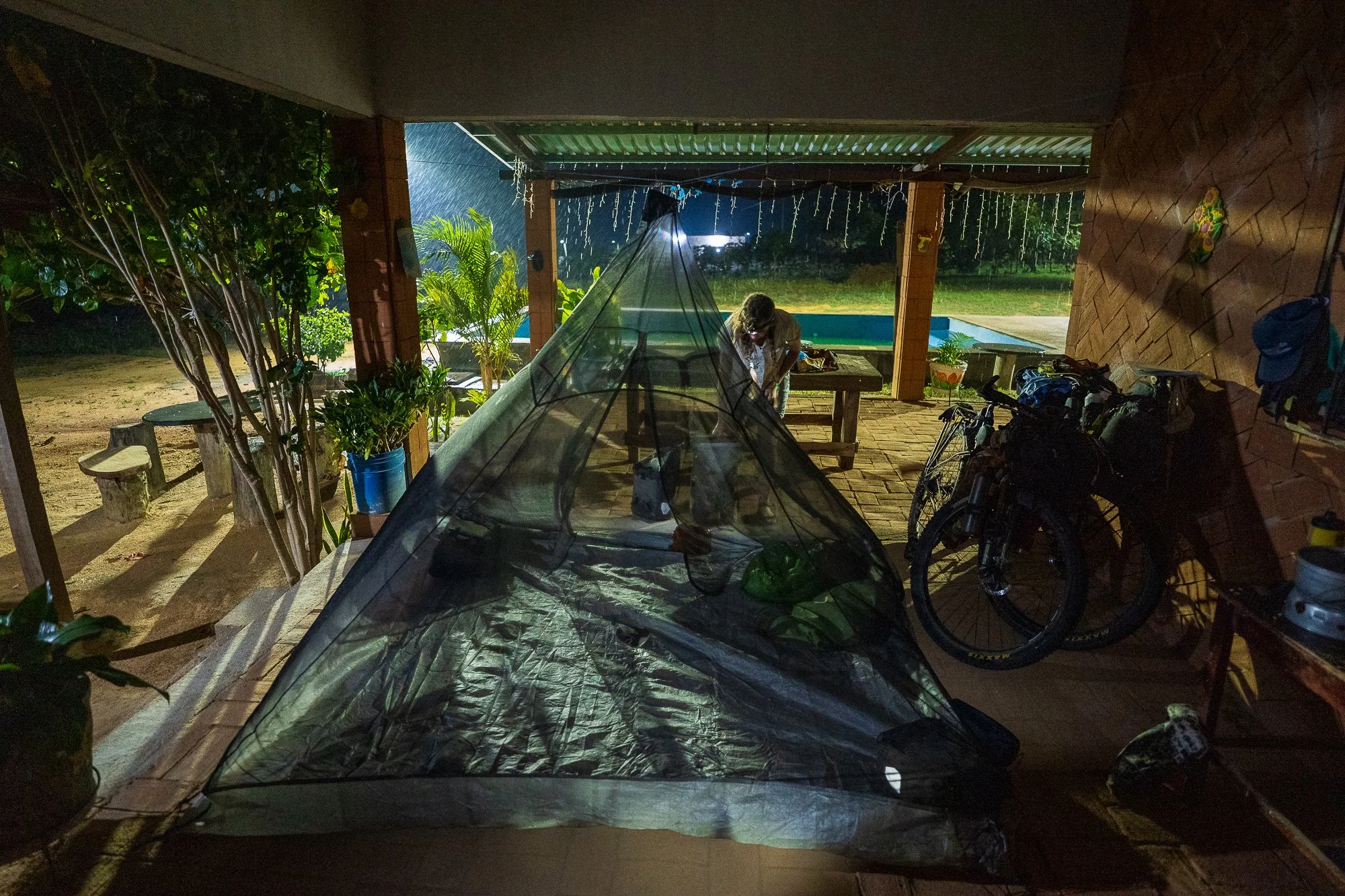
Sleeping at a villa with a beautiful pool and orchard, thanks to the kind owners who took us in for the night.
From the mountains of San Cristobal de Las Casas, we descended towards the big, modern city of Tuxtla Gutiérrez. Continuing our descent on the MEX 200D, we detoured slightly alongside Cordón El Plumage and Cordón El Retén, finding some lesser-used roads.
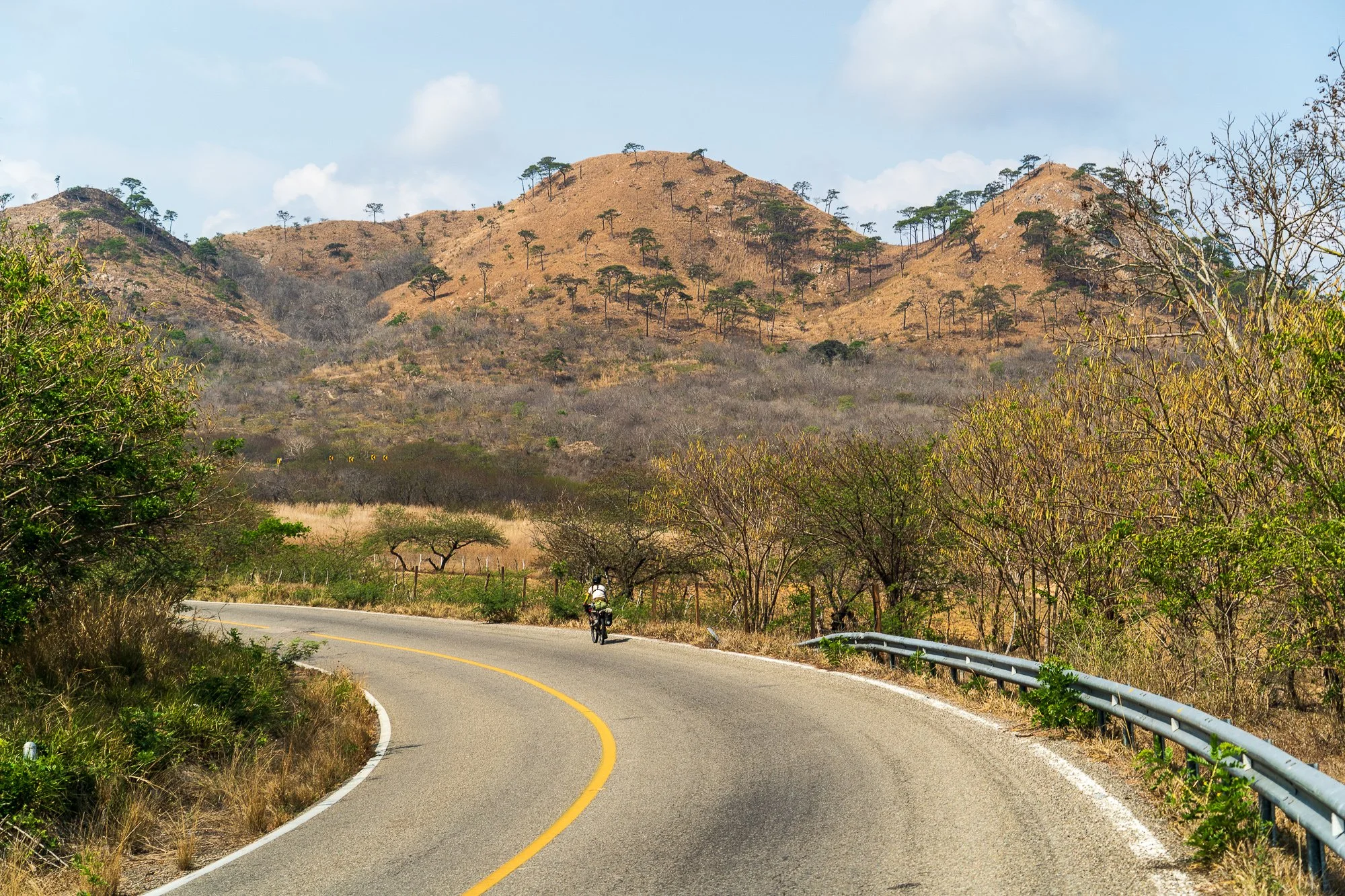
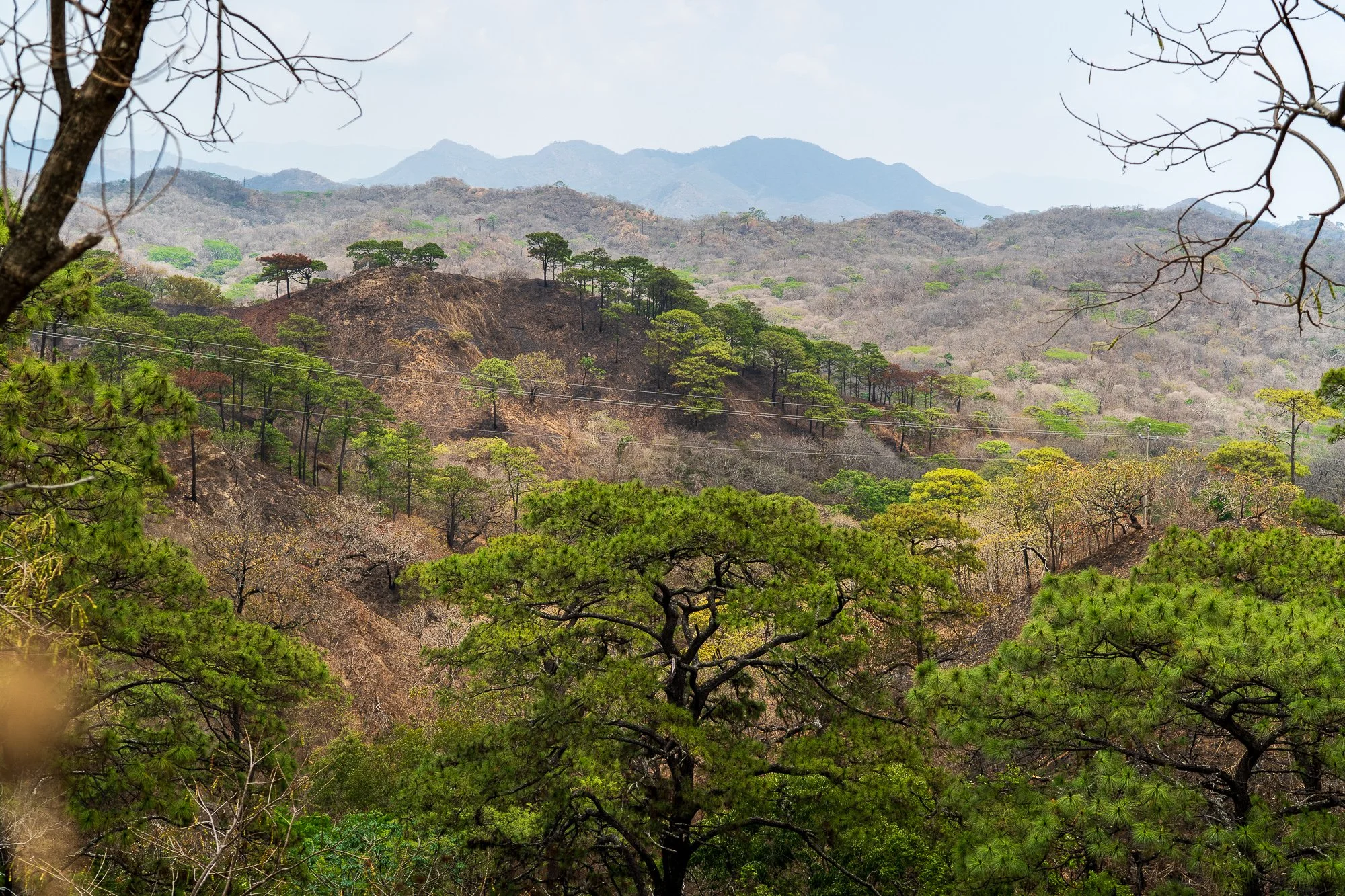
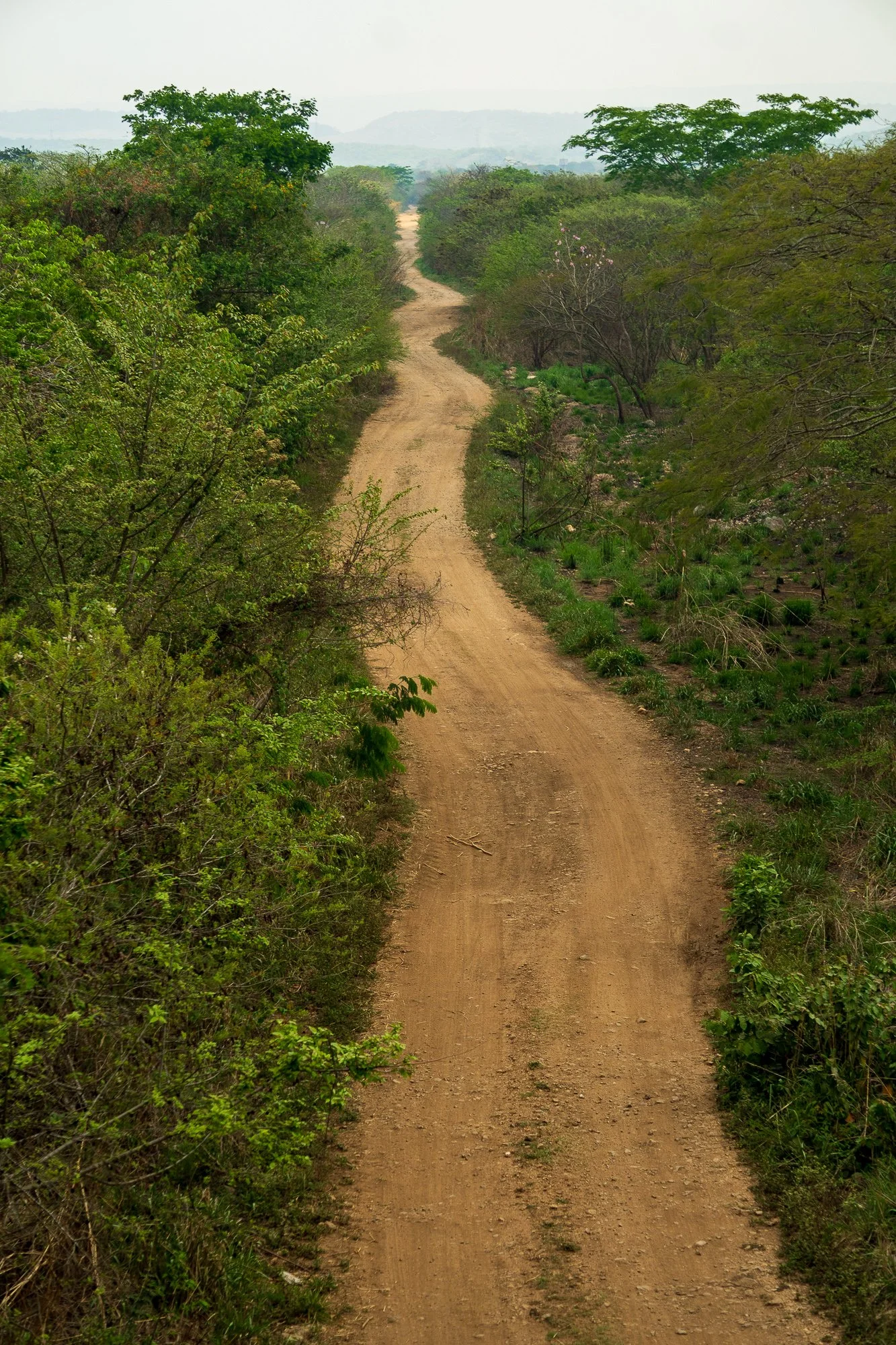
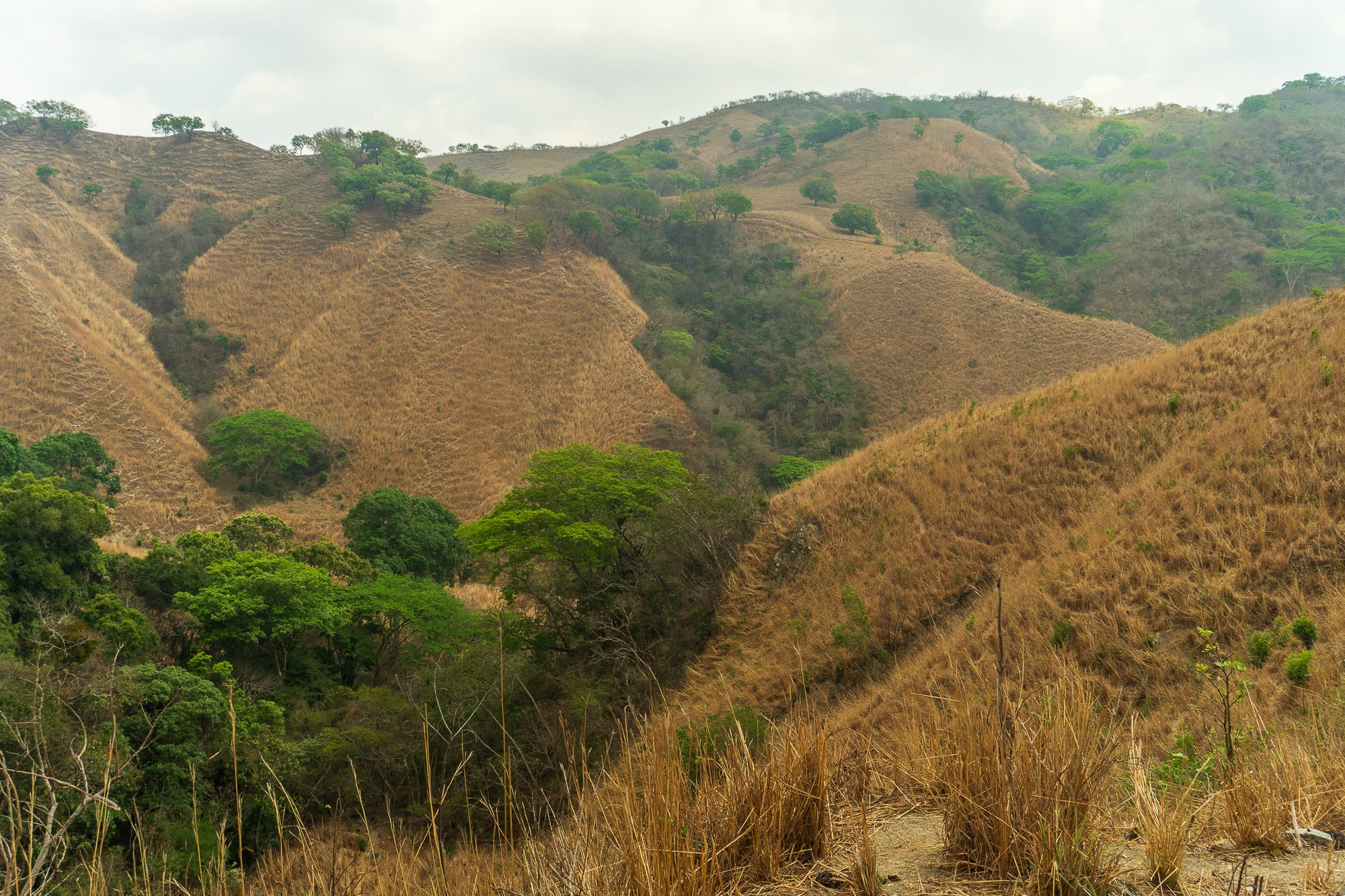
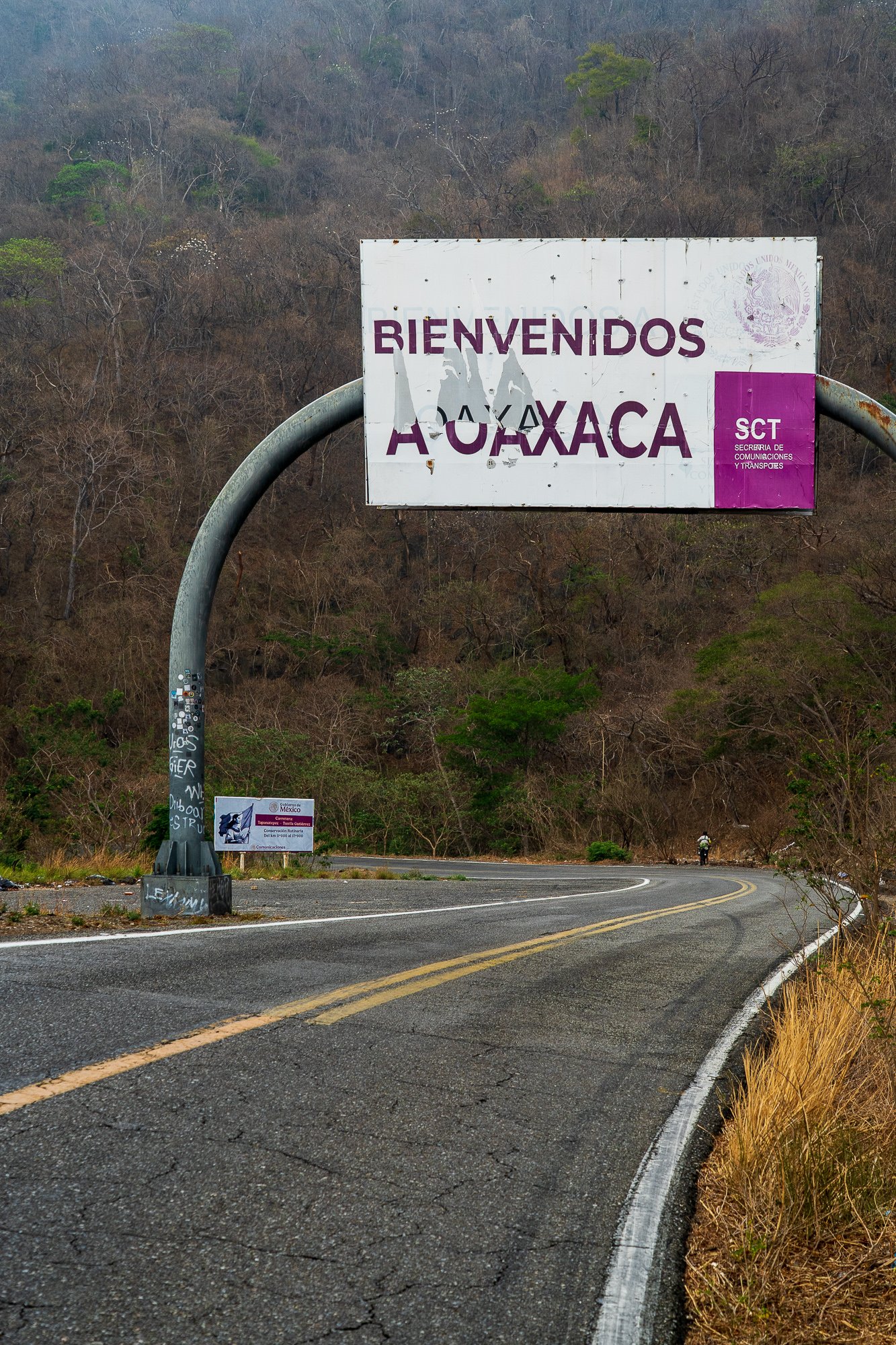
Cycling from Chiapas to Oaxaca…
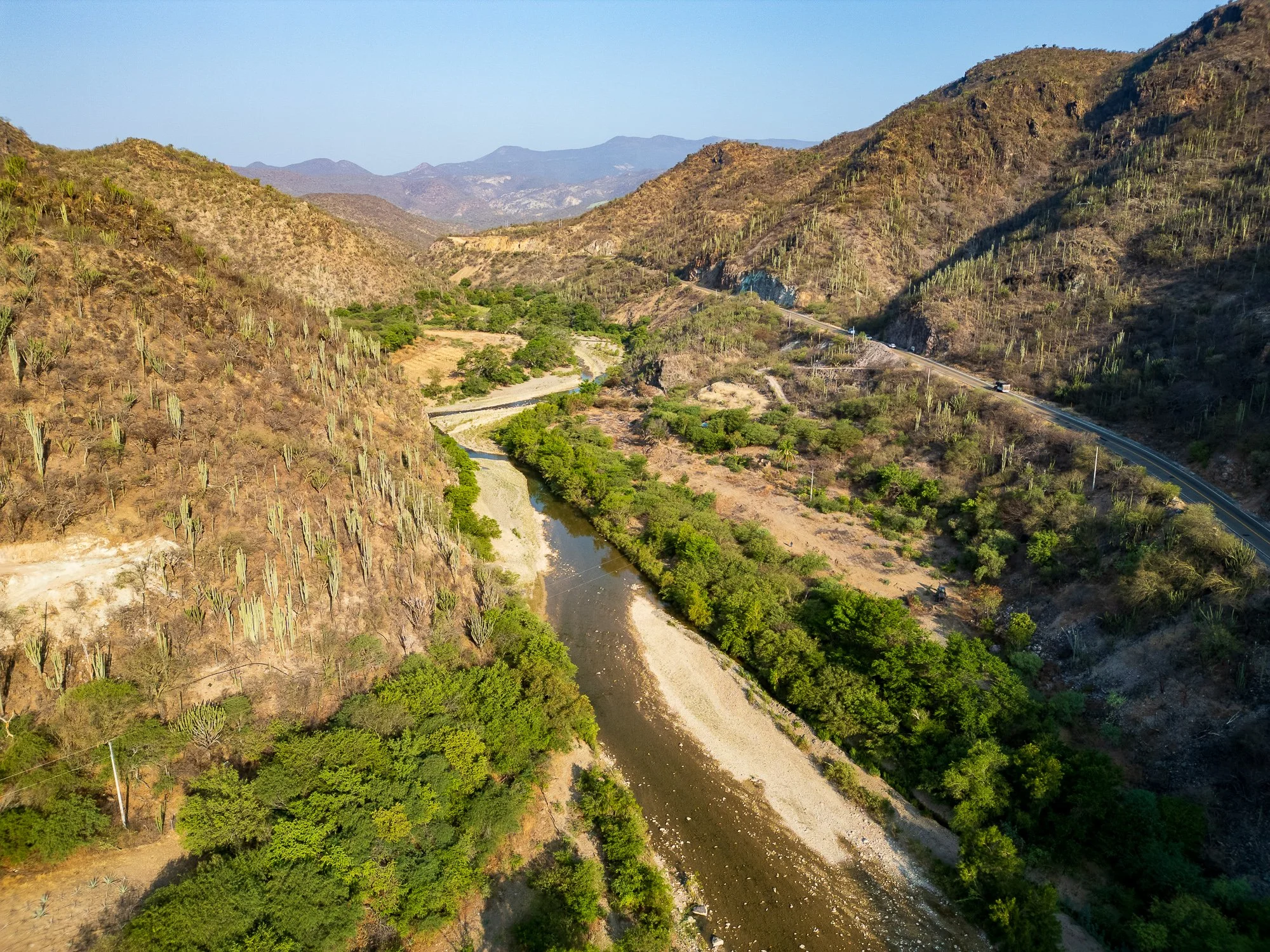
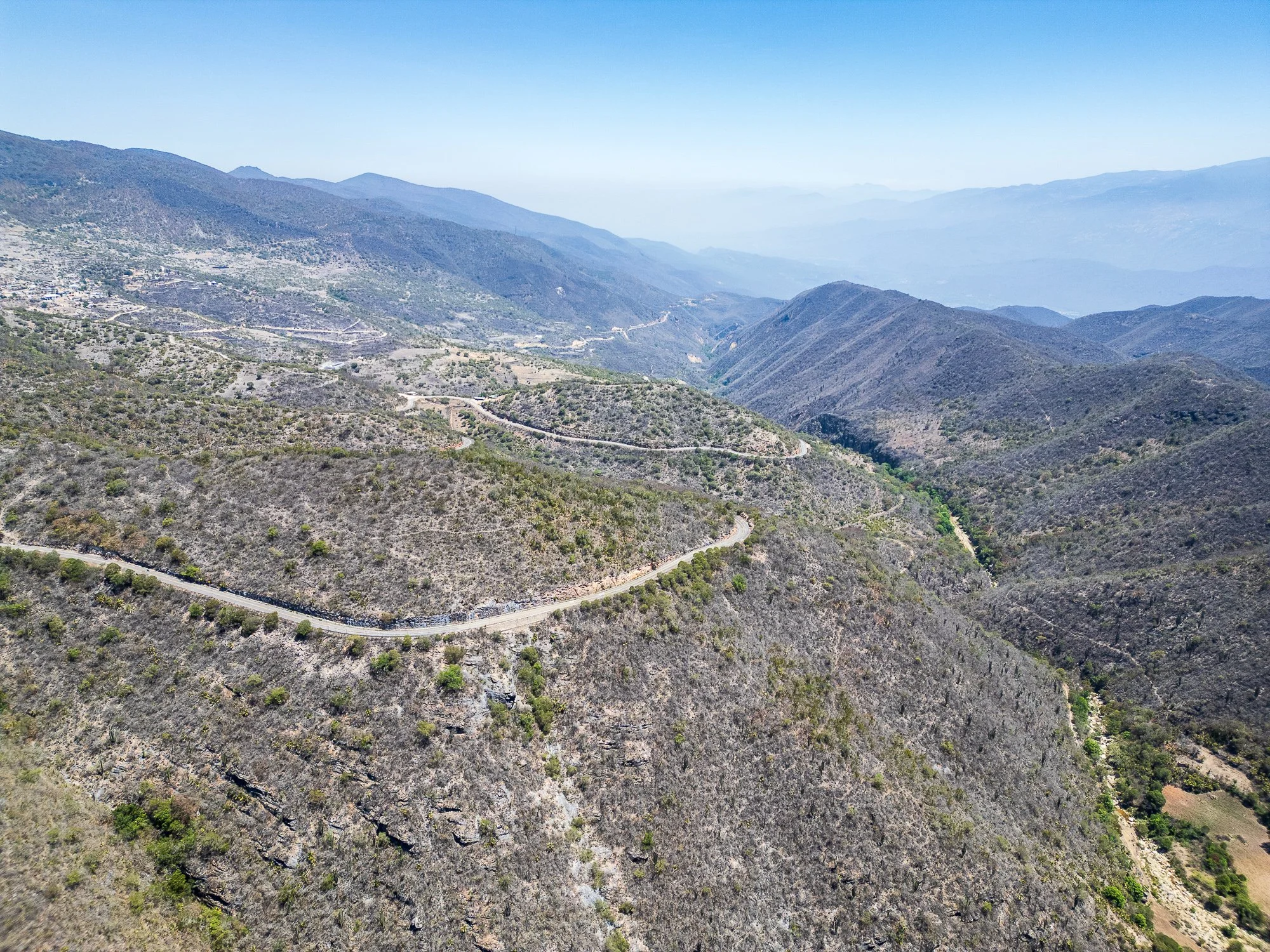
… we immediately notice a difference in scenery. From forests and gentle rolling hills to a drier, more deserty landscape. The violent Tehuano winds die down and the temperatures rise even more. Tall, red and brown canyon walls rise up left and right, and traffic dwindles away. Soon, we are feverishly longing for shade and water. But instead of water, what we find is mezcal.
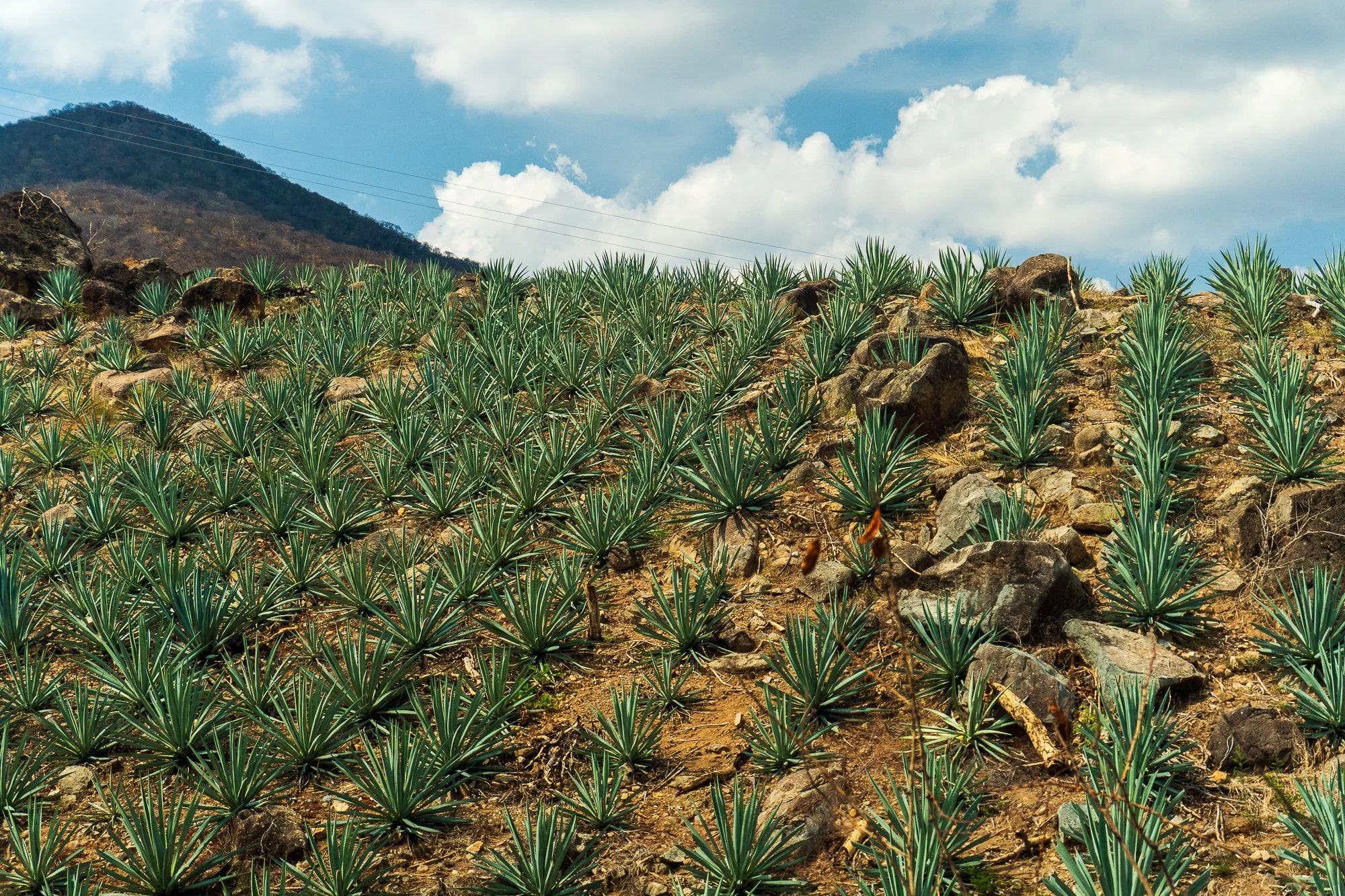
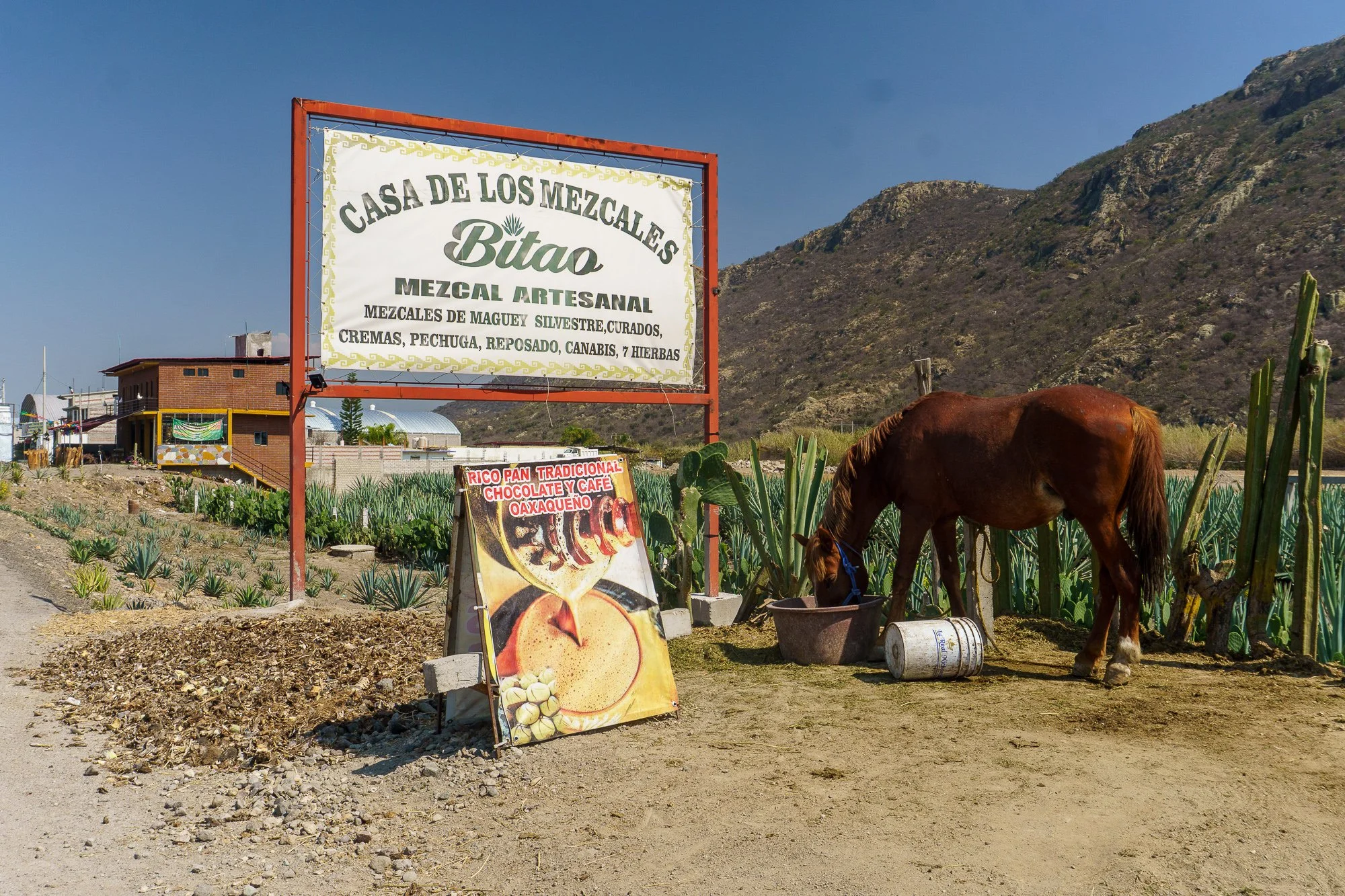
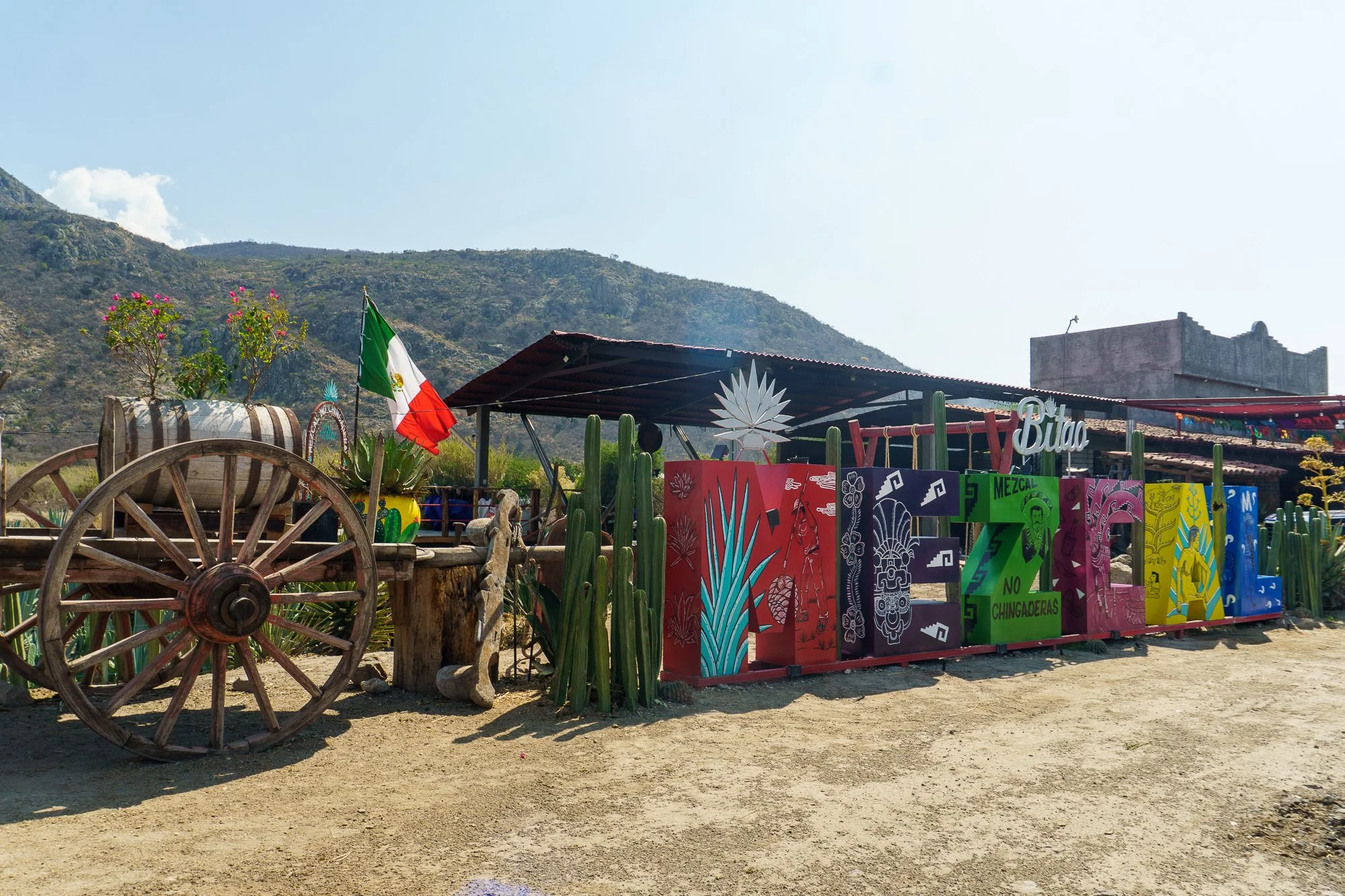
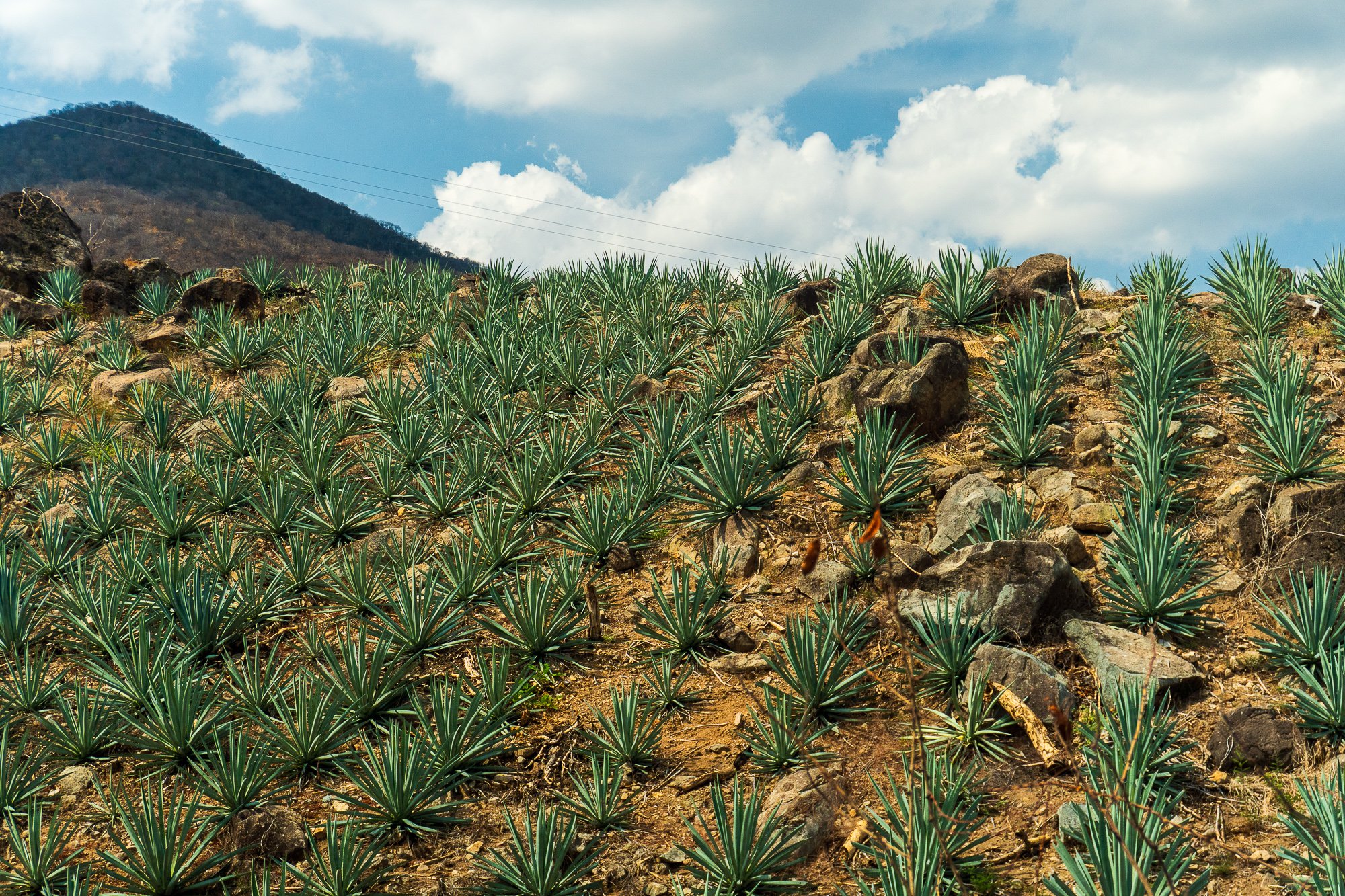
Oaxaca is the capital when it comes to natural and ancestral mezcal production, when mature agave is harvested with machetes and cooked in an earthen or stone-lined pit. All over the road, we would see these stone wheels where the agave would be crushed and later on, fermented. It’s a fascinating process, and different flavours are being sold, depending on the age of the agave and process.
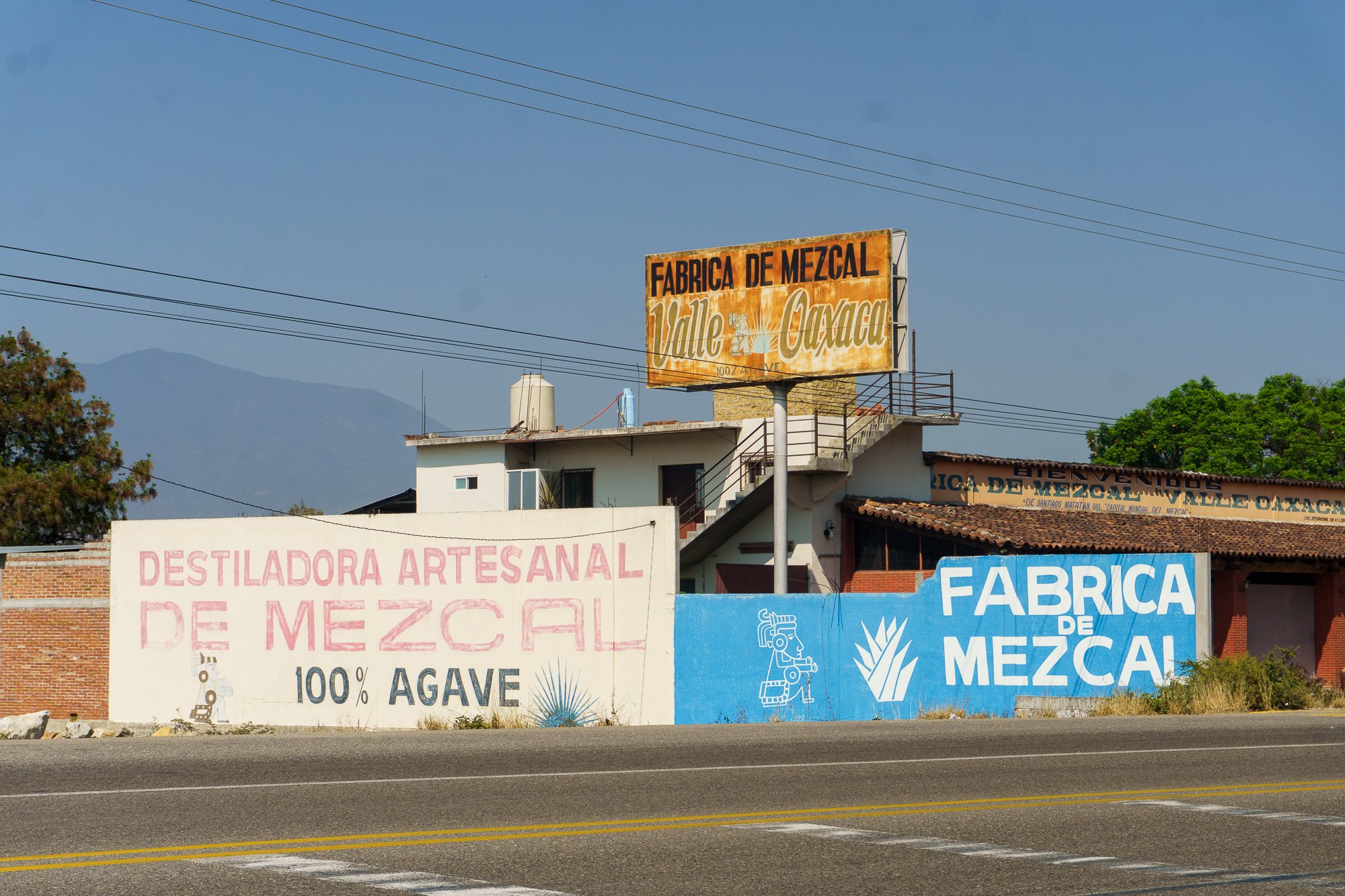
On our way through the mountains to Oaxaca City, we pass one mezcaleria after another. Of course, we decide to support the local economy and try out a few different ones… Let’s just say we had a very good time in Oaxaca. ☺︎
Oaxaca as a Bikepacking Paradise
Oaxaca is not just well-known for its great mezcal tasing opportunities or mole— seriously great stuff, by the way.
It has also gained notoriety as a cycling hub in Mexico, largely thanks to Cas Gilbert, one of the driving forces of bikepacking.com and writer behind the impeccable blog Still Out Riding. We met up with Cas for an evening ride around Oaxaca, which undoubtedly has some really fun gravel roads and stunning sun sets.
Find more on the Oaxaca Bikepacking Routes Collective here.
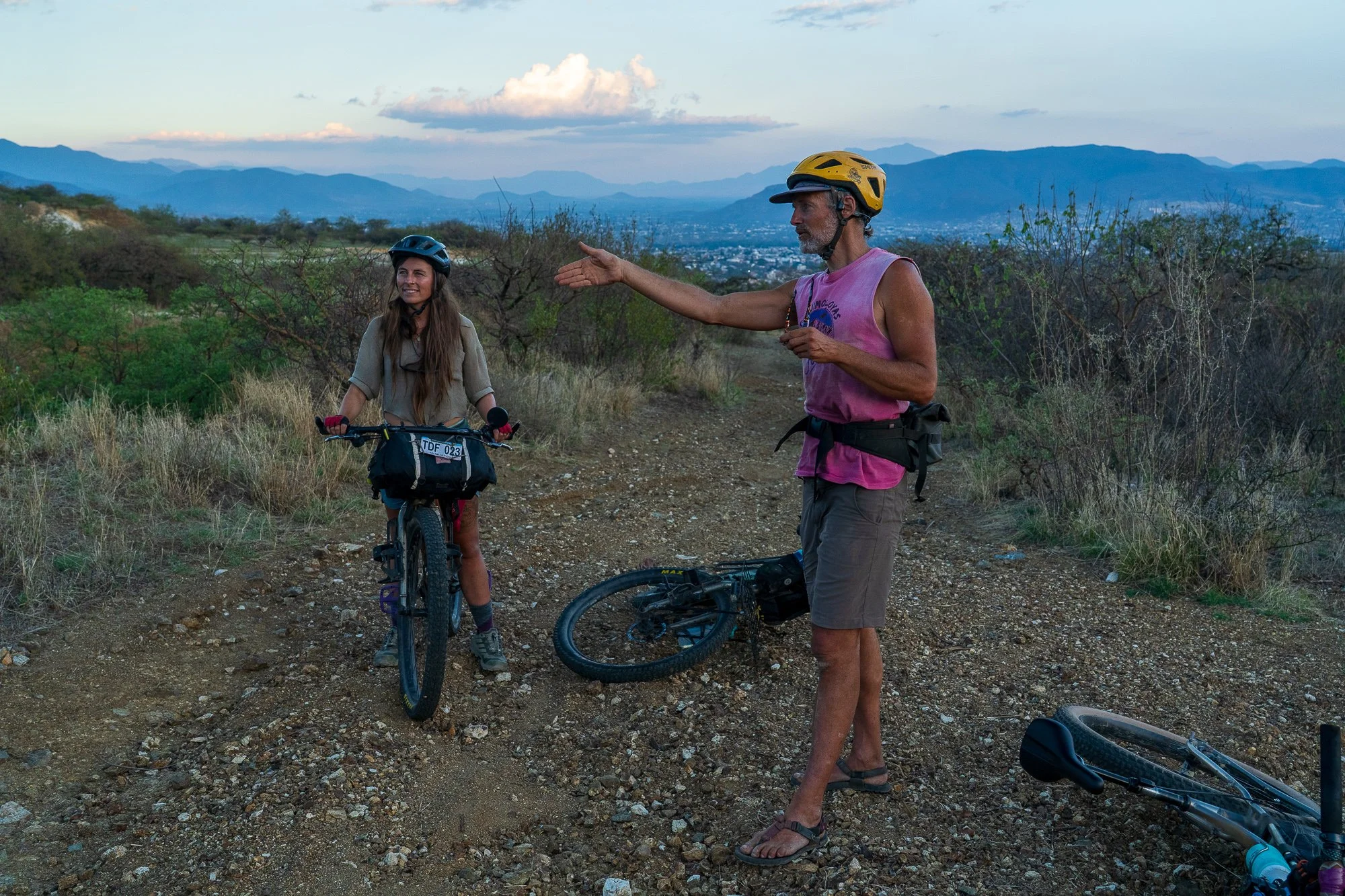
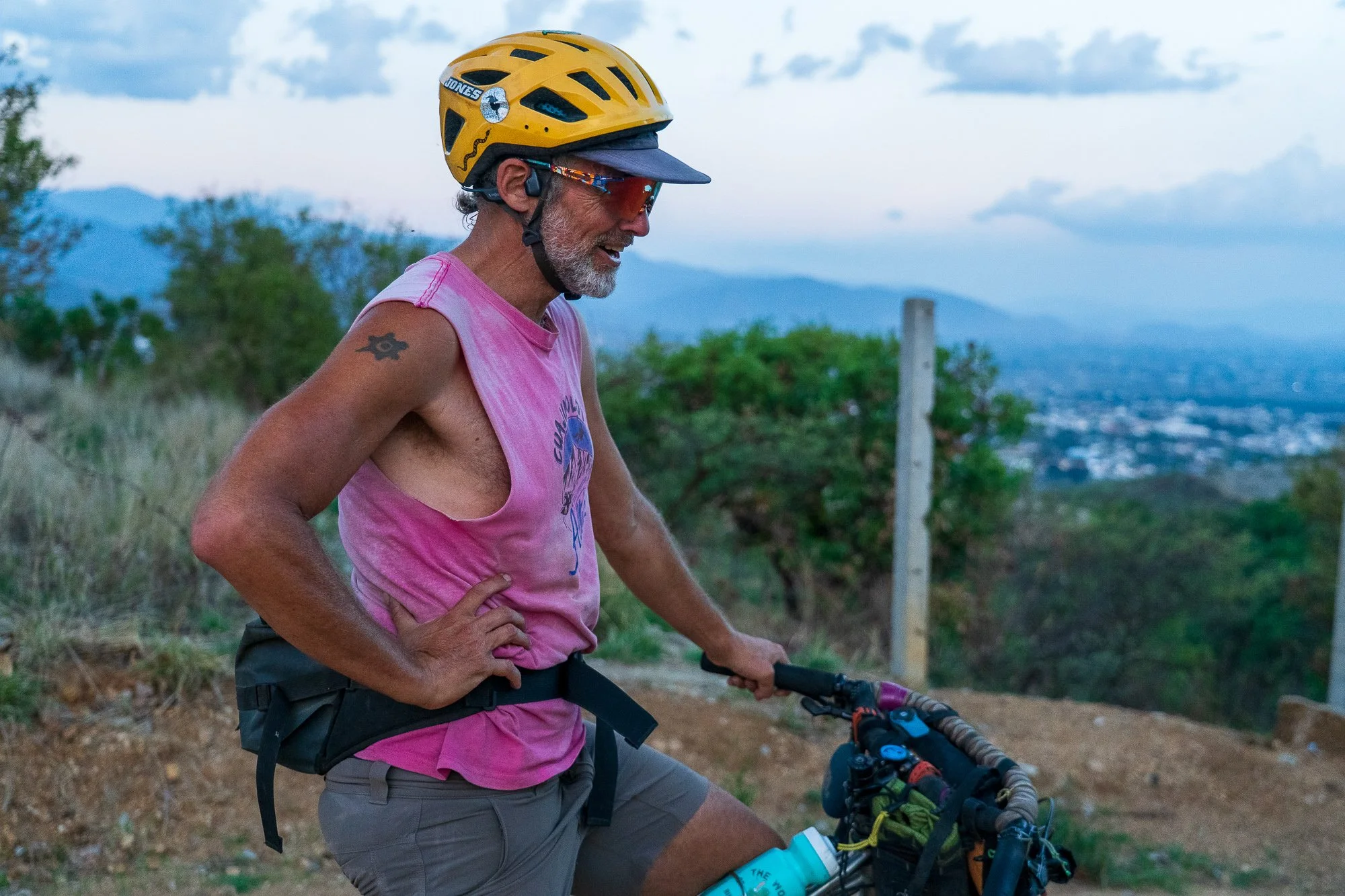
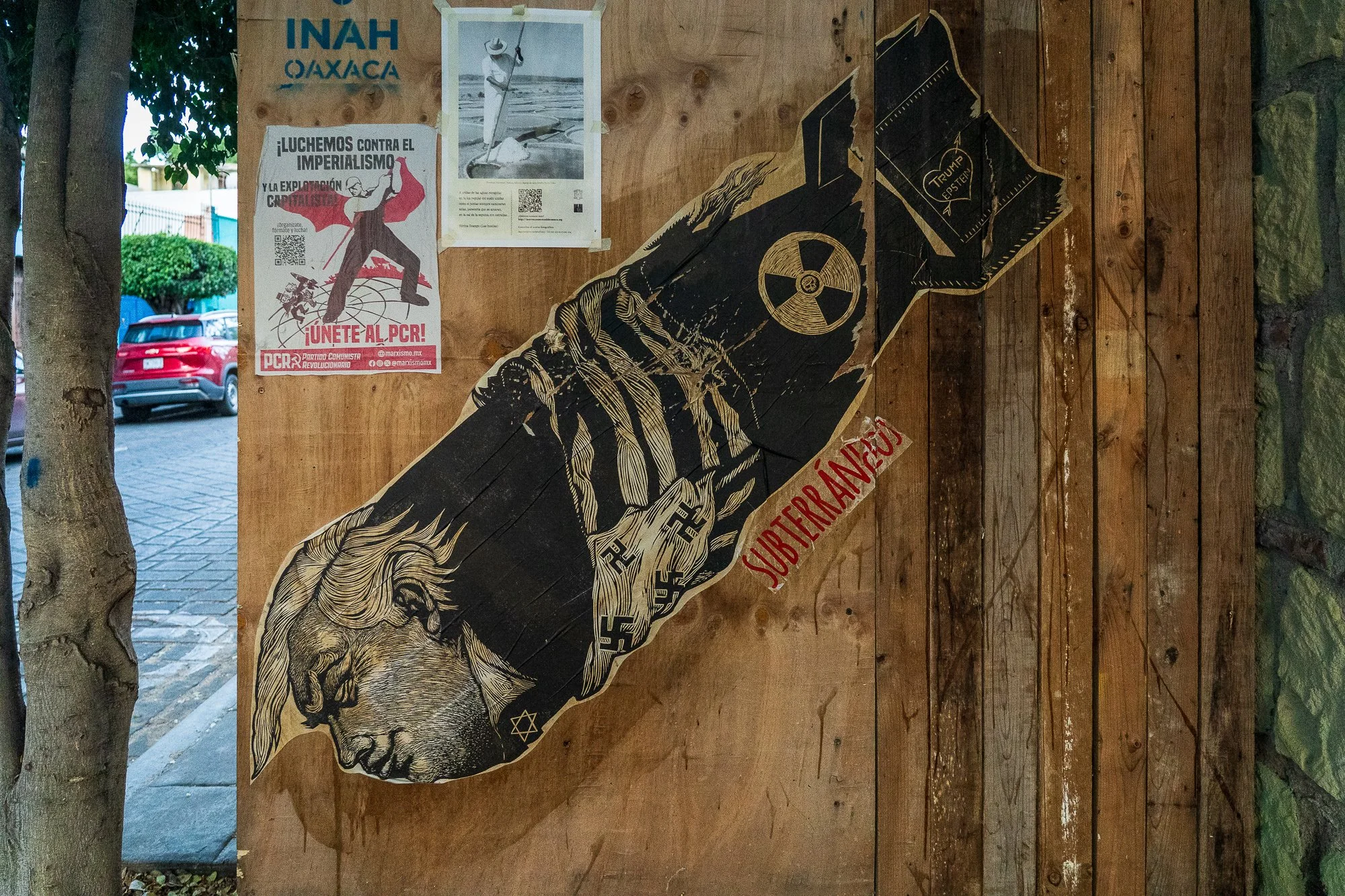
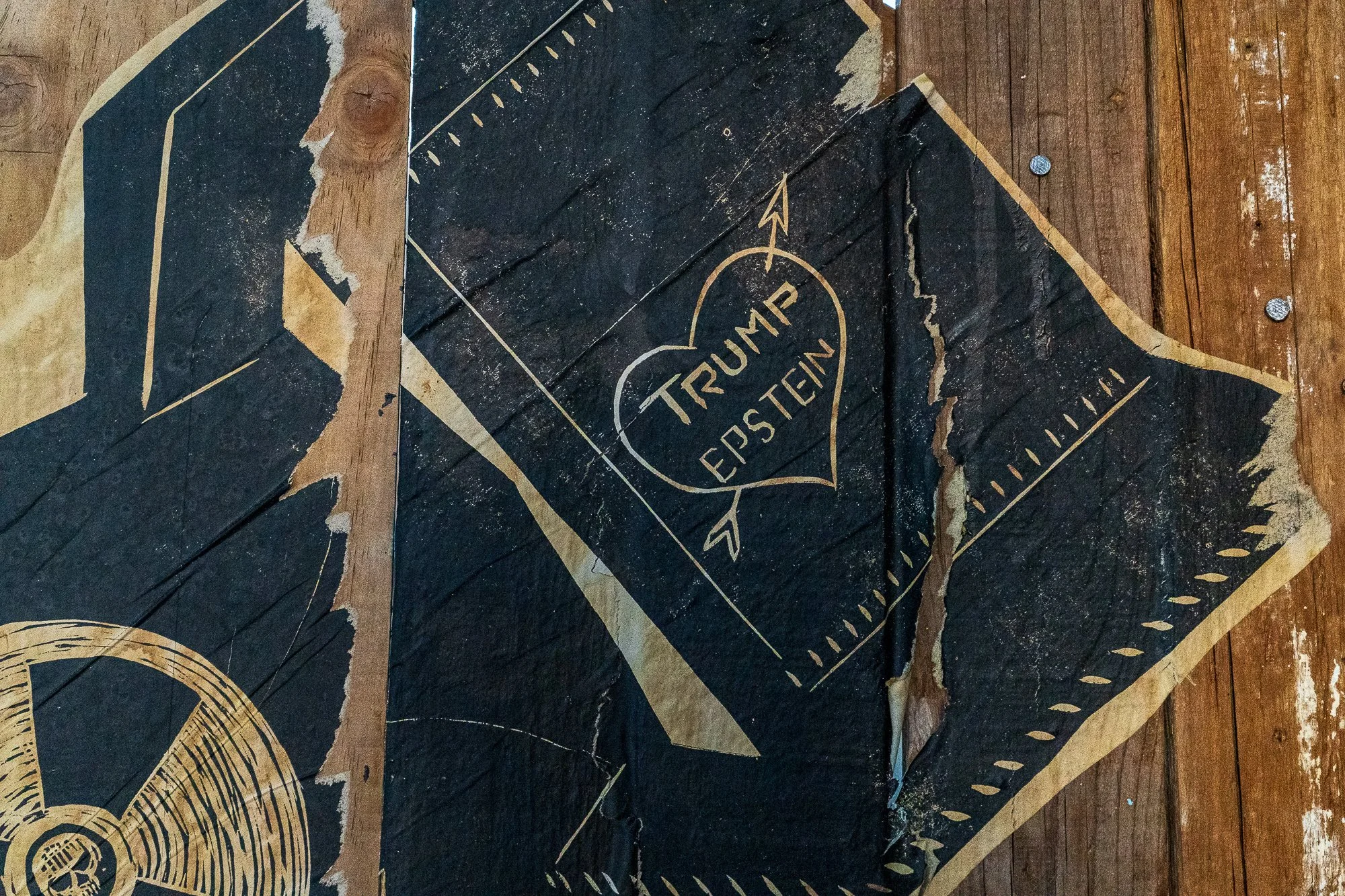
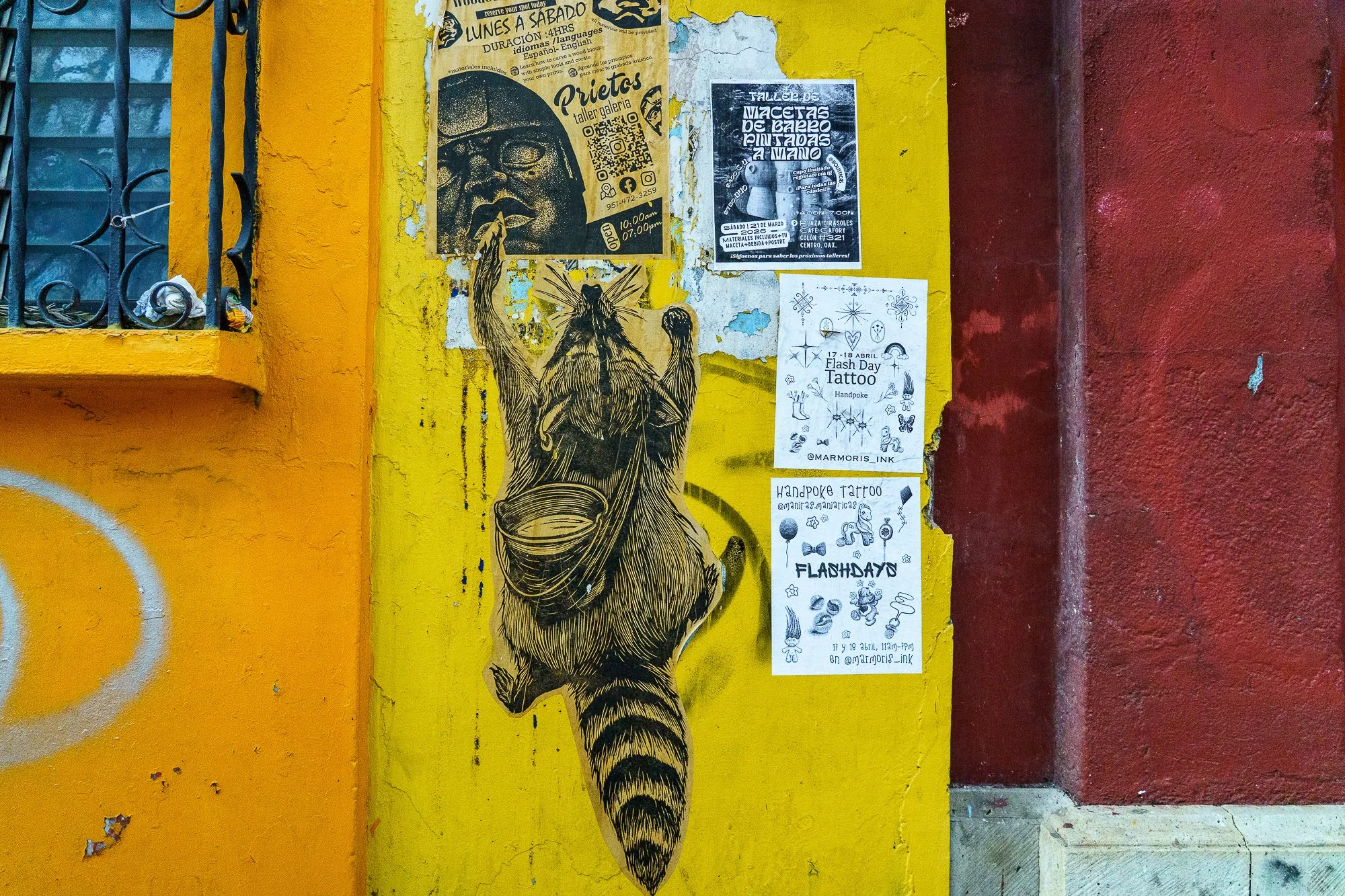
Oaxaca City itself boasts some beautiful architecture, walkable streets, food markets and bold street art. Due to budget restraints — read: costly bike repairs — , we didn't really eat out, but the restaurant and bar scene seemed very cool. The character of the city is undoubtedly rebellious and we found the city honest and straightforward. We’ll be back!
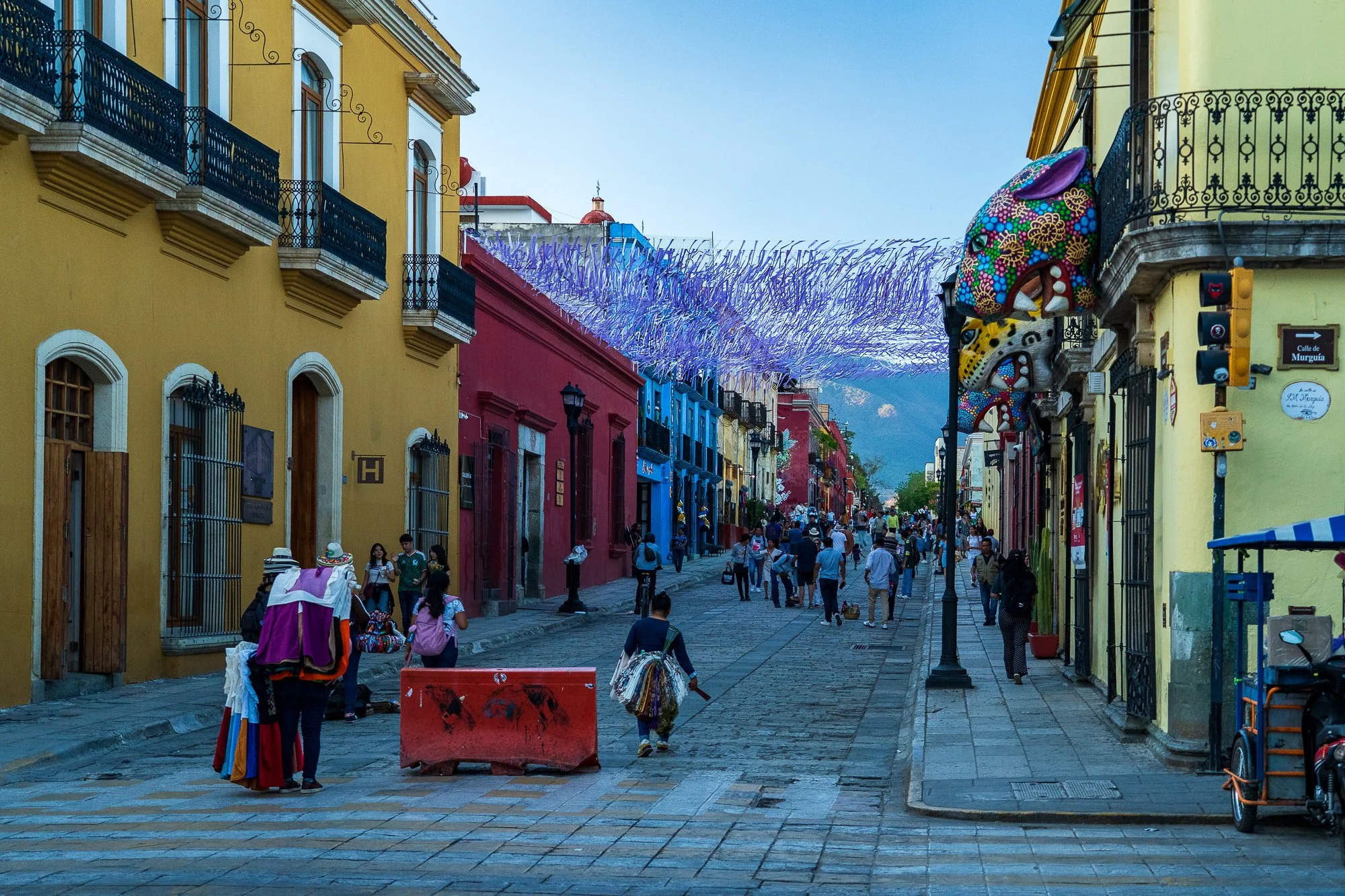

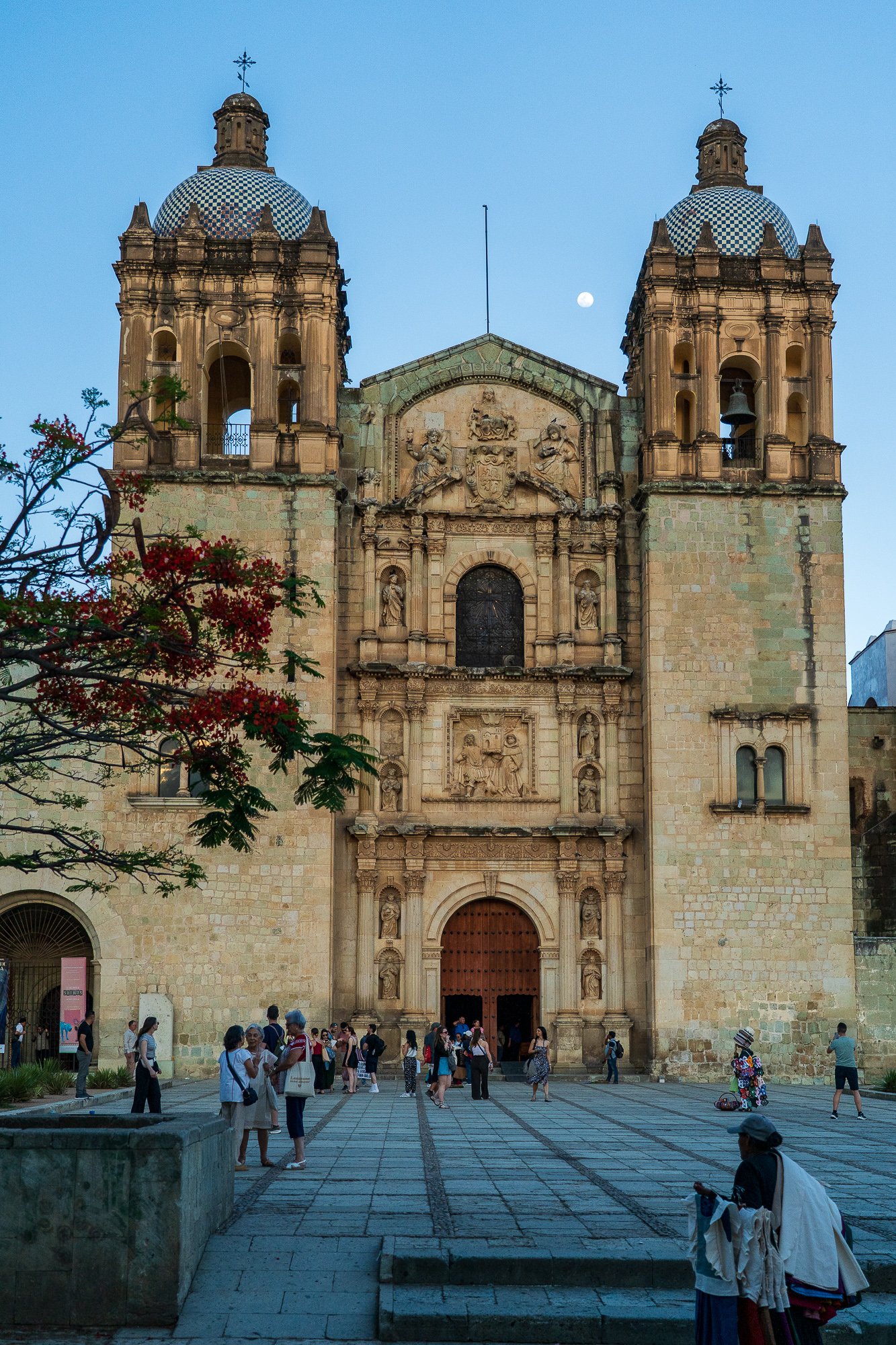
Thanks for reading our trip report of cycling across Mexico! Part 2 is coming online soon— stay tuned :)