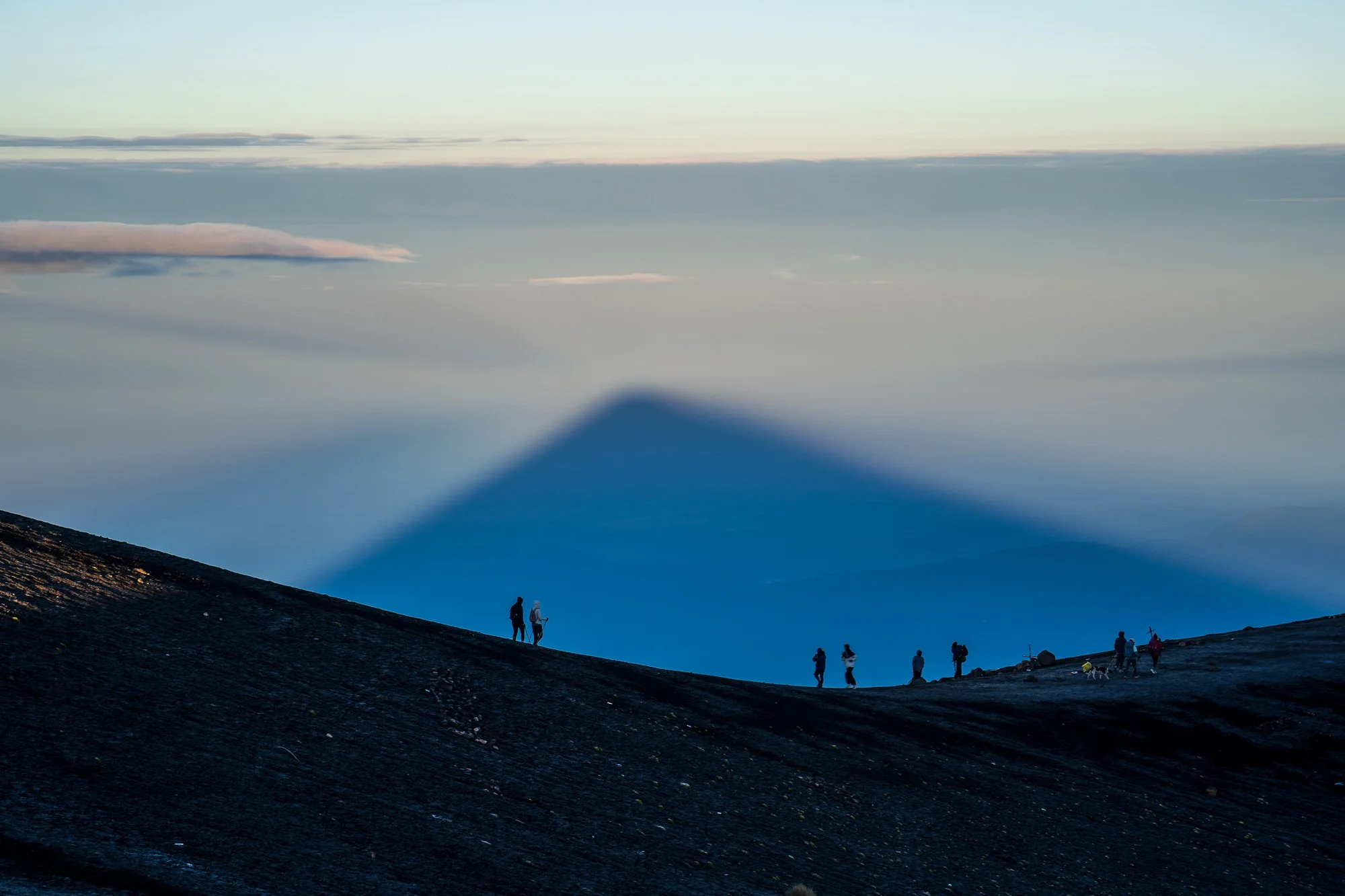
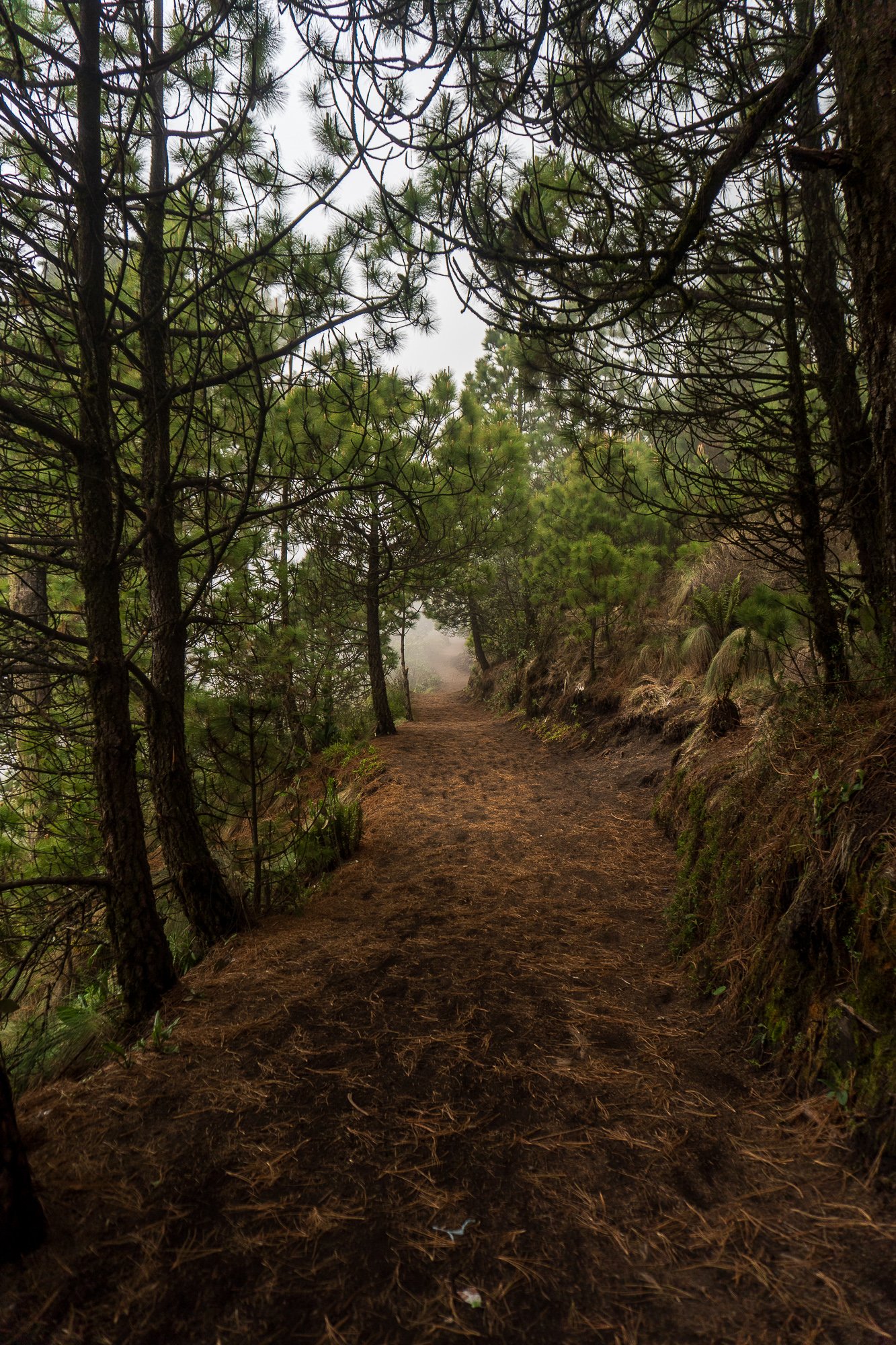
What we Didn’t Know About Hiking Volcan Acatenango in Guatemala
We started our bikepacking journey in Ushuaia and have travelled over 10.000 miles since. After 1 year in South America, we’ve landed in Central America and explore the cluster of countries leading us to our final destination.
Thanks for reading along! You can support our journey by becoming a Patreon member and access live updates, stories and early video-releases — and maybe even a postcard from our next destination. Cheers!
Social media is a strange place, isn’t it?
It’s a place where the sun always shines and the stars never cease to twinkle. We’re looking pretty cool, showing off some cool stuff or posting pictures from cool places. My social media feed is mostly filled with hiking gear and bicycles, aesthetic outdoor adventures and camp spots.
And you know what? I, too, plead guilty to all of the above!
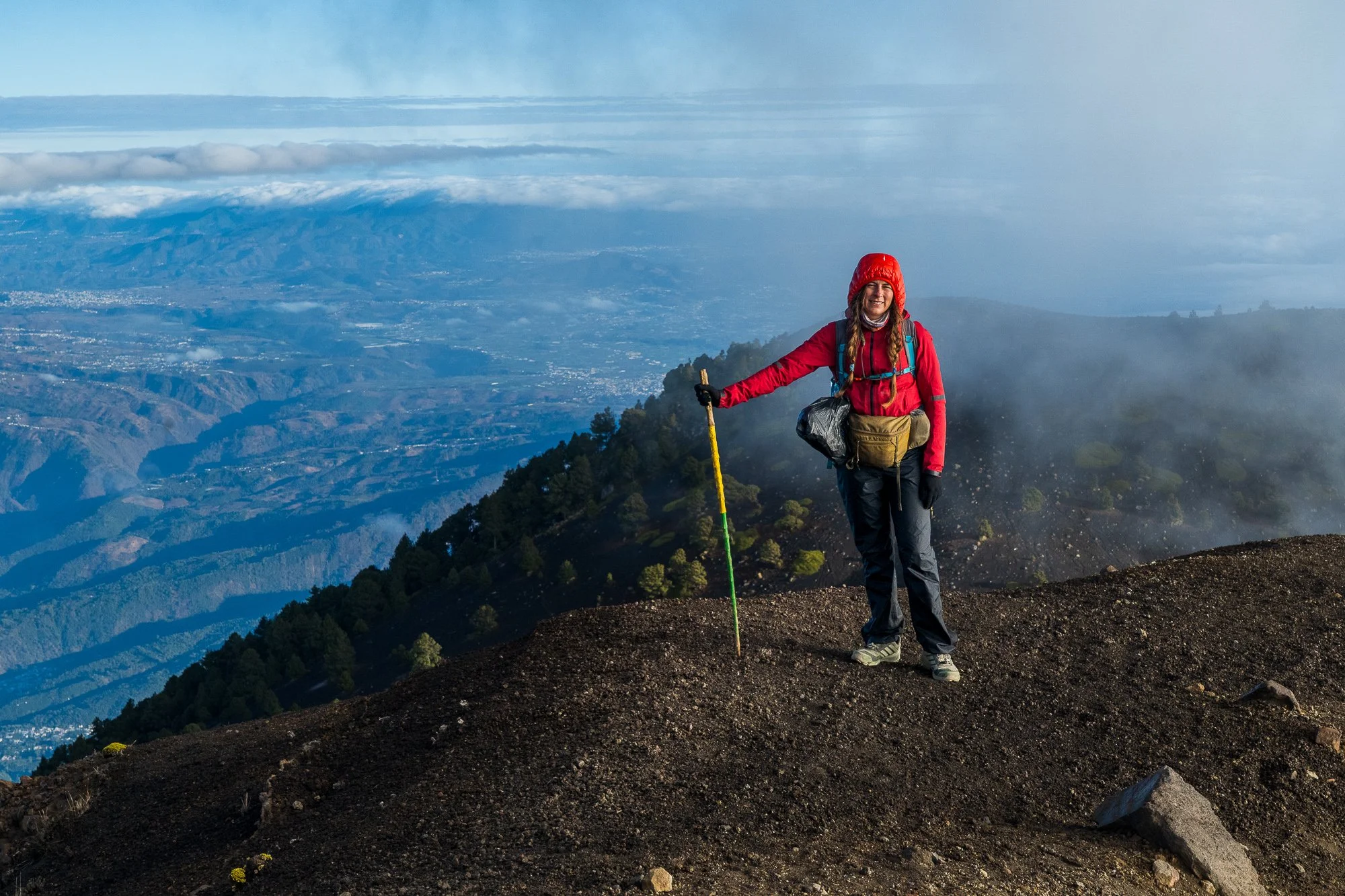
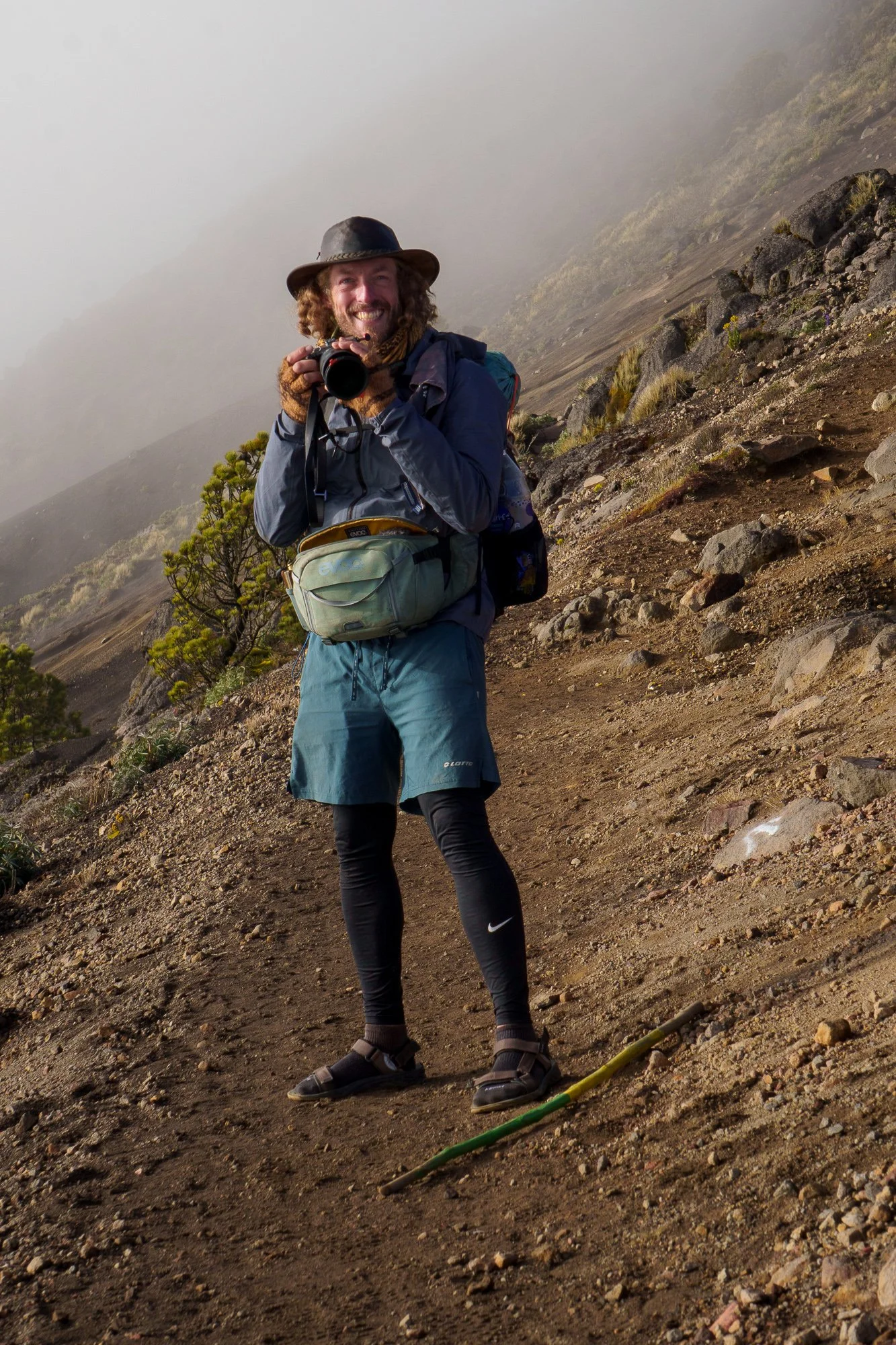
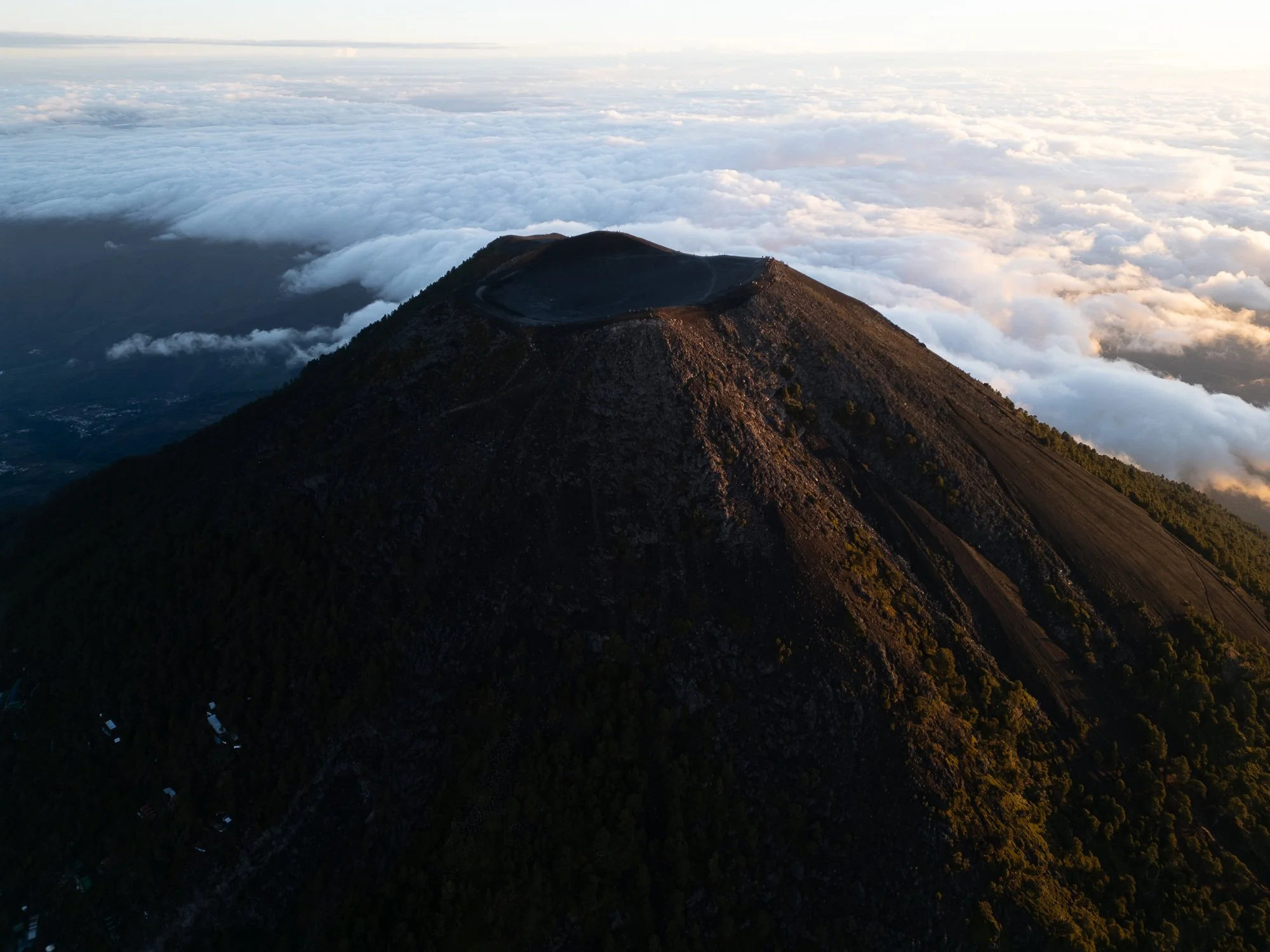
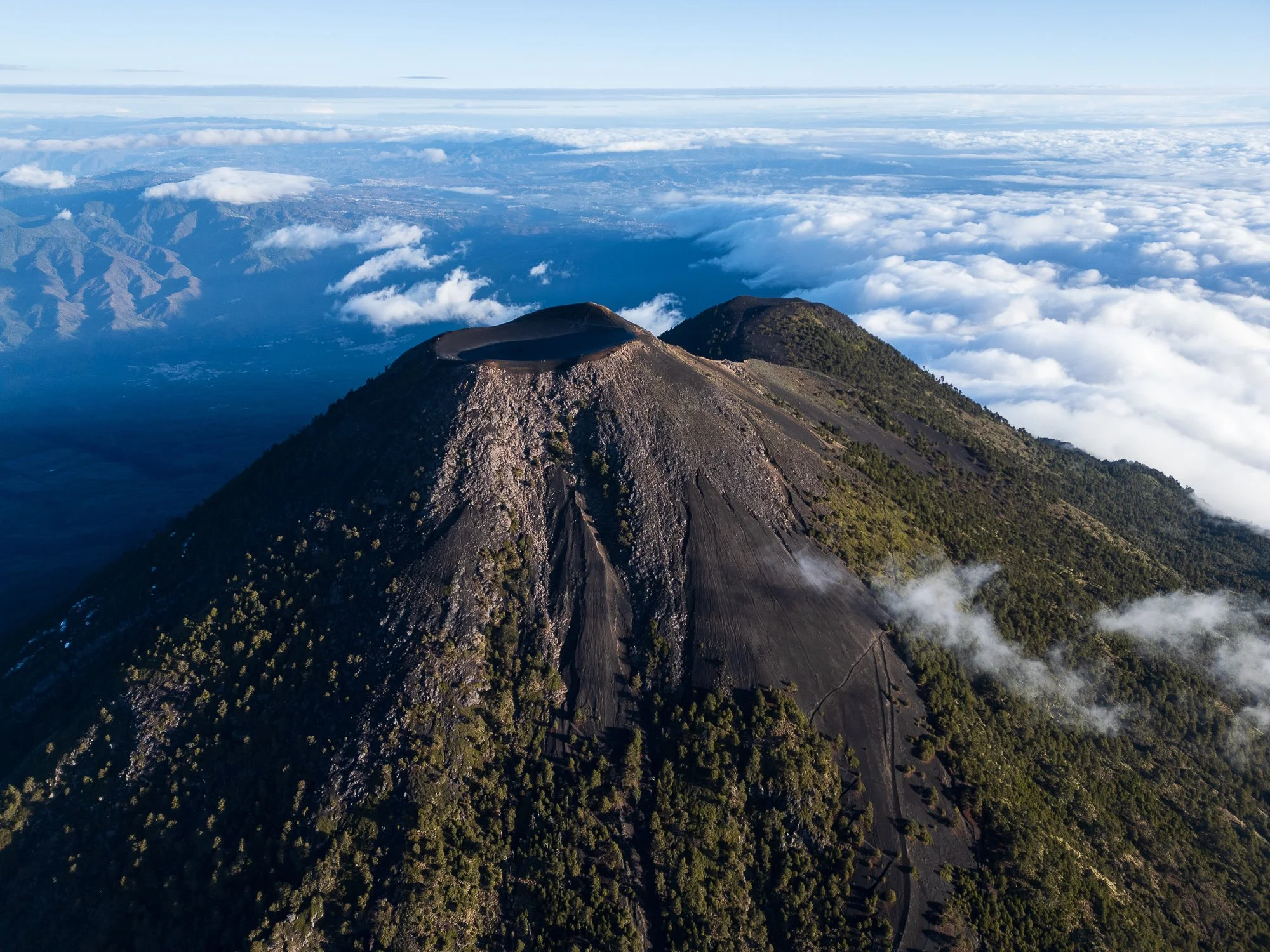
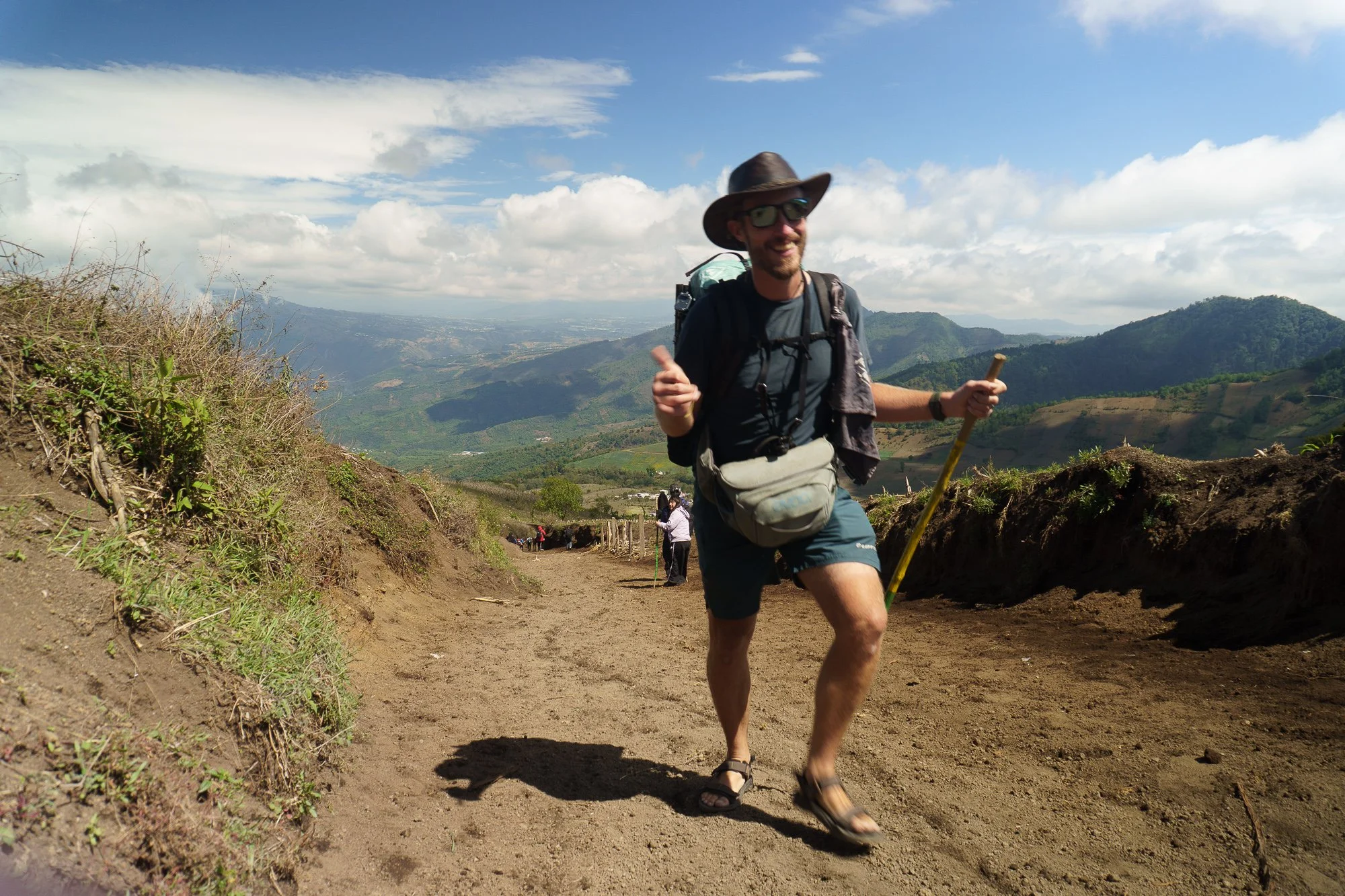
Atop the famous Volcan Acatenango, 3,976 m or 13,045 ft.
But what we often tend to forget — myself included — is that highlighting these real-life outdoor spaces can impact them in a major way. That’s why a certain awareness of the impact we leave whenever we geotag or encourage masses of people to visit a certain place, is highly necessary.
Let me give you an example of what Ryan and I experienced a few months ago.
We’d been cycling through Guatemala for almost a week when we rolled into the popular town of Antigua. Previously, we mostly passed through lonesome farmlands, alternating with crowded cities and polluted roads, eating tostada’s and talking to friendly Guatemalan families.
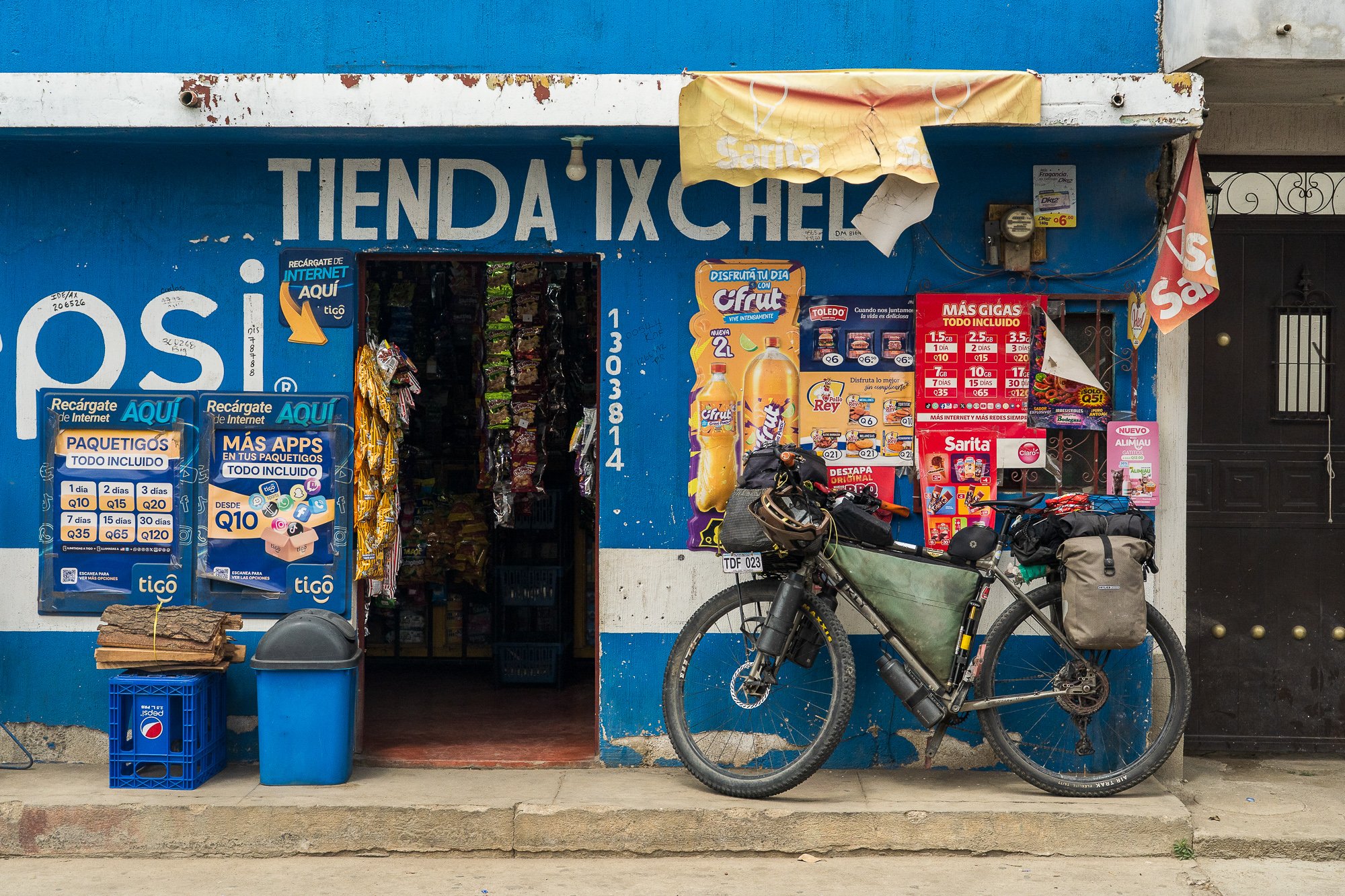
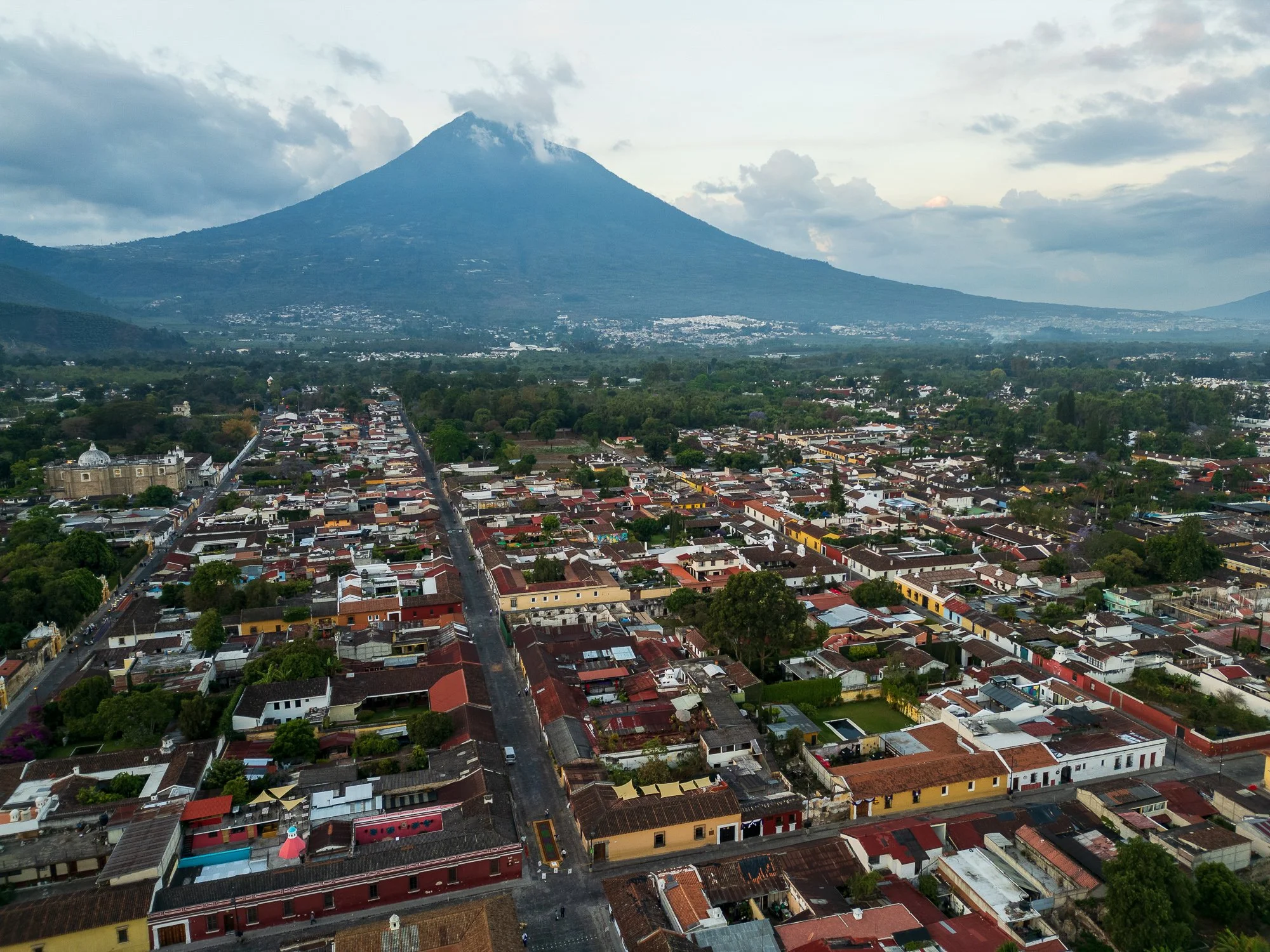
But once we arrived in Antigua, the environment drastically changed… and so did our social media feeds.
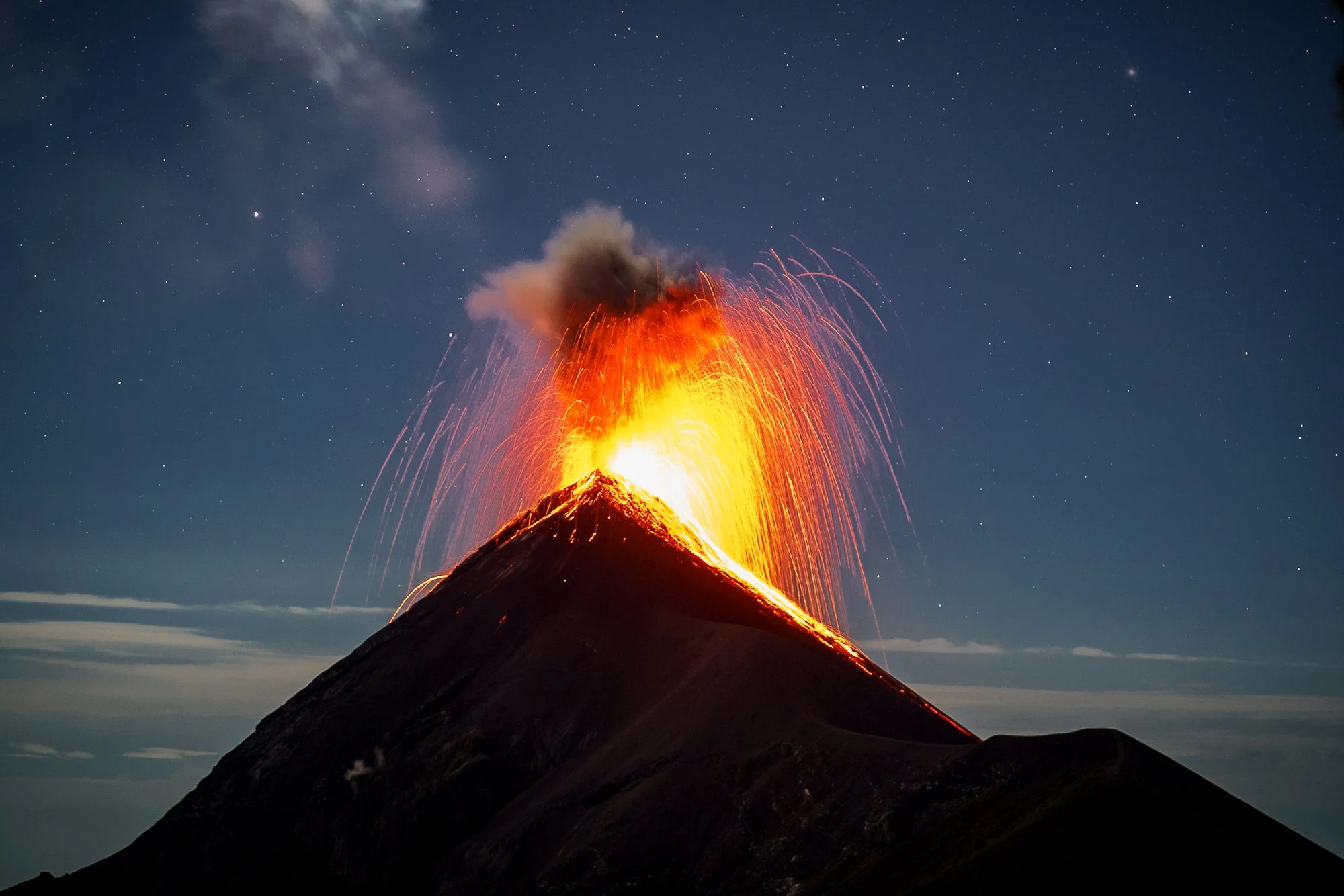
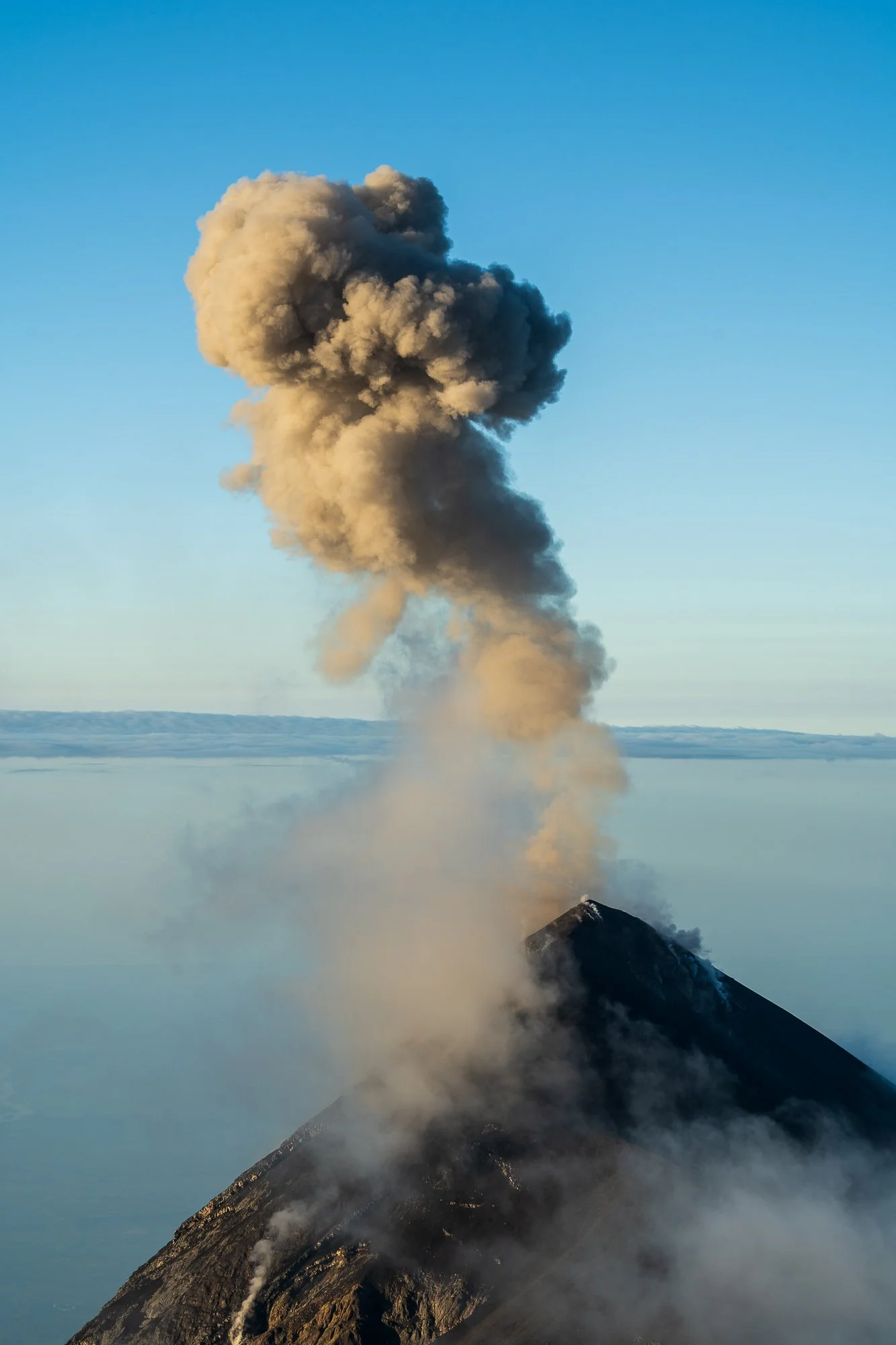
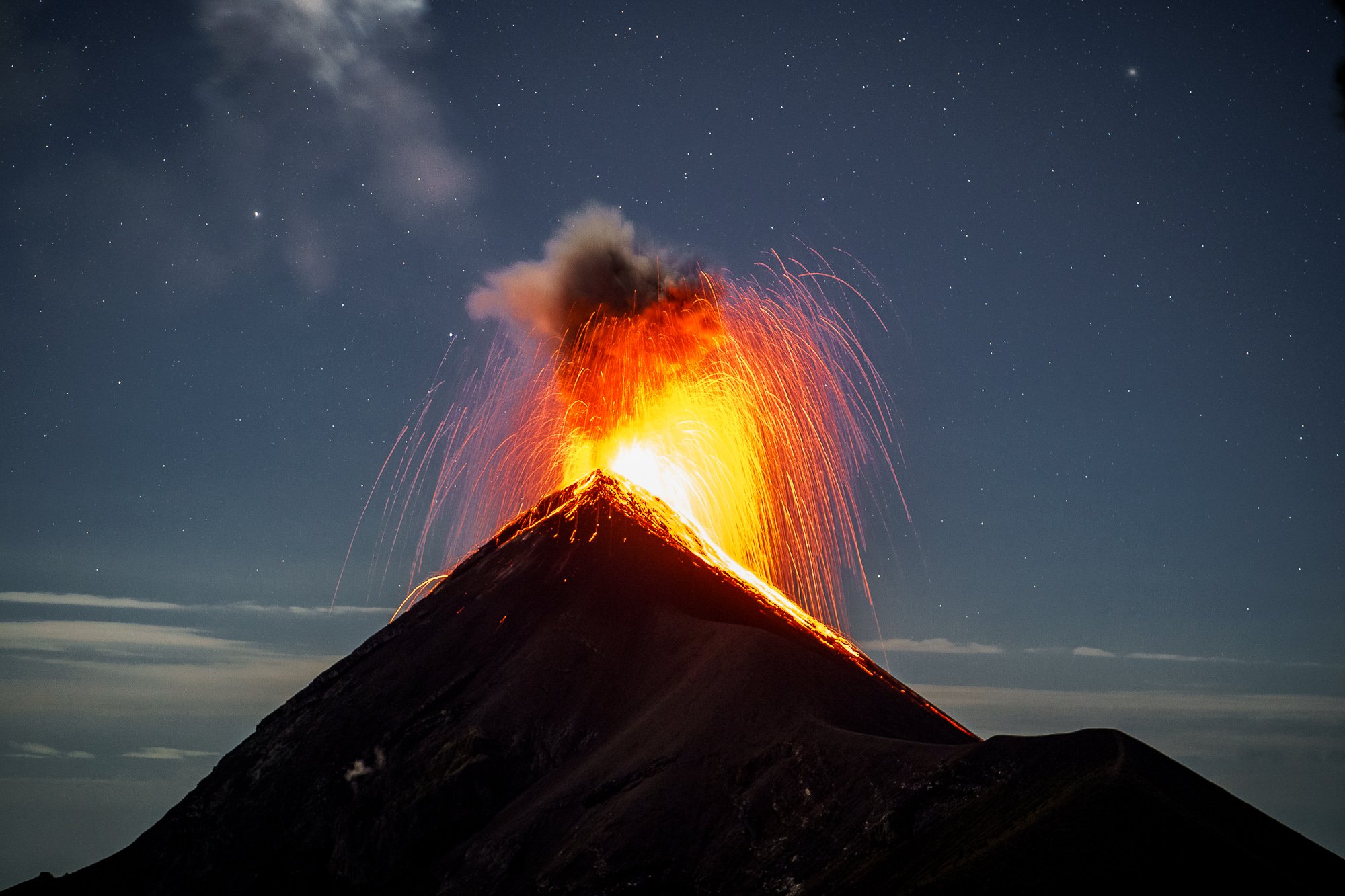
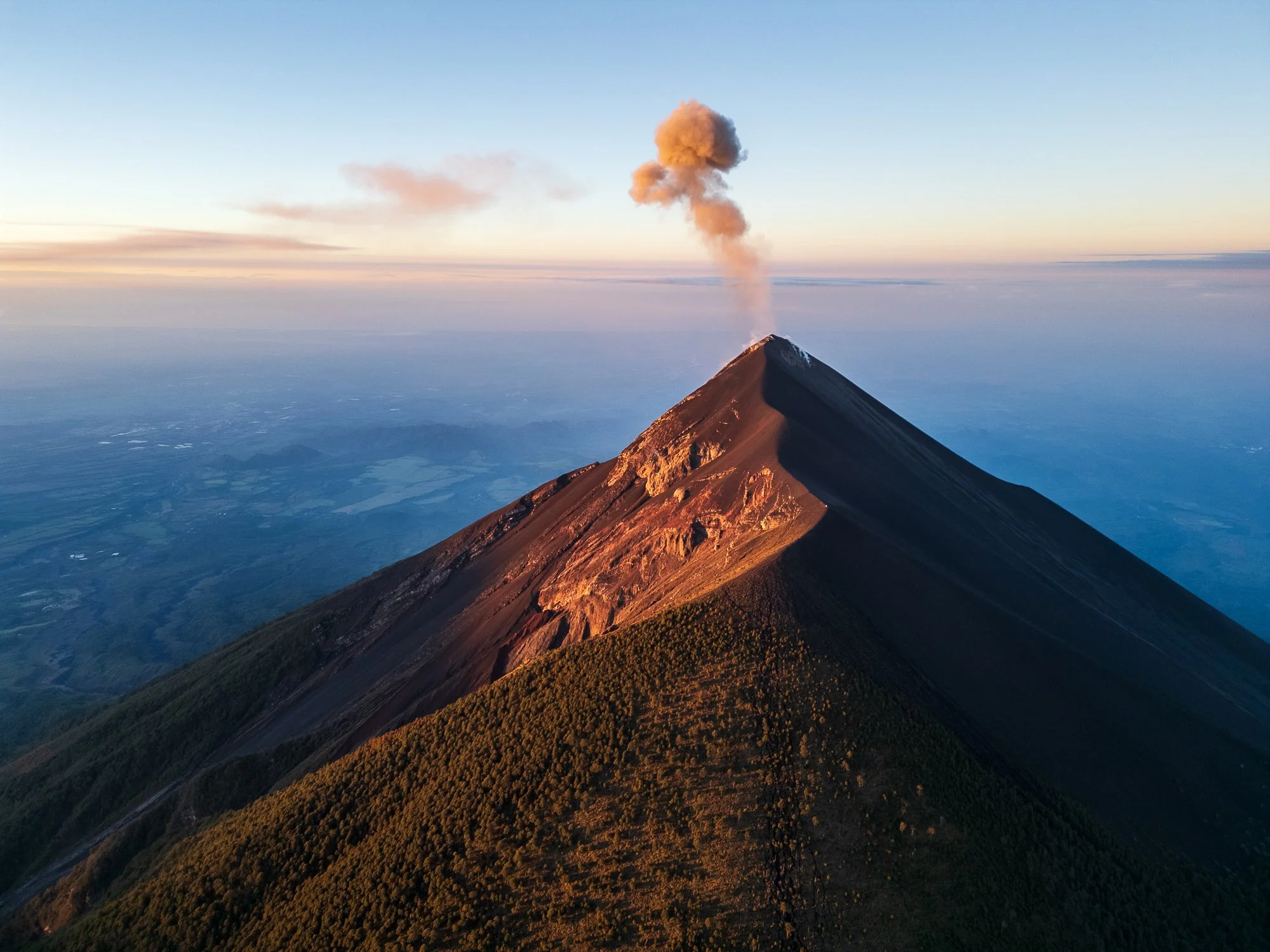
All of a sudden, the price of our tostada’s went up 50%, English signs were pointing towards the nearest coffee bar, and even our phones underwent a change! On Instagram and Youtube, our feeds were overflowing with videos and photos of Antigua hotspots, fancy pizza restaurants and shots of erupting volcanoes. Of course, I’m talking about the breathtaking eruptions of Volcán Fuego, one of Central America’s most active volcanoes.
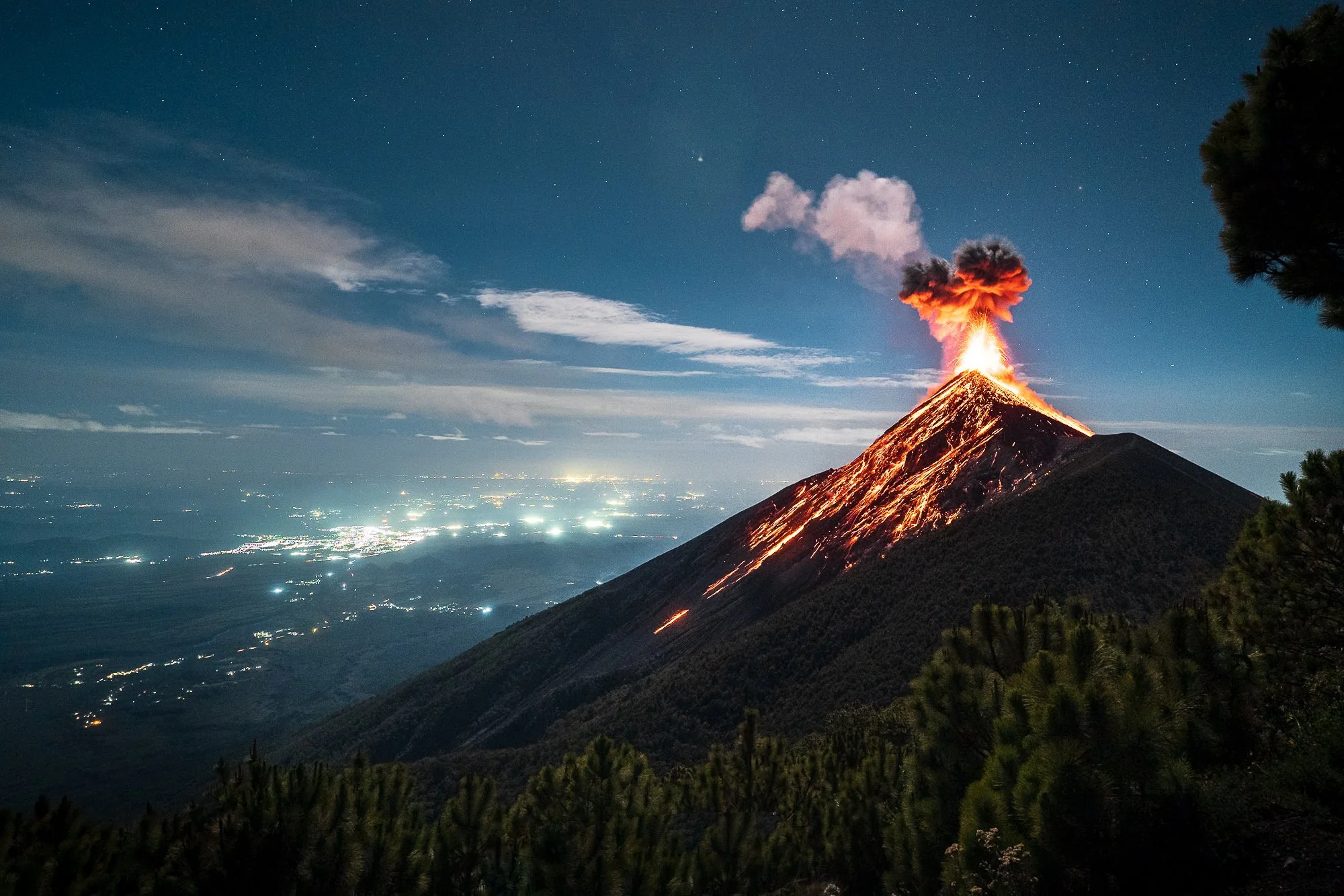
Ryan had visited Antigua and its surrounding stratovolcanoes 10 years earlier…
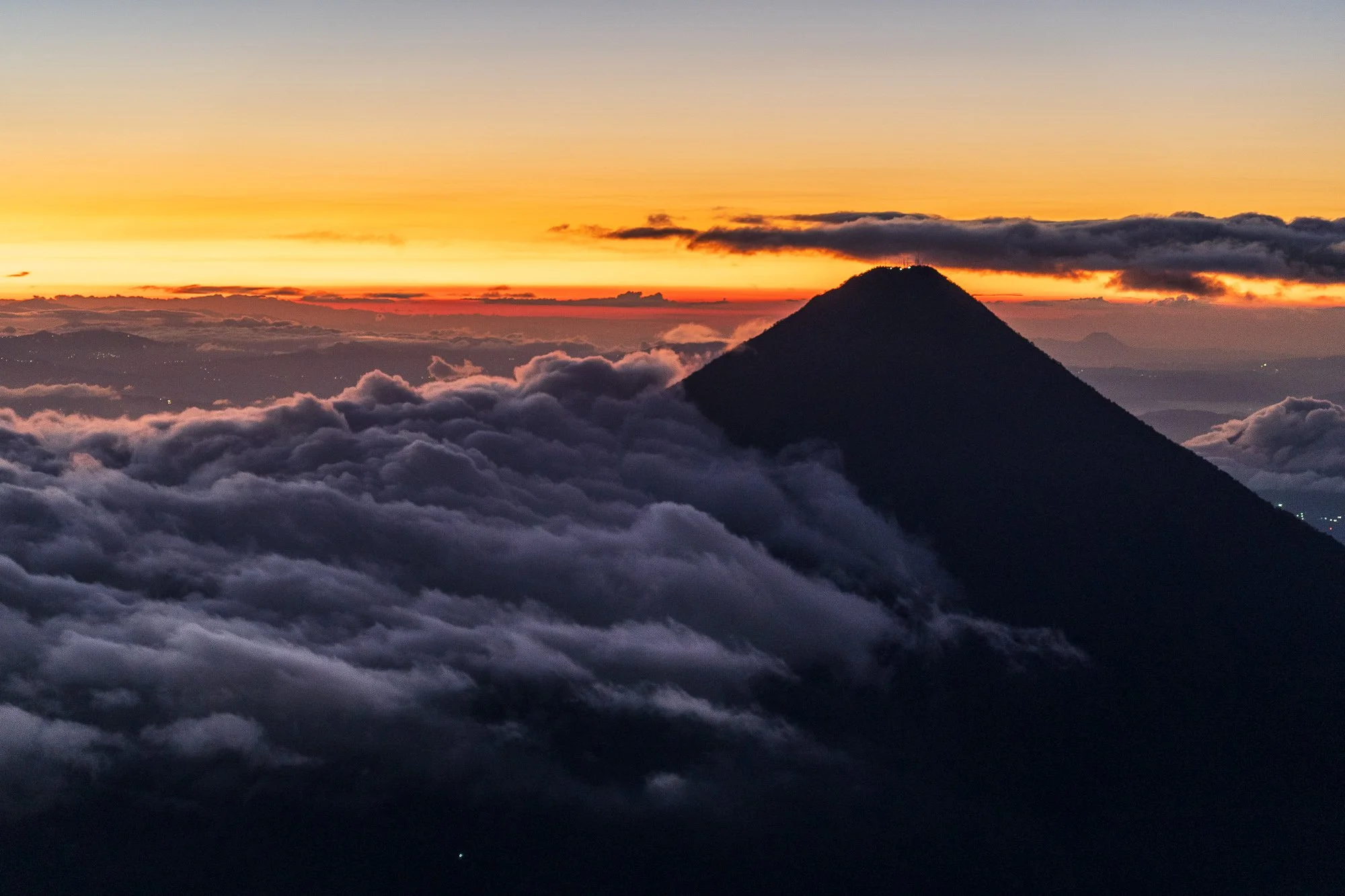
… during a bike trip from Vancouver to El Salvador. At that time, mass tourism for Volcán Fuego hadn’t blown up yet— pun intended. Along with a friend group from his hostel, they embarked on a nightly adventure, climbing the steep Volcán Acatenango to watch its neighbour — Volcán Fuego — erupt at dawn. Back then, climbing Acatenango required good map-reading skills and bringing everything you need in a backpack. Ryan told me there were no more than a few dozen people that night on the mountain, an adventurous night and morning that he remembers fondly.
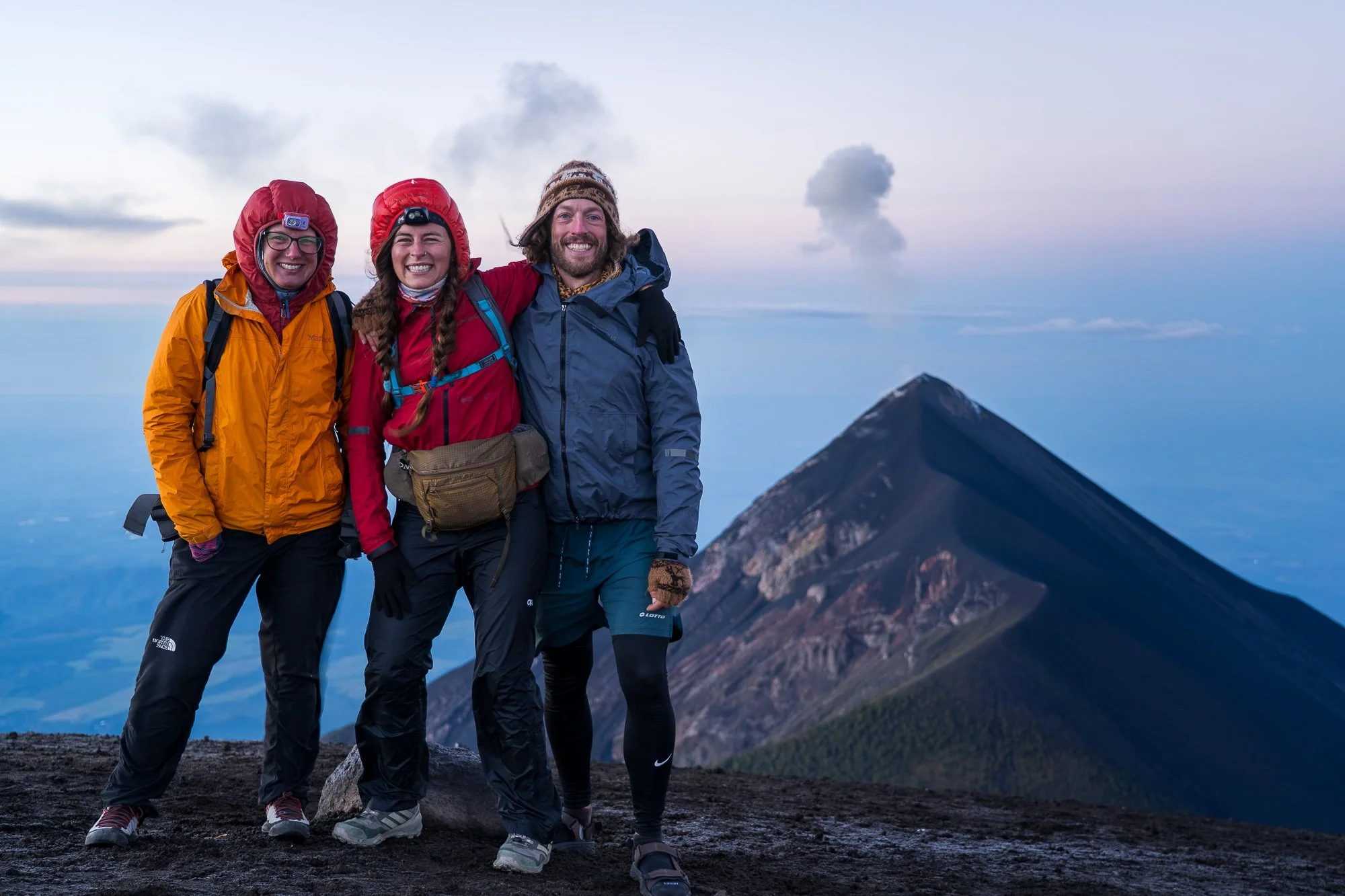
Flash forward 10 years — Ryan and I are together in Antigua, about to climb that very same volcano I had heard so much about. Naturally, I didn’t need much persuasion — the wild stories of finding a path to the top of Acatenango to watch Fuégo erupt sounded like music to my ears!
But the times, they are a-changin’…
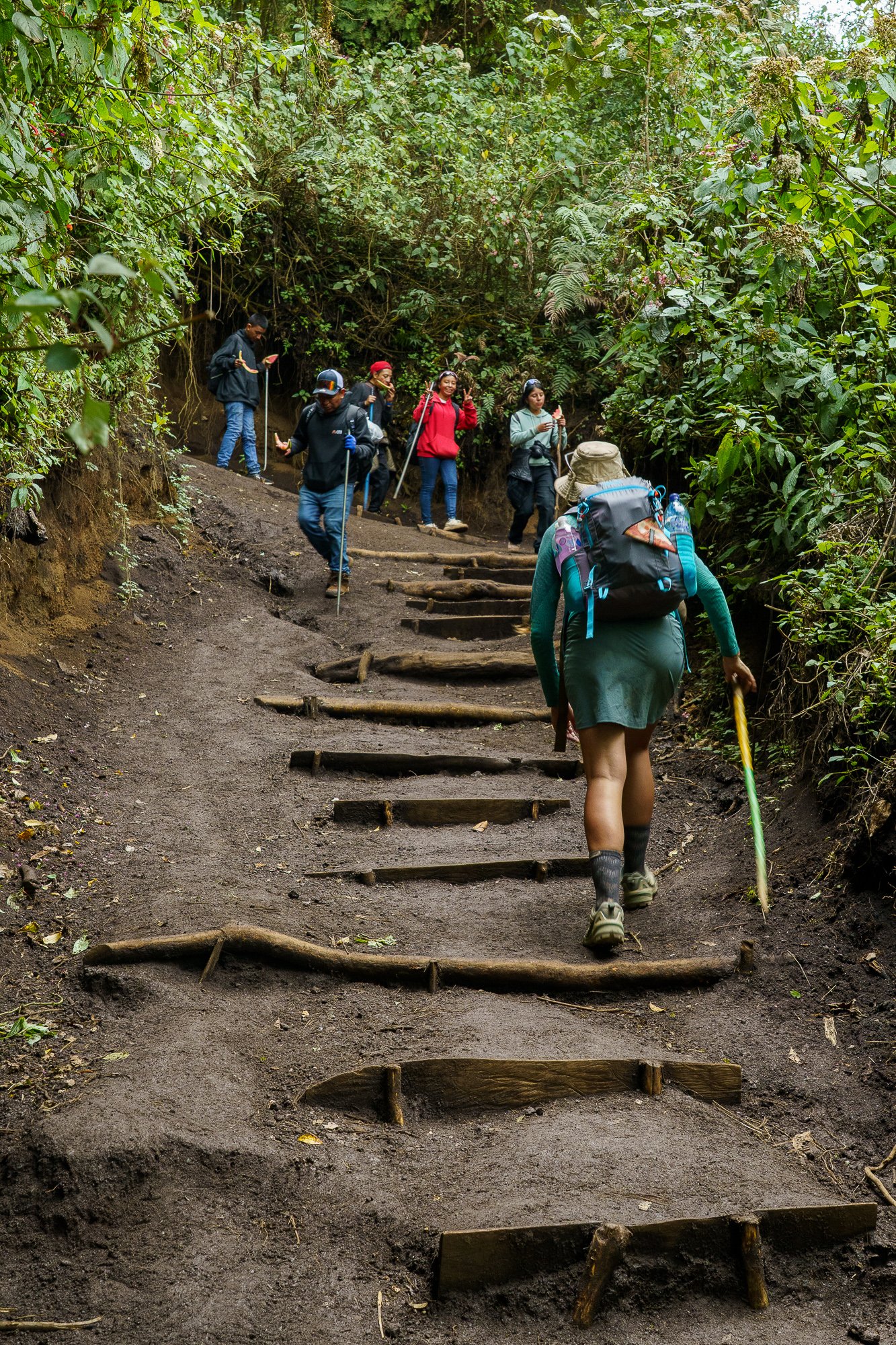
We left our bicycles on a guarded parking lot and started hiking up the mountain, alongside with hundreds and hundreds of fellow tourists. We noticed that we had underestimated the amount of tour groups and the number of peoplein those groups. As independent hikers, we were looking forward to sticking to our own pace and choosing our own breaks — which proved more difficult than we thought. During the first hour, the trail was often quite narrow and as a result, we had to wait in line behind other tour groups before we could move on.
It was so much fun to see many Guatemalan students and families making their way up and down the mountain, carrying blankets and big backpacks. The volcanoes are a national treasure to be proud of! Plus they provide plenty of job opportunities for local guides, food vendors and parking lot owners. There are even two paying stations on the mountain, where you have to pay a municipal fee twice in order to continue the trek. This was new, said Ryan, but hey. Get your dough while you can, right?
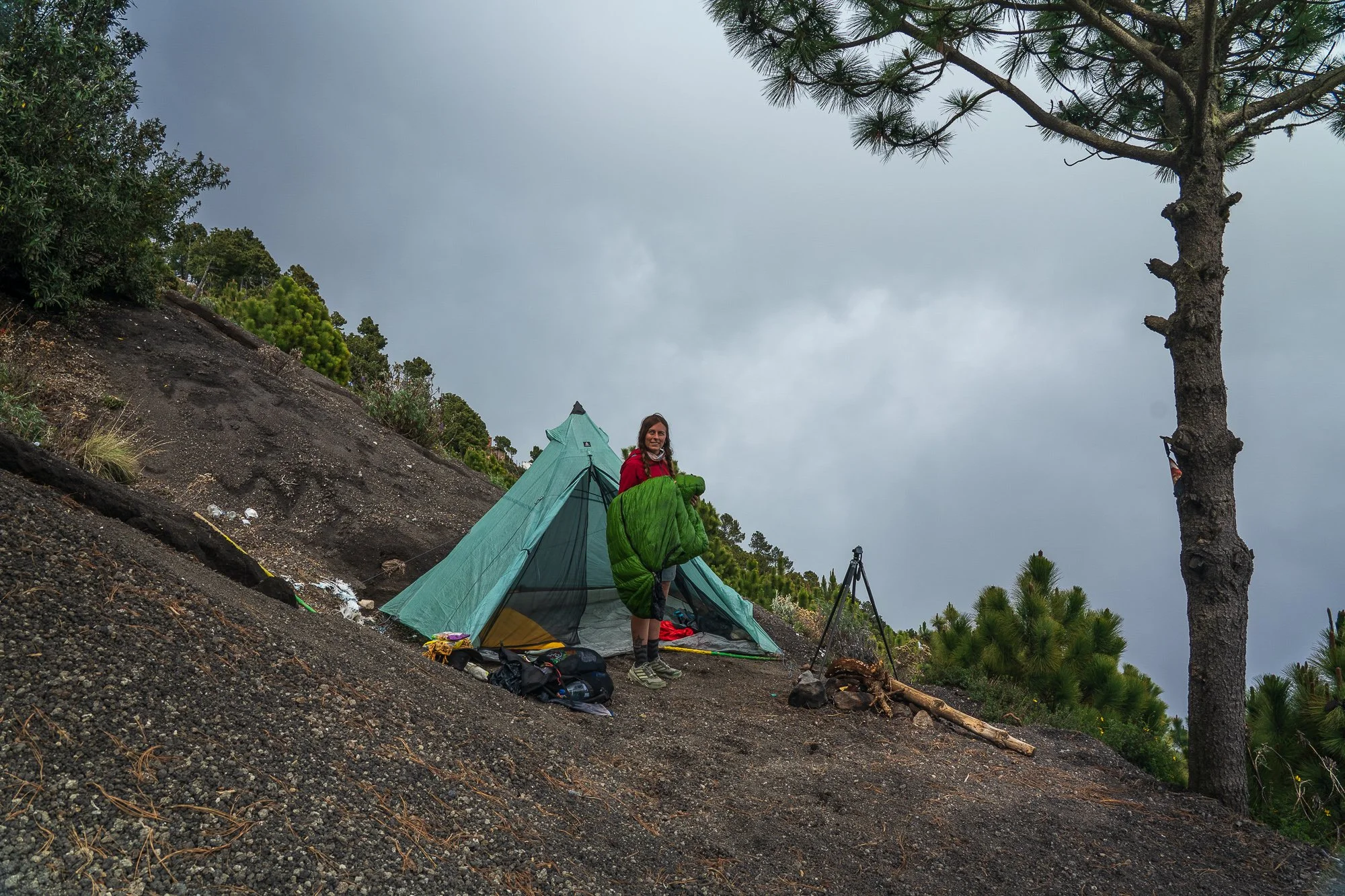
It did feel strange to witness the exponential growth of the tour company base camps — we honestly lost count after passing a dozen or so. Hiking independently and on a tight budget, we had decided to set up our own camp on the mountain, which is allowed and legal. Ryan and I searched the mountain for any flat space left to set up camp.
Spoiler alert: There are barely any left.
One base camp after another has been built over the past decade, complete with cabins for guests and porters, kitchens, bars and bathrooms. In the end, we settled for a tiny spot on what seemed to be a construction site for yet another future camp. Sigh.
I don’t really know if it is fair to point out social media as the sole culprit of this story. Mostly, it’s incredible that so many people are finding their way to this adventurous hike. Heck, aren’t Ryan and I tourists ourselves? We were hiking that mountain too! And it really is true what the many Instagram handles claim: the magical explosions of Fuego are a once-in-a-lifetime experience.
But it makes you wonder… at what cost?
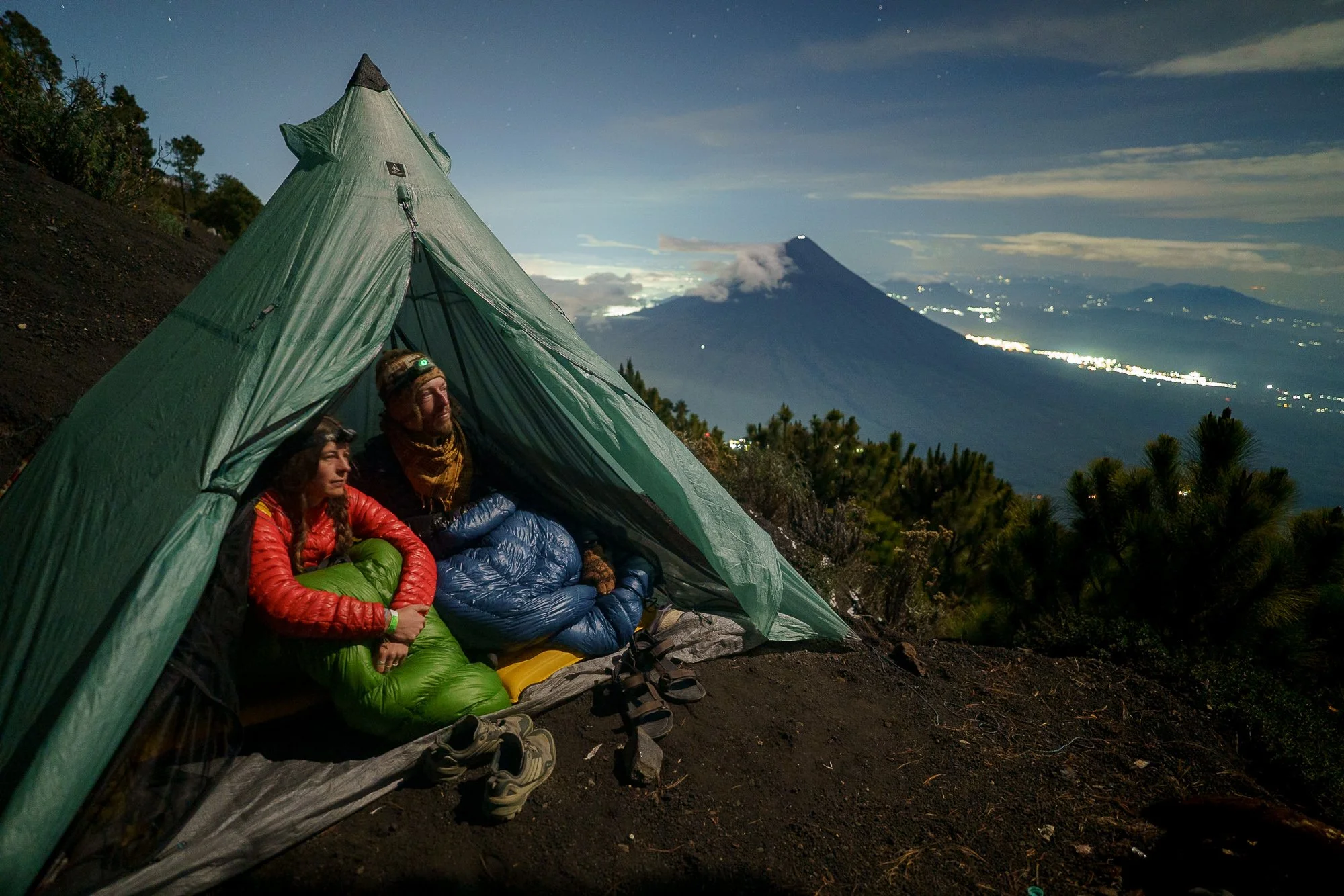
It is a fascinating topic to discuss, with many questions bubbling to the surface. How much can be build on a mountain? How many people can be accommodated in a fragile ecosystem? How many native trees and bushes can be cut down to make way for cabins and large tour groups? Should mountains start limiting tourists to a maximum capacity? Can a permit system help to preserve the magic? Or does that take away opportunities for some?
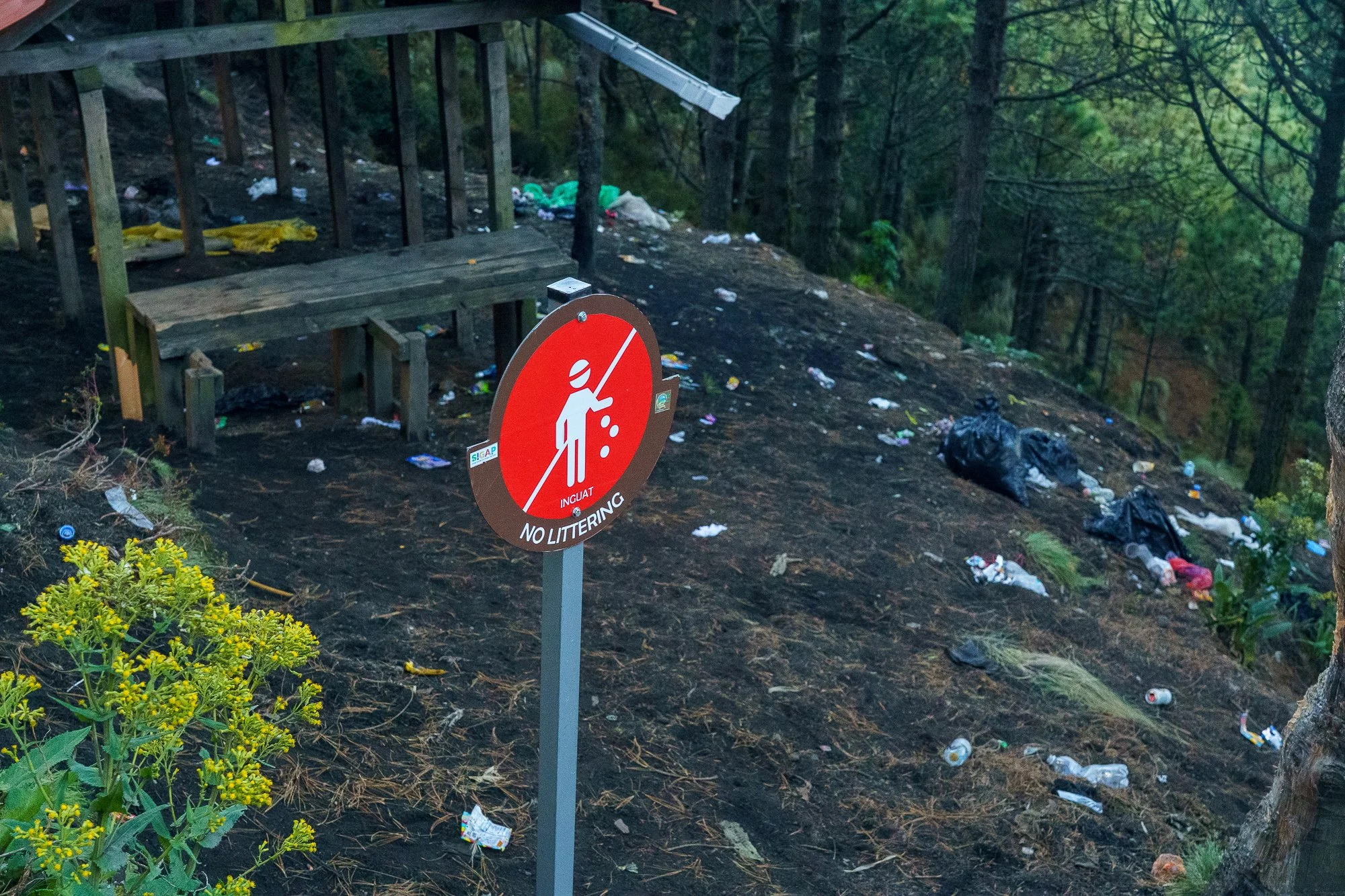
Going down the mountain, we encountered tons of trash littered alongside the trail. We started picking up plastic, but it was too much for Ryan and I to carry. During our travels in South and Central America, we’ve learned to put our environmental concerns in a drawer and close it for the time being. However, seeing this beautiful and rugged terrain covered in beer bottles, plastic wrappers and cigarette butts… It hurt.
Hear me out… I don’t want to be a party pooper!
If you are ever fortunate enough to visit Antigua and have the chance to watch Fuego for yourselves — go and grab it! It’s worth all the attention it gets and it genuinely is one of the coolest things Ryan and I have ever witnessed. And yes, we will probably post about it on social media as well, because that is what you do, amiright? There’s something magical about seeing the nightly eruptions with your own eyes and hearing the thunderous lava rain rumble down the slopes of the volcano. It’s worth every single penny and every effort it takes to get there.
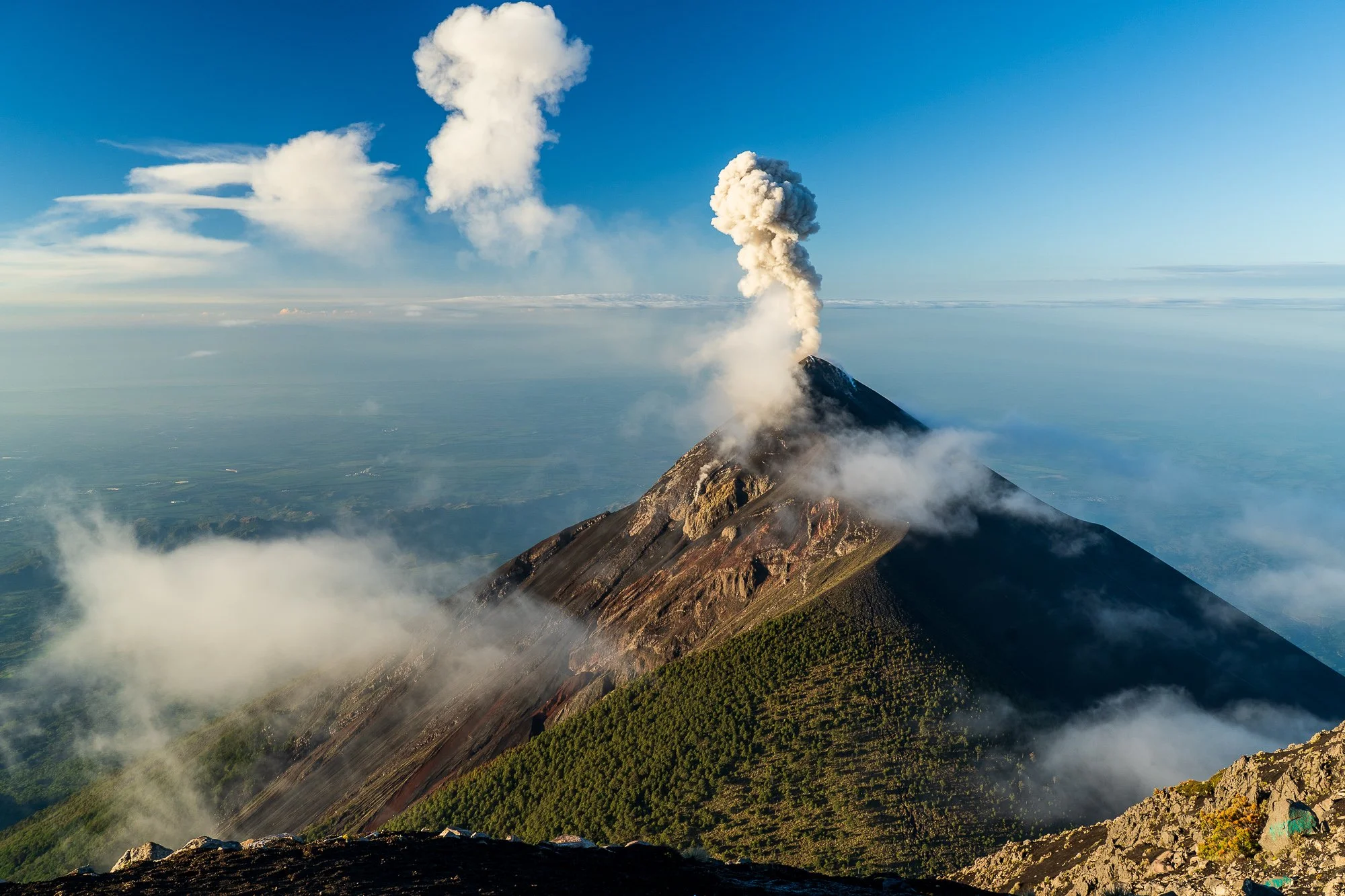
But, just like with many other places in the world, I hope there can be some reflection on the consequences of mass tourism on a place that deserves to be protected. Nature gives and gives, and we continue to take and take. We hope that the fees we paid go to local communities, trail maintenance and clean-up crews. We hope that everyone visiting Acatenango and Fuégo takes a minute to realise the impacts of our footsteps and our presence on the land.
And we especially hope thatmany future generations of national and international visitors can continue to experience the wonders of these volcanoes. It is worth protecting.